
Venezuelans navigate uncertain future as US forces detain Maduro in 2025 transition

Venezuelans navigate uncertain future as US forces detain Maduro in 2025 transition
Caracas wakes to a new reality this week following the dramatic intervention by US forces leading to the apprehension of Venezuelan leader Nicolás Maduro. The unexpected development has plunged the nation into a period of profound uncertainty, leaving citizens to grapple with the immediate aftermath and the complex path ahead.

Across cities and towns, reactions are deeply divided, ranging from cautious optimism to apprehension regarding the future of the oil-rich nation. The abrupt shift in political leadership marks a significant turning point, ending an era of sustained tension and international isolation.
Experts and ordinary Venezuelans alike are now contemplating the practical implications of this unforeseen change, particularly concerning economic stability, social cohesion, and the potential for democratic reform in 2025. The coming months are expected to shape the trajectory of a country long embroiled in political and economic strife.
Public sentiment shifts
Initial public sentiment displays a complex tapestry of emotions, as many Venezuelans cautiously welcome the prospect of change while remaining wary of immediate stability. Discussions on the streets of Caracas highlight a yearning for improved living conditions and a return to normalcy.
The widespread sentiment suggests a collective fatigue from years of economic hardship and political polarization. Citizens express hope for a future where basic services are reliable and opportunities for economic growth become accessible once more.
Economic ramifications emerge
The immediate economic ramifications of Maduro’s detention are a primary concern for many citizens and international observers. Venezuela’s economy has endured years of hyperinflation and contraction, leaving it in a fragile state.
Analysts suggest that a transitional government will face immense pressure to stabilize the currency, control inflation, and attract foreign investment to rebuild the nation’s infrastructure. The country’s vast oil reserves are central to any recovery strategy, requiring transparent management and international cooperation to unlock their full potential.
Establishing robust legal frameworks and ensuring property rights will be crucial steps in encouraging economic activity. The re-engagement with global financial institutions will also be vital for securing necessary aid and long-term development funds.
Political vacuum and leadership bids
The apprehension of Nicolás Maduro creates an immediate political vacuum, initiating a complex scramble for power and the establishment of an interim government. Various opposition figures and international bodies are now maneuvering to shape the country’s next political phase.
Discussions among political factions are intensifying as they seek to form a unified transitional administration capable of guiding Venezuela toward free and fair elections. The challenge lies in overcoming historical divisions and building a consensus for a truly inclusive political process.
International powers have begun to express their positions on the legitimacy of any new leadership, emphasizing the need for a peaceful and constitutional transfer of authority. The global community’s support will be critical for the recognition and stability of an interim government.
The Venezuelan military’s role in this transition remains a significant factor, with analysts closely watching for any declarations or actions that could influence the balance of power. Their cooperation is often considered essential for ensuring a smooth and orderly transition.
Humanitarian concerns persist
Despite the significant political shift, humanitarian concerns within Venezuela persist, requiring urgent attention from both domestic and international actors. Millions of Venezuelans still face challenges related to food security, access to healthcare, and educational opportunities.
Efforts to address the immediate needs of vulnerable populations will be paramount for any new administration. This includes ensuring the unimpeded delivery of humanitarian aid and implementing comprehensive programs to alleviate widespread poverty and malnutrition. Reversing the substantial migration flows from the country will depend heavily on improving living standards.
Regional and global reactions surface
Regional leaders and international organizations have swiftly reacted to the news of Maduro’s apprehension, with responses varying from outright support for a democratic transition to calls for caution and respect for sovereignty. The event has sent ripples across the geopolitical landscape.
Many Latin American nations are closely monitoring developments, aware of the potential for both regional stability and increased migratory pressures. The United States and European allies have largely reiterated their commitment to supporting a democratic future for Venezuela, aligning with their long-standing policy objectives.
Path to recovery and stability
Charting a path toward recovery and long-term stability will be a monumental task for Venezuela. The challenges extend beyond political leadership to fundamental institutional reforms and societal healing.
A new government must prioritize rebuilding public trust, strengthening democratic institutions, and fostering reconciliation among deeply divided factions within the populace. This will require sustained effort and a commitment to transparency and accountability.
Citizens voice their expectations
Venezuelan citizens are vocal about their expectations for the future, demanding tangible improvements in their daily lives. They hope for an end to economic hardship and the restoration of a vibrant democracy where their voices are heard and respected.
Venezuela, Maduro, future, transition, US forces, political change, economic recovery, humanitarian crisis
Veja Tambem em Últimas Notícias

Government expenditure on CFMEU administrator security reaches $3.8m, Minister Watt also protected

Governo federal reforça programa de transferência de renda com novas diretrizes para famílias
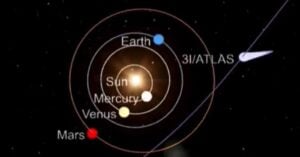
NASA desvenda segredos do cometa interestelar 3I/Atlas, fascinando a comunidade científica
Myanmar president’s india visit bolsters diplomatic ties amid isolation challenges
Deadly Russian missile and drone attacks hit Kyiv and Dnipro, claiming at least 10 lives
Unearthing pirate legends: Nassau harbor shipwrecks reveal musket balls and burnt hulls
Novo ciclo do Bolsa Família em 2026 detalha regras e benefícios complementares aos cidadãos
ニューメキシコ州国有林でロスアラモス研究所職員の遺体確認、拳銃も発見され捜査進む

NASA aprofunda estudos sobre o Cometa Interestelar 3I/Atlas e sua trajetória singular
Beijing intensifies scrutiny of phantom kitchens, tackling fierce food delivery platform competition
Pressure from Trump leads Israel to pause potential Beirut attack, aiding Iran diplomacy