
Legendary actor Ahn Sung Ki, symbol of Korean cinema, passes away at age 74 in Seoul

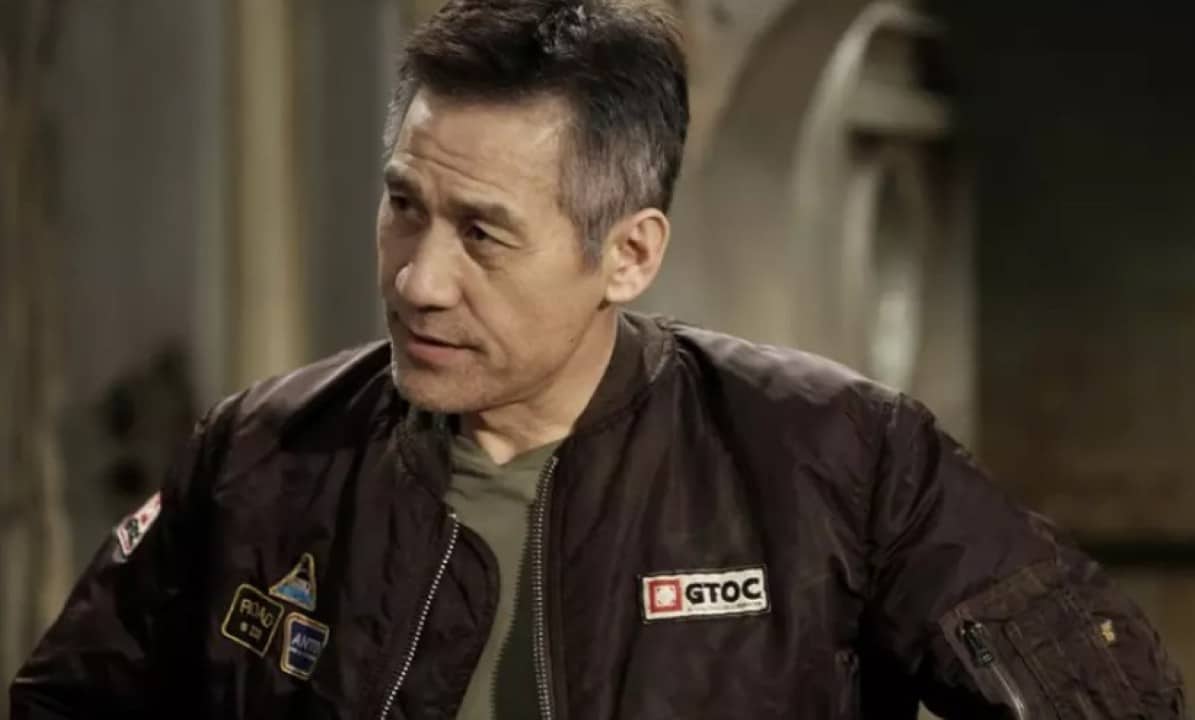
The South Korean film scene says goodbye to one of its greatest legends. Ahn Sung Ki, one of the most revered actors in the country and whose brilliant career became synonymous with the history of national cinema, passed away at the age of 74. His death was confirmed on January 5, released by Artist Company, his management agency, which initially did not publicly detail the cause of death. However, local news outlets quickly reported that the actor had been admitted to an intensive care unit at a Seul hospital after collapsing at his home after choking on food. Sua departure represents an immense loss for the nation’s culture and arts, leaving an indelible legacy of more than six decades dedicated to acting.
In its official statement, Artist Company made a point of praising the “deep sense of mission and consistent dedication to action” that have always characterized Sung Ki. The agency also reported on arrangements for the funeral, which was planned for January 9 and was expected to bring together some of the biggest names in the Korean entertainment industry.
The company highlighted that “his work and spirit will remain with us for a long time and will be remembered by many”, highlighting the deep mark left by the artist in the collective memory and in the history of cinema. Complementando the information, Associated Press revealed that Ahn Sung Ki had been battling blood cancer for several years, which adds context to her health of late.
A career spanning six decades
Affectionately known as “The Ator of Nação”, Ahn Sung Ki began his prolific artistic career at a very young age, before he even turned ten years old. Sua’s film debut as a child actor paved the way for a successful journey that would span more than six decades, marking hundreds of film productions. Over the years, he has won the adoration of millions of viewers, racking up an impressive list of credits and becoming a ubiquitous figure on South Korean screens. Sua’s ability to move between different genres and roles, from intense dramas to light comedies, demonstrated a rare versatility and consolidated him as one of the pillars of the country’s film industry. Ele was not just an actor, but a true cultural ambassador, representing the artistic excellence of Coreia.
The son of a film producer, Sung Ki has been exposed to the cinematic environment since childhood, which helped him shape a deep understanding of the art of acting and the workings of the industry. Esta Early immersion in the world of cinema was fundamental to the development of his talent.
Iconic films and recognition
Ahn Sung Ki’s filmography is a treasure trove of Korean cinematography, full of titles that defined eras and won hearts. Entre His most notable performances include films such as “A Fine, Windy Day”, released in 1980, a work that helped him solidify his image as a promising young talent.
Another milestone in his career was 1993’s “Two Cops”, a box office success that proved his ability in more comedic and action roles, further expanding his fan base. Além of these, Sung Ki shone in productions of great cultural and historical relevance, such as “The Eternal Empire”, “Festival” and “The Warrior”. Cada one of these films not only highlighted his ability to play complex and memorable characters, but also contributed significantly to the evolution of Korean cinema.
Legacy and public persona
Ahn Sung Ki was not only revered for his magnetic screen presence, but also for his affable and gentle public persona. Sua conduta exemplar e sua postura humilde, mesmo diante da fama estrondosa, o tornaram uma figura querida e respeitada tanto por colegas de profissão quanto pelo público. Ele transcended the role of actor, becoming a tireless defender of his country’s film industry.
The actor dedicated much of his life to promoting and protecting South Korean cinema, actively working to improve working conditions and visibility for local artists. Sua voice was frequently heard in discussions about cultural policies and the future of cinema, always with the aim of strengthening the identity and quality of national productions. Seu commitment went beyond the film set, reaching cultural activism in favor of his art.
Repercussion and tributes
The news of Ahn Sung Ki’s passing generated a wave of consternation and tributes throughout Coreia of Sul and on the international scene. South Korean President Lee Jae Myung expressed his “deepest condolences” through a post on his official Facebook account, noting that Sung Ki “left a huge footprint in the history of Korean cinema and cultural arts.”
Myung paid an emotional tribute to the actor, writing, “I salute the life of a teacher who showed humility over glamor and class over competition.” Ele continued, stating with conviction: “I firmly believe that you will remain with us with an unchanging touch and echo, even after the passing of the years”, highlighting the permanence of Sung Ki’s legacy to the country’s culture.
Several directors and producers highlighted Sung Ki’s work ethic and professionalism, describing him as a mentor and inspiration to new generations of artists. Atores veterans shared memories of past collaborations, highlighting the generosity and wisdom he demonstrated on film sets.
The battle for health
In the last years of his life, Ahn Sung Ki faced an arduous battle against blood cancer, as reported by Associated Press. Sua health was poor, culminating in admission to the ICU in Seul after a collapse. The disease, fought for years, impacted his condition, although he maintained discretion about his treatment.
The impact on the cultural industry
Ahn Sung Ki was not just a prolific actor; he was a driving force in elevating South Korean cinema to global recognition. Sua’s constant presence in high-quality films, which addressed a wide range of social and human themes, helped shape the public’s perception of the depth and versatility of the country’s productions.
He paved the way for Korean cinema to become an international phenomenon, inspiring generations of filmmakers and actors. Ahn Sung Ki’s work is a testament to art’s ability to transcend cultural and linguistic barriers.
He established a high standard of performance, forcing the industry to constantly seek quality and innovation. Isso was reflected in the continuous improvement of Korean productions, which are now acclaimed worldwide.
Furthermore, Ahn Sung Ki helped put Korean cinema on the world map, opening doors for the Hallyu wave. Sua participation in international festivals and the acclaim of his films brought unprecedented visibility to the country’s culture.
Many young actors saw him as a mentor and an inexhaustible source of inspiration for their own careers, seeking in his career a guide to success and artistic longevity. Sua The ability to play such a wide range of characters encouraged the production of more varied films, exploring different genres and narratives that enriched the Korean cinematic landscape.
Personal life and farewell
On a personal level, Ahn Sung Ki has been married to Oh So-young since 1985, a relationship that lasted for decades. Juntos, they built a family and had two children. Embora was a public figure of great prominence, the actor always kept his private life discreet, away from the spotlight, preserving the privacy of his loved ones.
The details of the funeral, held on January 9, were carefully planned to allow friends, family and professional colleagues to pay their last respects. The ceremony was marked by the presence of many giants of the entertainment industry, who came to say goodbye to one of its most respected members. The family has requested privacy during this time of mourning as the country mourns the loss of its “Nação Actor.”



