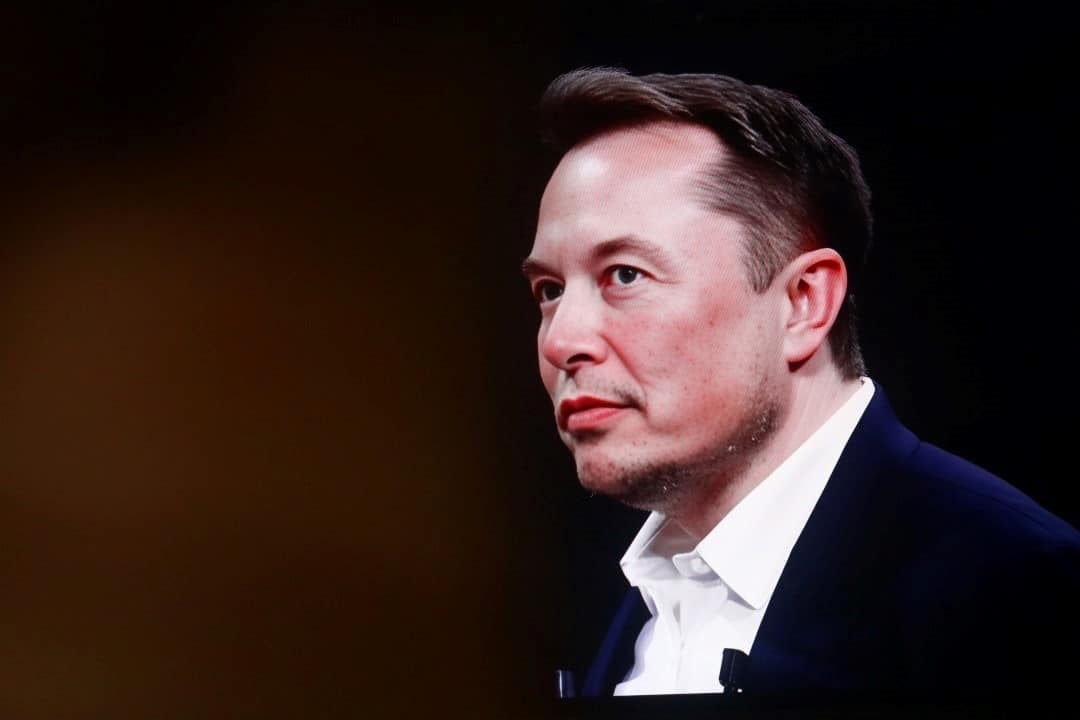
Elon Musk’s social media platform X has significantly limited the image editing capabilities of its Grok AI. This action directly responds to a widespread outcry concerning the generation of sexualized deepfake images by the artificial intelligence tool.
The sudden imposition of these restrictions highlights an escalating global concern regarding the misuse of generative AI technologies. These tools possess the capacity to create highly realistic, yet entirely fabricated, visual content.
This development follows increasing pressure from governmental bodies, particularly the UK government. Regulators like Ofcom have urged X to utilize all available powers, including the potential for an effective ban, to curb the proliferation of harmful content on its service.
Restrictions implemented on Grok AI
The specific limitations imposed on Grok AI’s image editing functionalities target its ability to generate sensitive or inappropriate content. Previously, users could prompt Grok to create images that, in some instances, veered into sexually explicit or non-consensual deepfake territory. This posed a significant ethical and safety challenge for the platform.
Sources close to the company indicate that the adjustments involve stricter content filters and an overhaul of the AI’s underlying training data. The aim is to prevent the generation of objectionable visuals while still allowing for legitimate and creative image manipulation within ethical boundaries.
Escalating concerns over synthetic media abuse
The proliferation of deepfake technology presents complex challenges for digital platforms and regulatory bodies worldwide. These AI-generated images, particularly those of a sexualized nature, can cause profound harm to individuals, infringing on privacy and personal dignity. The ease with which such content can be produced and disseminated raises serious questions about accountability.
Experts in artificial intelligence and ethics have consistently warned about the potential for abuse as AI models become more sophisticated. The current incident involving Grok AI underscores the urgent need for robust safeguards and proactive measures from technology companies. Protecting users from fabricated and harmful content remains a paramount concern across the internet.
Governments globally are grappling with how to regulate rapidly evolving AI technologies effectively. The balance between fostering innovation and preventing harm is delicate, requiring continuous adaptation of policies and enforcement mechanisms.
Government and regulatory pushback intensifies
The UK government’s strong stance, conveyed through Ofcom, underscores a growing global consensus on holding online platforms accountable for content moderation. Ofcom has been granted significant powers under the Online Safety Act, enabling it to demand swift action against illegal and harmful content. Non-compliance could lead to substantial fines or even service restrictions.
Similar regulatory bodies in other regions are also scrutinizing AI-generated content. Legislators are exploring various approaches, from mandating transparency for AI-generated media to imposing direct liabilities on platform providers. The goal is to establish clear responsibilities for companies deploying generative AI tools.
This regulatory climate suggests a future where AI developers and platform operators must embed safety and ethical considerations from the outset. Retroactive measures, while necessary, often follow public outrage, highlighting the need for foresight in product design and deployment. The pressure from these governmental entities is a major factor driving platform policy changes.
X’s operational adjustments to AI content
Musk’s company has publicly stated its commitment to fostering a safe environment while championing free speech. Balancing these principles, especially with advanced AI tools, often proves challenging. The recent restrictions on Grok AI reflect a necessary adaptation to address these complexities head-on.
Engineers at the platform are reportedly working to refine Grok’s algorithms, implementing more sophisticated detection mechanisms for inappropriate content requests. This involves retraining the AI model with diverse datasets that emphasize ethical guidelines and user safety, ensuring that future iterations are less prone to generating harmful imagery.
Addressing the deepfake challenge globally
The issue of deepfakes extends beyond any single platform, representing a pervasive challenge for the entire digital ecosystem. Efforts to combat this type of content require a multi-faceted approach, encompassing technological advancements, robust content policies, user education, and international collaboration among governments and tech companies. Researchers are actively developing new methods for deepfake detection and authentication of genuine media, yet the arms race between creators and detectors continues. Establishing clear legal frameworks for prosecuting those who create and distribute harmful deepfakes is also crucial for deterrence, alongside fostering a culture of digital literacy to help users critically evaluate online content.
Platform responsibility and user trust
Ultimately, the credibility and longevity of platforms offering AI-powered tools depend heavily on their ability to ensure user safety and maintain public trust. Proactive measures, rather than reactive ones, are essential for fostering a responsible AI ecosystem.