
Brazil faces extreme ‘air fryer’ heat and southern cyclone threats in early 2025 weather event

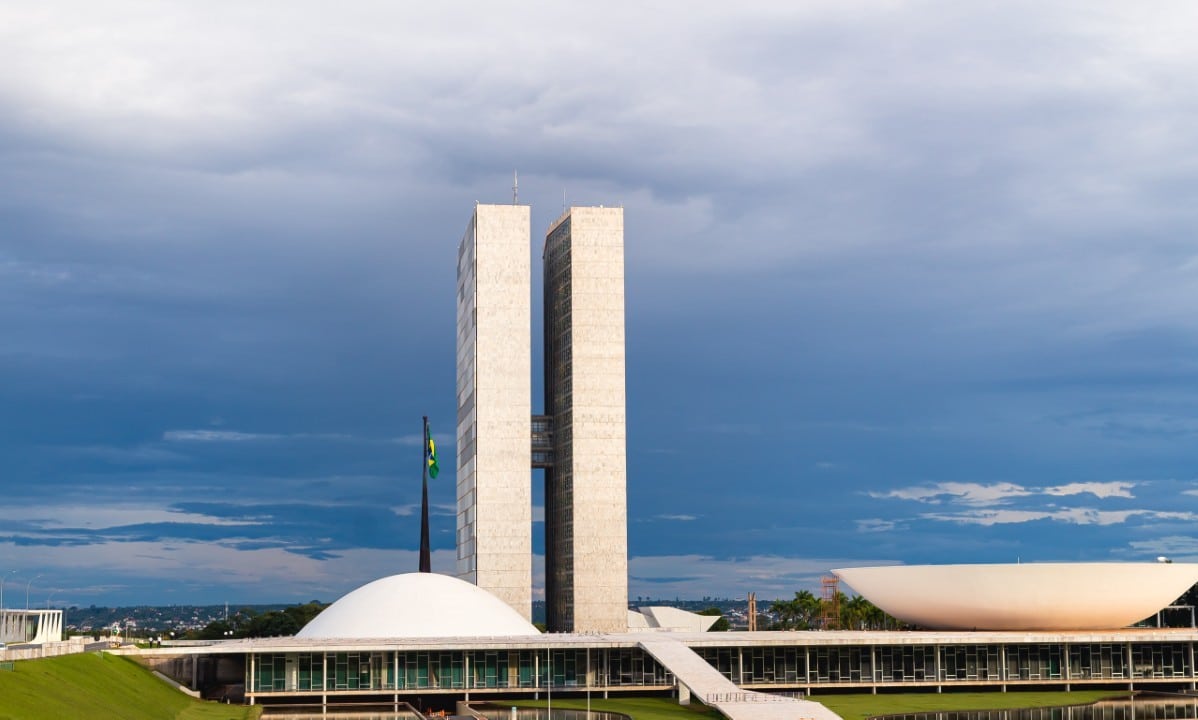
Brazil is preparing for a challenging weather pattern in early 2025, with an upcoming January weekend poised to deliver a stark contrast across its vast territory, demanding urgent public attention and preparedness from authorities and residents alike. While southern states brace for the impact of an extratropical cyclone bringing heavy rains and strong winds, large swaths of the country, particularly the Southeast and Central-West, are projected to experience an intense heatwave, pushing temperatures significantly above historical averages; meteorological forecasts indicate temperatures could soar up to eight degrees Celsius above the historical January average in some areas, creating conditions forecasters have vividly described as feeling “like being inside an air fryer” due to the relentless combination of high heat, minimal cloud cover, and hot winds circulating warm air and intensely amplifying discomfort.
This extreme thermal scenario is expected to make daily life particularly arduous, impacting outdoor activities, public transportation, and overall well-being across densely populated urban centers. The relentless warmth, combined with the lack of precipitation, sets a challenging stage for the upcoming weekend.
Moreover, several key environmental and health indicators are raising alarms:
– High ultraviolet index levels are anticipated, necessitating stringent sun protection.
– Alerts for critically low air humidity are active in specific regions, especially inland.
Widespread heatwave impacts central regions
An unusually intense heatwave is forecast to settle over extensive areas of Brazil during an upcoming January weekend in 2025, primarily affecting the Central-West and Southeast regions. This atmospheric event is expected to elevate temperatures significantly, with several key cities predicted to register maximums well into the 30s degrees Celsius, deviating substantially from typical seasonal averages for this period. Residents in these areas should prepare for prolonged periods of extreme warmth.
The primary driver behind this severe thermal scenario is a persistent high-pressure atmospheric system anchored over the Southeast. This system plays a crucial role in preventing the development of rain-bearing clouds, resulting in expansive clear skies and a marked reduction in precipitation across central Brazil. This lack of cloud cover and rainfall allows for intensified solar radiation and efficient heat retention, further exacerbating the high temperatures.
Health risks and urgent safety recommendations
The convergence of extreme heat and warm, circulating winds, creating the described “air fryer” sensation, raises significant public health concerns across the affected Brazilian regions. Authorities are actively emphasizing the critical importance of implementing preventative measures to mitigate the heightened risks associated with heatstroke, severe dehydration, and other heat-related illnesses that can quickly escalate in such conditions. Public awareness regarding these dangers is crucial.
Simultaneously, alerts for critically low air humidity have been issued, particularly targeting the interior sections of the Northeast and Southeast. This dual threat of intensely dry air combined with soaring temperatures presents compounded health risks, notably aggravating existing respiratory conditions and substantially increasing the potential for wildfires in already vulnerable ecosystems and forested areas.
Health experts strongly advise individuals to maintain consistent and high levels of hydration throughout the entire day, proactively seek shade during all outdoor activities, and rigorously avoid any prolonged direct exposure to the sun, especially during the peak hours of ultraviolet radiation between 10 AM and 4 PM. Furthermore, the diligent application of high-factor sun protection is considered indispensable to prevent severe skin damage from the projected extreme ultraviolet index levels, safeguarding public well-being.
Major cities brace for record-breaking temperatures
The capital of Rio de Janeiro is forecast to reach blistering maximums potentially as high as 38°C or 39°C over the upcoming weekend in January 2025. This prediction represents a substantial deviation from its historical average of 31°C for the month of January, highlighting the exceptional nature of the impending heatwave for this iconic coastal city.
São Paulo is also expected to endure significantly elevated temperatures, with meteorological predictions indicating highs that could reach up to 33°C. This specific forecast signifies a notable increase of five degrees above the city’s average for this particular period, impacting millions of residents and daily commuters within the sprawling metropolitan area.
Across other significant urban centers, a widespread “festival of 30-plus degrees” is anticipated, reflecting a national pattern of intense heat. Belo Horizonte and Fortaleza are both projected to experience maximum temperatures around 31°C, while Manaus, despite its typically humid Amazonian climate, will contend with highs of approximately 33°C, underscoring the broad reach of this heat event.
The Central-West region is expected to register some of the country’s highest temperatures, with Campo Grande and Cuiabá potentially soaring to 35°C and 36°C, respectively, challenging residents’ resilience. Northeastern capitals such as Teresina are slated to be among the hottest locations, with specific forecasts indicating a maximum temperature of 39°C, pushing the limits of human comfort and endurance across the urban landscape.
Southern Brazil confronts extratropical cyclone impact
Conversely, Brazil’s southern states are confronting an entirely distinct, yet equally severe, meteorological phenomenon: an extratropical cyclone. This powerful weather system is already exerting its influence over parts of Rio Grande do Sul, bringing intense downpours and strong winds, which signals a weekend of considerable atmospheric instability and potential disruption across the entire region. The cyclone’s central low-pressure area is projected to move towards the Atlantic Ocean over the upcoming weekend, thereby extending its formidable influence and ushering in substantial rainfall to a broader geographic area within the southern cone.
The continuous rainfall and unsettled conditions are expected to persist unremittingly throughout both Saturday and Sunday, profoundly affecting all three southern states with their intensity. Areas situated further north, including the interior of São Paulo and Mato Grosso do Sul, are also within the projected path of these significant disturbances. Major urban centers such as Florianópolis, Porto Alegre, and Curitiba are identified as particularly vulnerable to these intense weather events, despite maximum temperatures in these cities remaining relatively elevated, hovering between 29°C and 31°C, adding another layer of complexity to the region’s weather.
Dual weather systems intensify national thermal experience
Beyond the immediate concerns of heavy precipitation and high temperatures, the passage of the extratropical cyclone is predicted to generate considerable wind speeds across specific regions, with gusts potentially reaching up to 100 km/h in isolated areas, and sustained winds around 50 km/h becoming widespread. This significant wind activity poses risks of structural damage and power outages in the South, while concurrently playing a pivotal role in intensifying the perceived thermal sensations across other parts of the country. For example, in segments of São Paulo, including its capital, the combination of these strong winds with the prevailing heatwave is expected to amplify the “air fryer” effect, creating a heightened sensation of hot air being forcefully circulated. This phenomenon makes already high temperatures feel significantly more oppressive and uncomfortable for the vast number of residents, illustrating how two divergent weather systems can paradoxically converge to create a uniquely challenging and complex meteorological landscape across the nation.
Authorities urge vigilance and preparedness
As Brazil navigates these complex and extreme weather conditions, federal and local authorities are maintaining heightened vigilance and actively coordinating emergency responses across all affected states. Public awareness campaigns are continuously underway, advising citizens on essential safety protocols and urging them to stay informed through official meteorological updates disseminated regularly throughout the upcoming weekend in January 2025. These proactive measures aim to minimize risks and ensure public safety amidst the challenging forecast.





