
CKM Syndrome Affects Nearly 90% of US Adults with Low Public Awareness of Integrated Risks

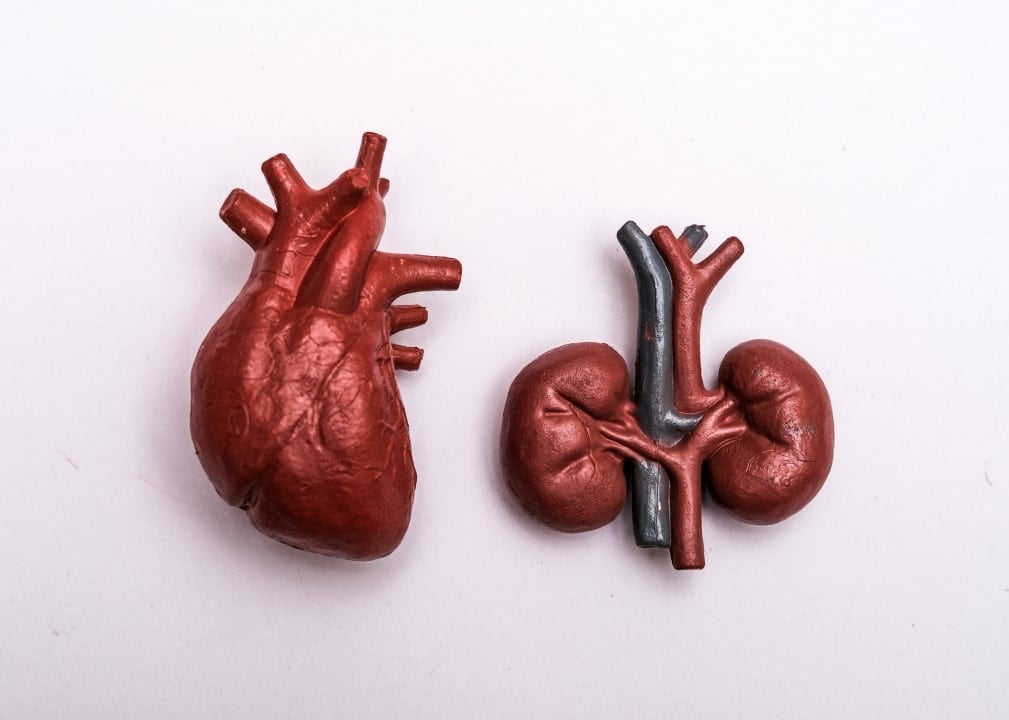
Cardiovascular-renal-metabolic syndrome (CKM) represents a health condition that integrates heart, kidney and metabolic problems in a high-risk cycle. Recent Estudos indicate that almost 90% of adults in the Estados Unidos have at least one risk factor associated with this syndrome. Esses factors include high blood pressure, abnormal cholesterol levels, high blood sugar, excess weight and reduced kidney function. Quando these elements overlap, the risk of serious events such as heart attack, stroke and heart failure increases significantly compared to the isolated occurrence of each problem.
Low familiarity with the term CKM persists despite the condition’s high prevalence. A survey carried out with around 4 thousand adults showed that only 12% had ever heard of the syndrome. However, after an explanation of the connections between the systems involved, 79% of those interviewed recognized the importance of better understanding the topic. Além In addition, 72% expressed interest in obtaining more information about diagnosis and treatment.
Connections between heart, kidneys and metabolism
The cardiac, renal and metabolic systems depend on each other to function properly. Metabolism transforms blood glucose into energy, generating waste that the kidneys filter. Essa filtration helps regulate blood pressure, which in turn influences the work of the heart. Quando one of these components faces difficulties, the imbalance spreads, creating a harmful cycle that increases the risk of developing CKM syndrome.
Experts highlight that changes to one system overload the others over time. Essa integrated interaction explains why separate management of conditions often results in less effective results. The coordinated approach allows for earlier and more effective interventions.

Awareness Survey Results
Most participants expressed a desire to know more about treatment and diagnosis of CKM syndrome. Cerca of 72% showed specific interest in these aspects. At the same time, 68% believed that health conditions should be managed individually or were unable to indicate the best strategy.
Forty-two percent of respondents thought that a healthy heart would not be affected by dysfunction in other organs or were uncertain about this. Esses data point to gaps in understanding the interdependencies between body systems.
Initiatives to increase knowledge and prevention
American Heart Association developed educational tools and an online hub to explain the links between heart, kidney and metabolic health. Esses materials aim to help people take initial steps to reduce the risk of heart attack, heart failure or stroke. The entity also collaborates with healthcare teams across the country to promote cooperation between professionals who care for patients with multiple chronic conditions.
How to understand CKM health in a simple way
A recent educational video presents basic concepts about the integrated functioning of these systems. Ele explains that the heart pumps blood around the body, metabolism converts glucose into energy, and the kidneys filter waste, helping to maintain blood pressure balance. Essas steps form a complete cycle that influences overall health.
Maintaining regular checks of blood pressure, cholesterol, weight, blood glucose and kidney function contributes to CKM health care. Mudanças in lifestyle, such as adequate eating habits and physical activity, associated with medical treatments when necessary, can reverse or control many risk factors.
Guidelines for early action
Healthcare professionals have additional resources to improve interdisciplinary care. The CKM health initiative provides support for teams seeking to integrate preventative and therapeutic approaches. The focus remains on early detection and coordination across specialties.
The expectation is that specific clinical guidelines on CKM syndrome will be published soon, reinforcing recommendations for integrated management.



