
Genetic advance reveals possible fragments of Leonardo da Vinci’s DNA in historical works

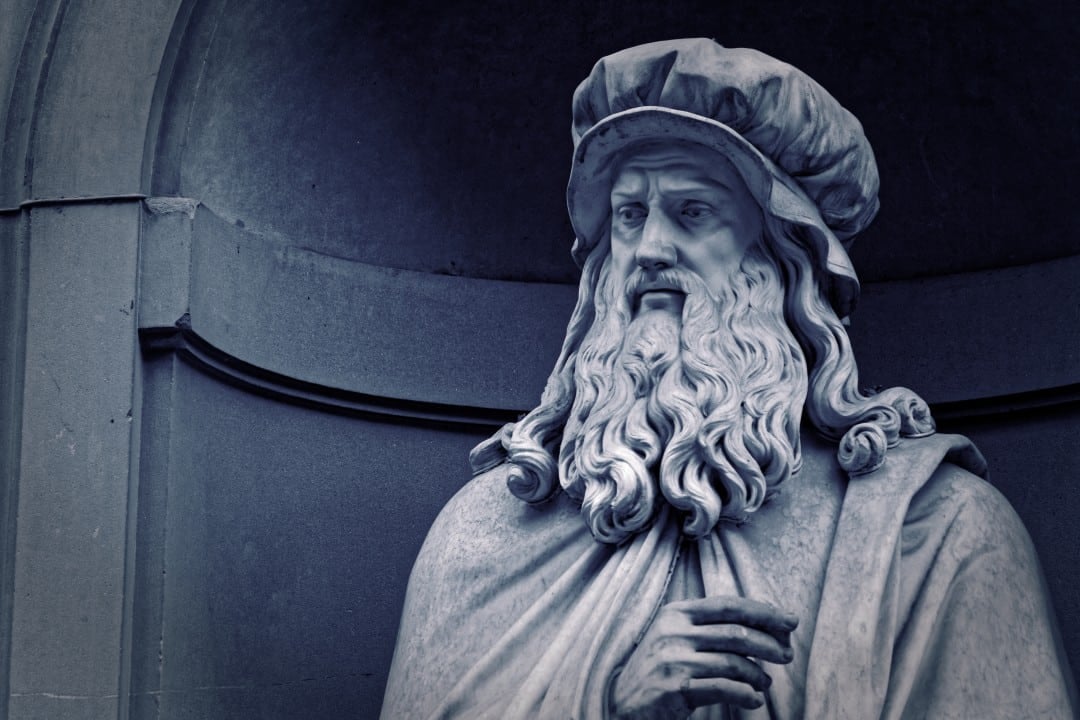
Leonardo researchers from Vinci DNA Project have announced significant progress in the search for the Renaissance artist’s genetic material. Eles analyzed samples collected from a red chalk drawing attributed to Leonardo from Vinci and from letters associated with her family. The results indicate the presence of Y chromosome sequences compatible with the Italian painter’s family lineage.
The study, recently published in preliminary form, used advanced metagenomics techniques to extract and sequence DNA from the porous surfaces of historical artifacts. Essas approaches have made it possible to identify human genetic markers among a large amount of non-human biological material accumulated over the centuries.
The analysis focused on traces that could have been left by direct handling of the objects. Scientists emphasize that the findings represent an important, although still preliminary, step towards reconstructing the genetic profile of one of the most influential figures in the history of art and science.
Methods used in sample collection
The researchers adopted minimally invasive procedures to preserve the integrity of the works. Eles used soft swabs to collect particles from the surface of the drawing known as Holy Child, produced around the 1470s.
The same technique was applied to 15th century letters belonging to relatives of Leonardo and Vinci. Essas correspondence contained wax seals that were probably pressed with fingers, preserving possible biological traces.
Shotgun sequencing made it possible to read all the genetic material present in the samples at once. Essa methodology revealed a complex mixture of DNA from diverse origins, including bacteria, fungi and plants characteristic of the Renaissance era.
The data was compared with extensive gene banks to identify specific human patterns. The combined approach demonstrated feasibility for future studies in cultural heritage.
Y chromosome markers identified
The recovered human sequences belong to haplogroup E1b1b, common in regions of Toscana where Leonardo of Vinci was born in 1452. Esse marker is transmitted almost unchanged through the paternal line over generations.
The correspondence between the fragments found in the drawing and the letters suggests origin from the same family lineage. The researchers observed the absence of this sign in works by other European artists from the same period analyzed for comparison.
These results strengthen the hypothesis that part of the genetic material may have been deposited by Leonardo himself or by close members of his family. The consistency of the markers reinforces the biological connection with the artist’s region of origin.
Biological composition of the analyzed surfaces
Most of the extracted DNA, around 99%, comes from microorganisms accumulated over time. Entre they include bacteria and fungi typical of historical storage environments.
Sequences associated with plants cultivated in the Italian gardens of Renascimento, such as sweet orange trees, were detected. Esses remains reflect the environmental context of Toscana and Florença during the period in which Leonardo lived.
Fragments of endemic parasites in the region also appeared, including Plasmodium, related to the malaria that affected populations at the time. Essa composition forms a biological record of the history of handling and conservation of objects.
The diverse presence of non-human material illustrates how porous artifacts function as environmental archives. The observed patterns help to contextualize the temporal and geographic origin of the works examined.
Drawing Holy Child and its assignment
The analyzed drawing belonged to a private collection and was authorized for study before the death of its owner. Especialistas debate its authorship, with some attributing it directly to Leonardo of Vinci and others suggesting production by a student in his studio.
Technical characteristics, such as left-hand strokes, aligned with the artist’s known style, support the hypothesis of main authorship. Collection took place in 2024, following protocols that minimize risks to the integrity of the work.
The genetic traces found add a new layer of evidence to the debate about provenance. Comparações future designs with other designs may clarify characteristic handling patterns.
The analysis of Holy Child serves as a proof of concept for the application of genetics in artistic authentication. Similar Resultados across multiple artifacts would reinforce conclusions about authorship.
Family letters and preservation of traces
The letters examined circulated among descendants of the Da Vinci family and contained wax seals possibly marked by fingerprints. Esse sealing method was common in the 15th century and favored the deposition of epithelial cells.
The preservation of DNA in old paper depends on the porosity of the material, which absorbs sweat and skin particles. The researchers identified consistent human sequences between different documents from the same lineage.
Direct comparison between the drawing and the letters revealed coincidence in the Y chromosome markers. Essa overlap indicates common origin in the artist’s documented family tree.
The use of family matches circumvents the absence of direct descendants of Leonardo. The strategy takes advantage of the stability of the Y chromosome to trace patrilineal connections.
Current limitations of the results
The authors emphasize that the findings remain preliminary and require additional validation. Contamination due to handling after the Renaissance period represents a constant challenge in ancient DNA analyses.
The absence of confirmed remains of Leonardo from Vinci prevents definitive direct comparison. The burial site at Amboise, França, suffered historical damage that scattered possible bones.
Even with compatible markers, absolute attribution depends on multiple and cross-sampling. Especialistas external parties recognize the methodological advance, but ask for caution in interpretations.
The complexity of the recovered material reflects centuries of environmental exposure. Separar original signs of subsequent contamination require continuous refinement of techniques.
Future applications in heritage science
The methodology developed paves the way for investigations into other Renaissance works. Museus and private collections may authorize similar analyzes to clarify questions of authenticity.
The combination of metagenomics with human markers establishes a reproducible protocol. Esse workflow assists conservators in understanding biological degradation of artifacts.
Additional research could integrate data from living descendants of the paternal line identified in previous genealogical studies. Comparações expanded strengthen hypotheses about specific genetic traits.
- Authentication of origin using biological signatures
- Handling history tracking
- Identification of microbiological risks for conservation
- Environmental contextualization of historical works
Next steps of the research project
Scientists plan to request access to more drawings and documents associated with Leonardo from Vinci. Additional Autorizações will allow us to expand the sample bank for robust comparisons.
Integration with family tomb data in Toscana represents a priority. Escavações controlled companies can provide bone material for direct reference.
The ultimate goal includes partial reconstruction of the artist’s genome to explore physical and cognitive characteristics. Informações about vision, health and genetic predispositions could illuminate aspects of your creative production.
International collaboration between geneticists, art historians and conservators remains essential. The project demonstrates how modern tools reveal hidden layers of cultural history.
The interdisciplinary approach sets precedent for genetic studies on historical figures without preserved remains. Avanços continuous technologies increase the precision of recoveries in old materials.



