Willian is chosen as Arsenal’s worst reinforcement in a ranking of 49 players according to the British newspaper

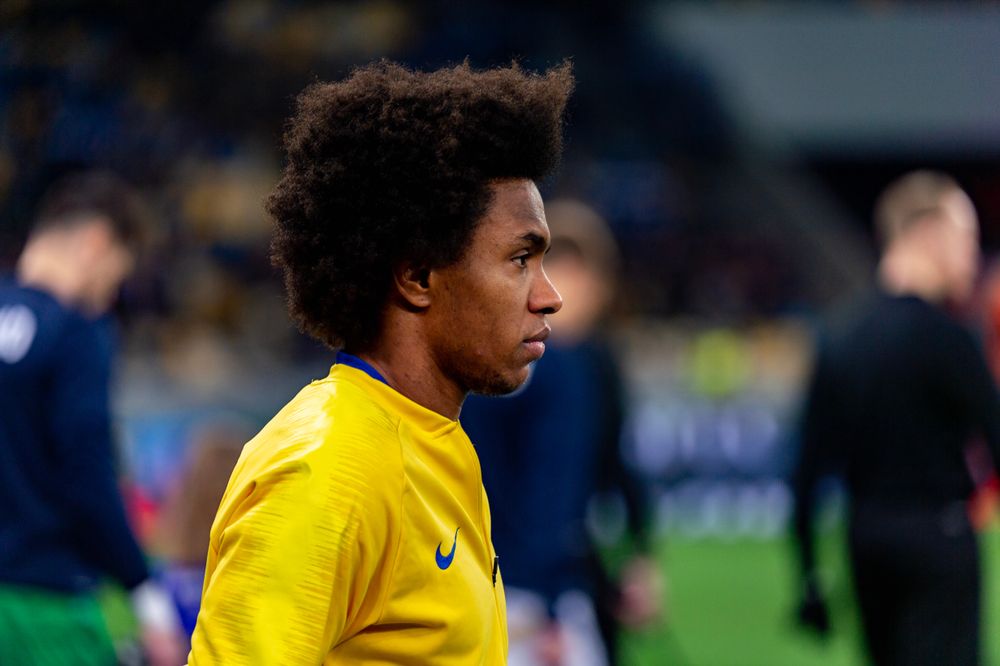
A detailed analysis carried out by the British press on the 49 signings of Arsenal in the last eight years, a period following the departure of iconic coach Arsène Wenger, positioned Brazilian midfielder Willian as the club’s worst investment. The survey, which evaluates cost-benefit, performance and expectations, concluded that the player’s time at Emirates Stadium was the most disappointing among all the athletes who reached the London team in that period of time.
Willian, who currently defends Olympiacos, arrived at Arsenal in 2020 from rival Chelsea, with star status and a financially advantageous contract. However, his performance on the field did not match the investment. The evaluation highlights that the lack of technical impact and the drop in yield were decisive for its negative rating, surpassing other businesses considered problematic by the Gunners board.
The midfielder’s tenure lasted just one season, between 2020 and 2021, in which he participated in 37 official matches, scoring just one goal and providing seven assists. The numbers were considered far below expectations for a player of his experience and salary, culminating in an amicable termination that allowed him to return to Brasil to play for Corinthians before returning to Europa.
The contrast with the success of other Brazilians
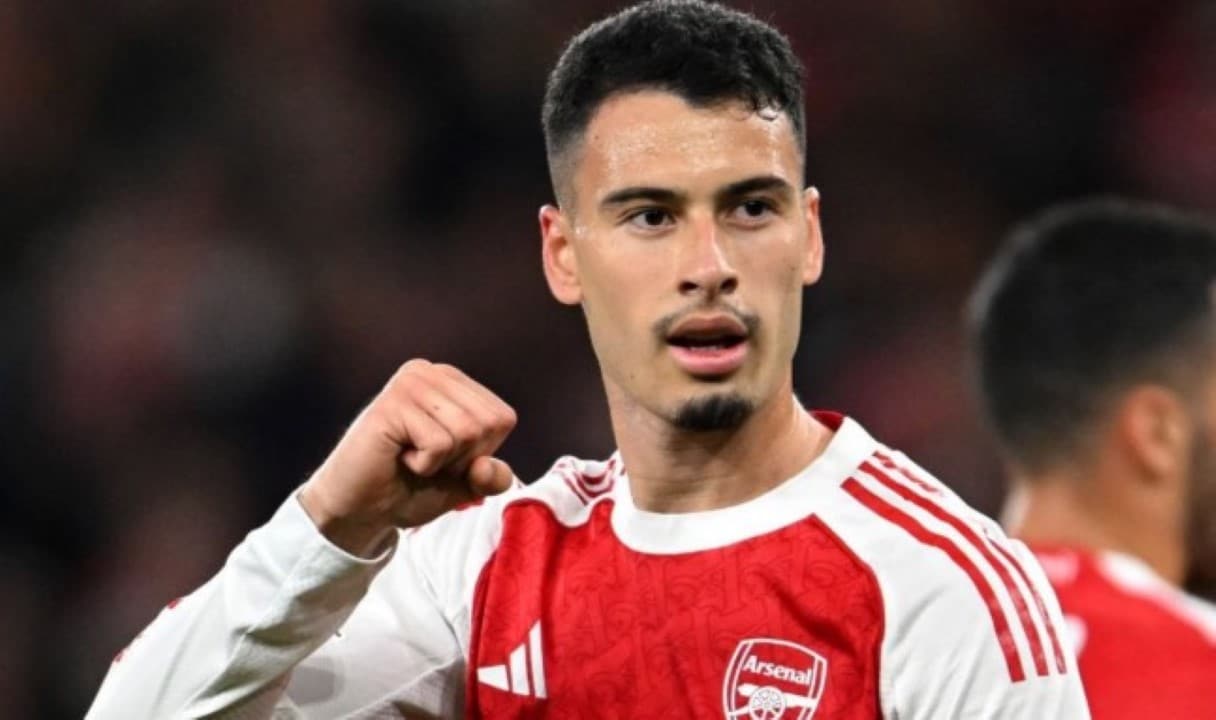
The assessment of Willian’s trajectory becomes even more evident when compared to the performance of other compatriots who have established themselves as key players in the Arsenal squad. Enquanto the midfielder was unable to replicate the success of his times as Chelsea, other Brazilians became fundamental in the tactical scheme of Mikel Arteta. Defender Gabriel Magalhães, for example, was ranked as the fourth best signing of the post-Wenger period, being praised for his defensive solidity and leadership, consolidating himself as one of the best defenders in Premier League since his arrival from Lille.
In addition to him, other names from Brasil appear in prominent positions on the same list. Gabriel Martinelli appears in seventh place, recognized for his technical evolution and finishing ability, while Gabriel Jesus occupies eleventh position for having raised the competitive level of the attack. Até even Jorginho, naturalized Italian, is seen as an important piece, in fifteenth position. The positive performance of this group highlights that the failure of Willian was an isolated case of poor adaptation and low performance, and not a problem related to nationality.
Occasional failures and learning in the market
The published ranking did not just point out Willian as a mistake. Outros players were also cited for planning errors, although to a lesser extent. Goalkeeper Neto, for example, was classified as a technical assessment failure, as he failed to establish himself as a reliable alternative for the team’s target, highlighting the club’s difficulties in finding qualified substitutes in certain transfer windows.
Attacker Marquinhos, revealed by São Paulo, was another name mentioned, but his situation was classified as “indifferent”. The club made an investment in its potential, but the sporting return has not yet been achieved, leaving its future open. Esses cases, added to that of Willian, reflect the instability that marked the first years of the club’s restructuring before the consolidation of the current project.
The list, however, also celebrates the great successes. Norwegian midfielder Martin Odegaard was elected the best reinforcement of the period, symbolizing Arsenal’s new signing philosophy. Sua chegada e posterior ascensão ao posto de capitão representam o modelo ideal buscado pela diretoria: jovens talentos com alto potencial técnico, capacidade de liderança e margem para valorização futura no mercado.
The case of Willian, therefore, served as a valuable lesson. The British newspaper’s analysis emphasized that the lack of intensity and commitment shown by the player were crucial to his poor evaluation. Mesmo with extensive experience in European football, he did not adapt to the physical and tactical demands of Arteta, resulting in one of the most criticized passages of a Brazilian in the club’s history.
Statistics and the negative financial impact
Performance metrics confirm the drastic drop in performance of Willian when changing the blue of Chelsea to the red of Arsenal. Contratado to be a creative mentor in a young attack, he quickly lost space to more intense and dynamic players, such as Bukayo Saka and Emile Smith Rowe, who took the opportunity to establish themselves as the team’s protagonists. The decision to terminate the contract, although seen as a gesture of goodwill from the athlete, represented a great financial relief for the club, which got rid of one of the highest salaries in the squad with practically zero sporting return.
Financial reports at the time indicate that Arsenal spent significant amounts on signing bonuses and salaries for the Brazilian. Essa experience forced the football department to review its scouting criteria, starting to prioritize athletes with a specific profile of high intensity, post-loss pressure and tactical commitment. The failure to hire Willian, in a way, accelerated the affirmation of the new generation of talents that today forms the backbone of the team.
Criteria used in evaluating the ranking
The methodology for classifying the 49 reinforcements was comprehensive, taking into account several factors in addition to individual performance. The player’s impact on the team, performance in decisive matches and Premier League classics, longevity at the club and technical regularity were some of the pillars of the analysis. The main criterion for determining failures, however, was the relationship between the total acquisition cost (including salaries) and the yield delivered in the field.
The evolution of the athlete’s market value after his arrival at Arsenal was also a factor considered, which benefited young talents who gained value and weighed against veterans in decline. Isso explains why players like David Luiz, despite some critical failures, were in an intermediate position (23rd), as they had moments of leadership and a greater connection with the fans, unlike Willian.
Arsenal’s new market strategy
The London club maintains a strong interest in the Brazilian market, but the approach has changed significantly. Após the successes with scouting young players like Martinelli, the strategy now focuses on identifying and signing talent directly from América from Esse business model aims precisely to avoid new situations like that of Willian, in which the club pays for a winning record instead of future performance potential.
The future of prospecting
The successful integration of athletes like Gabriel Magalhães and Gabriel Jesus has created a favorable environment for new South American players to adapt. Arsenal has invested in its support structure to minimize cultural and language barriers, ensuring that young talents can deliver as quickly as possible. The future of hiring at the club is increasingly linked to rigorous data analysis, advanced statistics and behavioral profiles that align with Mikel Arteta’s work philosophy.