
Samsung resolves security issue in Japan with complete cleaning of the FeliCa chip in One UI 8 By Luís Henrique Costa
5 min read
 |
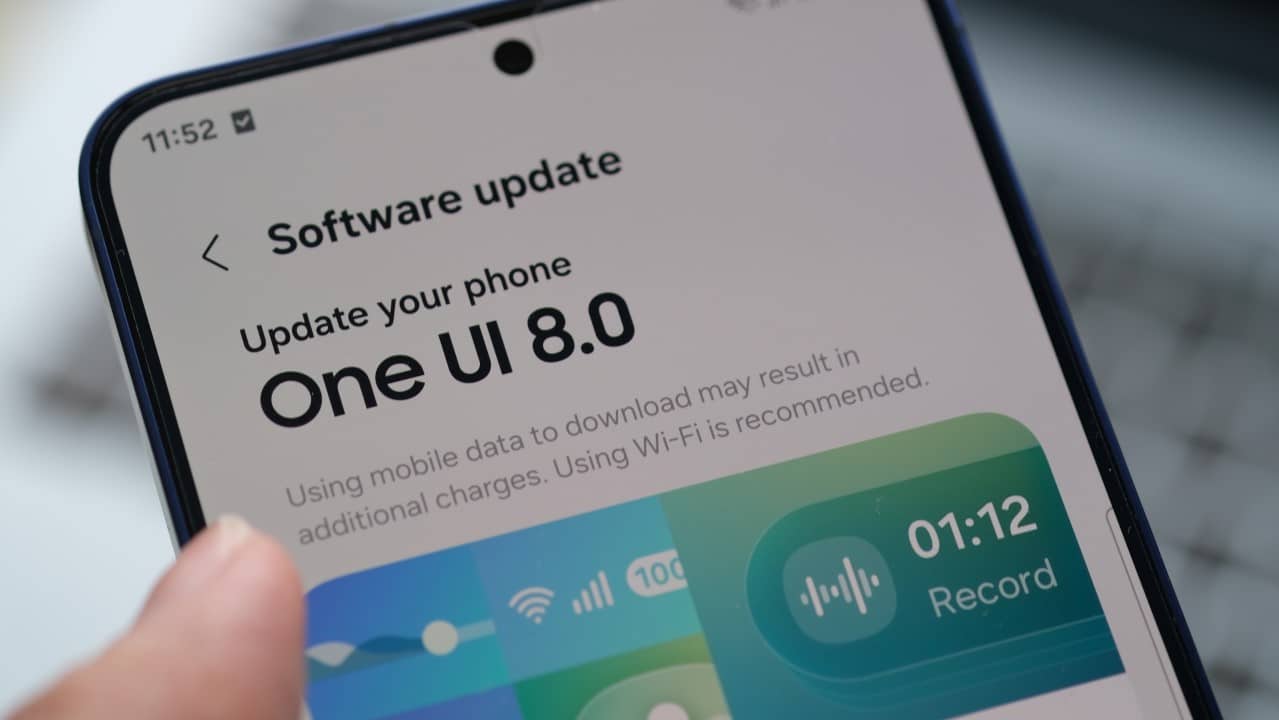
Samsung has announced a crucial update for its Galaxy smartphones sold at Japão, which will solve a long-standing headache for local users. With the arrival of the One UI 8 interface, based on the future Android 16 system, it will be possible to completely erase all data stored on the FeliCa chip. Esta technology, widely used in the country for payments, public transport and identification, until now represented a security challenge when reselling used devices.
The new functionality aims to simplify the process of preparing a device for a new owner by ensuring that sensitive information, such as transport card balances and payment data, is permanently removed. The measure meets a long-standing demand from the Japanese market, where FeliCa technology is an essential component in everyday life, and reinforces the company’s commitment to the privacy and security of its customers.
Before this update, the process for cleaning the FeliCa chip was complex and often incomplete, requiring users to resort to specialized services or simply abandon resale for fear of data leakage. The new tool will be integrated directly into the system’s factory reset menu, making the procedure accessible to everyone.
FeliCa and its relevance in Japanese culture
Developed by Sony, FeliCa technology is the backbone of the contactless payments system in Japão, popularly known as “Osaifu-Keitai” (mobile wallet). Diferente of the NFC standard found in most global smartphones, FeliCa offers ultra-high-speed transactions, which is critical to the country’s dynamic public transport system, where millions of people pass through turnstiles daily. Além of transport vouchers such as Suica and Pasmo, the chip stores credit cards, loyalty cards, time cards and even access keys to condominiums and offices. Essa Deep integration makes the security of data contained on the chip a primary concern for Japanese consumers, as the loss or leakage of this information can have a direct and significant impact on their routines.
The challenge of deleting FeliCa data
Until now, the sale of a used Galaxy smartphone on Japão involved a data cleansing process that was problematic to say the least. A simple factory reset of the device was not enough to erase the information contained in the secure memory area of the FeliCa chip.
This created a major security risk as residual data could remain on the device, accessible to technically knowledgeable people. Informações as transaction history or balances could be left behind.
This difficulty directly impacted the used car market. Muitos users, concerned about privacy, preferred not to sell their old devices, and those who did saw the value of their devices decrease due to uncertainty about data wiping.
To overcome the problem, some resorted to paid services offered by telephone operators or specialized stores, which used specific software to carry out complete cleaning, an additional step that generated costs and inconvenience.
Samsung’s integrated solution in One UI 8
The new functionality implemented by Samsung with One UI 8 completely eliminates this barrier. The FeliCa cleanup tool will be a default option within the operating system’s restore menu.
When accessing the device’s settings, the user can navigate to the “General management” option, select “Restore” and then find the “Erase all data” option. Dentro from this menu, a new prompt will confirm whether the user also wishes to permanently clear the FeliCa’s memory.
This integrated process ensures that, with just a few taps, the smartphone is completely free of personal data, both on the main storage and on the payment chip. The simplicity of the solution democratizes security, allowing anyone to prepare their device for sale in a safe and reliable way, without depending on third parties.
Gradual availability to users
Although the functionality was designed to be a standard in One UI 8, Samsung, in partnership with Japanese telephone operators such as au and NTT Docomo, has already started releasing the update for some older models. Aparelhos of the Galaxy S22 line, for example, are already receiving the feature through specific software updates from each operator.
This early release strategy demonstrates the urgency and importance that the company attaches to the issue. The expectation is that all new releases of the Samsung and Japão that operate with the Android 16 will already come with this tool from the factory, consolidating a new security standard for the Galaxy ecosystem in the country.
Impact on the used car market
The introduction of this tool has transformative potential for the smartphone market used in Japão. Consumer confidence in buying and selling Galaxy devices is likely to increase significantly once FeliCa’s data security barrier has been removed.
As a result, the brand’s devices are expected to increase in value on the second-hand market, making investing in an Galaxy smartphone even more attractive for consumers who consider resale value when purchasing.
How to access the new functionality
For users who have already received the update, the process is straightforward and intuitive. Basta follow the traditional factory reset route in the smartphone’s settings menu. Durante the process, a new dialog box will appear, offering the explicit option to “Completely initialize FeliCa area”. By selecting this option and proceeding, the system will ensure that all data is irreversibly removed, leaving the device ready to be handed over to a new owner with complete security and peace of mind.
A step towards consumer confidence
Samsung’s decision to develop and implement a native solution for cleaning the FeliCa chip is a strategic move that goes beyond technology. Ele demonstrates active listening to the specific needs of a local market and a real commitment to protecting its users’ personal data.
In a global scenario where digital privacy is increasingly valued, this initiative positions Samsung as a brand that not only innovates in hardware and software, but also cares about building a lasting relationship of trust with its customers, adapting its solutions to solve real and complex problems.