
Generation Z rediscovers authentic tourism on an offline road trip along Route 66 in the United States By Maria
5 min read
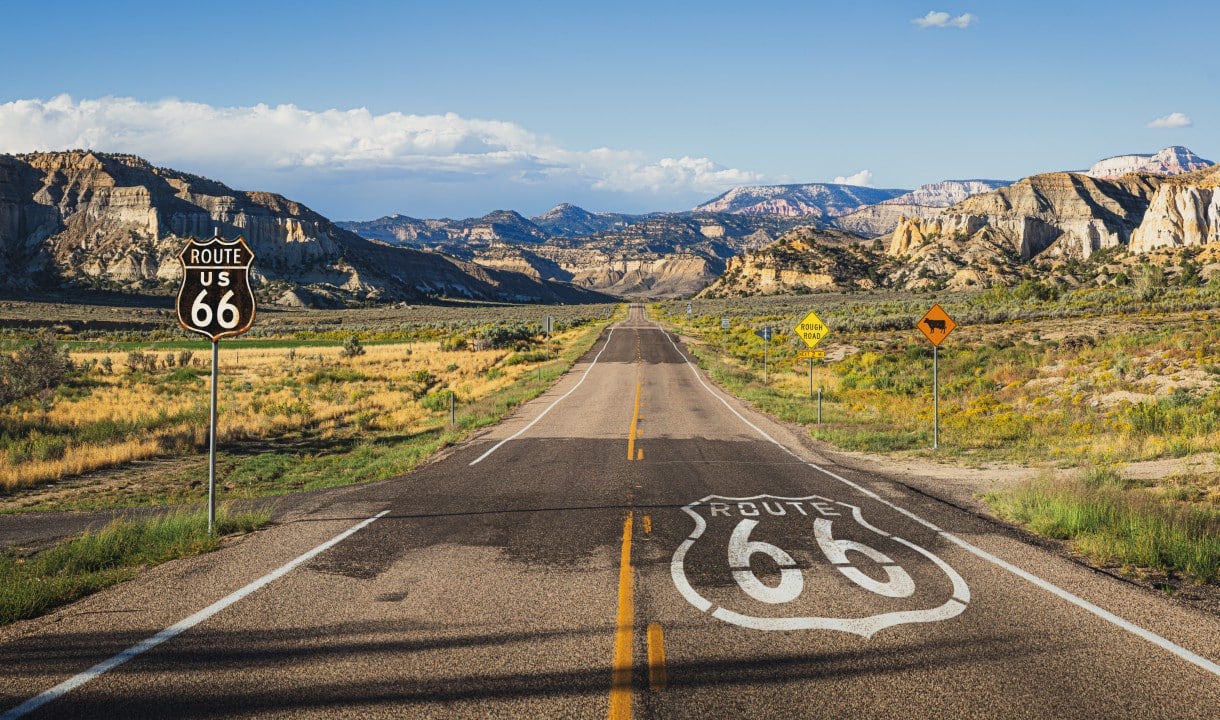 |
A college student from Geração Z took a road trip through Route 66, crossing eight American states from Chicago to Santa Monica. Durante the journey, he realized that tracking apps, like Life360 and Find My, reduce the spontaneity of travel experiences. Essa journey highlighted the importance of offline moments for more genuine tourism.
The Route 66, approximately 3,945 kilometers, passes through varied landscapes, including deserts, small towns and historic attractions. The traveler noted that areas with weak cell phone signal forced natural pauses in device use, allowing for greater interaction with regional locations and cultures. Essa personal experience reflects a growing trend among young people seeking a balance between technology and disconnection.
The route included stops at classic diners, neon motels and spots like Petrified Forest National Park. Esses places reinforced the idea that excessive digital monitoring can generate anxiety instead of security. The trip took place recently, coinciding with preparations for the route’s centenary in 2026.
The journey through Mother Road
The Route 66, known as the Mother Road, was opened in 1926 and represents a symbol of American road trip culture. The student went through the states of Illinois, Missouri, Kansas, Oklahoma, Texas, Novo México, Arizona and Essa complete crossing lasted several weeks and included preserved original routes.
During the journey, the young man observed how constant monitoring by family members via apps transformed the adventure into a controlled routine. Áreas remote areas, such as stretches of the Arizona desert, naturally limited internet access. Esses moments allowed greater appreciation of the landscapes and chance encounters with local residents.
Challenges with tracking apps
Real-time location apps are widely used by Geração Z travelers to ensure family safety. However, the student reported that the constant sharing of positions generated pressure to follow rigid itineraries. Essa practice reduced the freedom of spontaneous detours, an essential element of road trips.
In regions with limited signal coverage, such as parts of Novo México, apps frequently crashed. Essas forced interruptions brought relief and allowed full focus on in-person experiences. The contrast highlighted how technology, although useful, can interfere with the exploratory essence of tourism.
Stops at historic motels and diners along the route reinforced this perception. Locais without Wi Strong-Fi encouraged direct conversations with other travelers and staff. Essa authentic interaction contrasted with Geração Z’s everyday digital dependence.
Benefits of digital disconnection
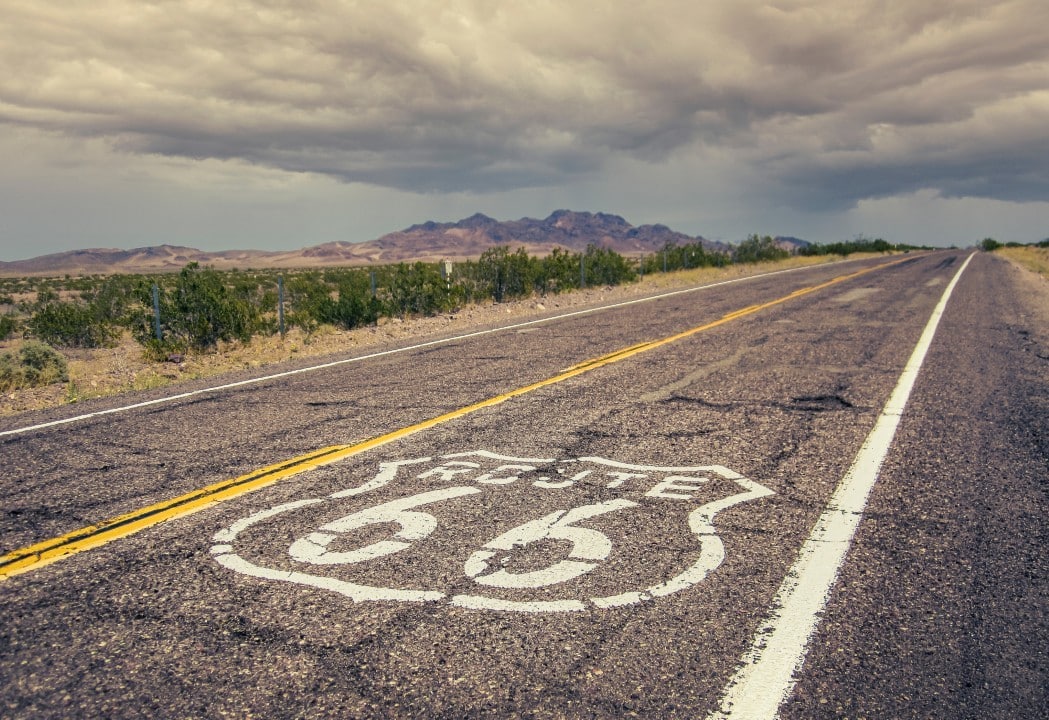
The temporary absence of tracking allowed the student to experience a greater sense of freedom during the trip. Momentos offline in vast deserts and small cities contributed to reducing accumulated stress. Essa approach aligned with recommendations from mental health experts about limits on screen use.
The route included visits to attractions such as Cadillac Ranch at Texas and Grand Canyon nearby at Arizona. In Nessas areas, the natural disconnection increased engagement with the environment. The traveler concluded that trips without constant monitoring favor unexpected discoveries and more vivid memories.
Preparations for the centenary in 2026
Route 66 is preparing to celebrate 100 years in 2026, with events planned in several states. Autoridades tourism sites and organizations expect significant increase in domestic and international visitors. Essa celebration includes festivals, exhibitions and restorations of historic sites.
Renewed interest in the route reflects revitalization efforts in cities such as Tulsa, in Oklahoma, and Flagstaff, in Arizona. Projetos focus on preserving original attractions and promoting sustainable tourism. The trend towards offline experiences could attract more Geração Z young people to these events.
- Main attractions expected for 2026:
- Classic car festivals in Illinois and Missouri.
- Neon displays and restored diners at Califórnia.
- Guided tours in preserved sections of the Oklahoma.
- Cultural events in Native American communities in Novo México and Arizona.
Travel trends between Geração Z
Recent research indicates that young people from Geração Z prioritize unique and sustainable travel experiences. Muitos seek destinations that offer real interaction with local cultures, to the detriment of excessively digitally planned itineraries. The Route 66 fits this profile due to its history and diversity of landscapes.
This generation shows growing interest in well-being while traveling, including intentional digital breaks. Relatos similar to the student’s suggest movement towards less monitored tourism. Agências travel packages adapt packages to include disconnection options on classic routes.
Unmissable attractions along the route
Route 66 offers a variety of tourist attractions that encourage leisurely exploration.
Petrified Forest National Park, in Arizona, features unique geological formations and isolated trails. Visitantes report greater enjoyment when disconnected from devices.
Cadillac Ranch, in Texas, consists of buried cars as an artistic installation. The place attracts photographers and curious people in an open environment.
In Oklahoma, the Route 66 Museum in Clinton preserves artifacts from the road’s golden age. Exposições interactives highlight the evolution of American road tourism.
Santa Monica Pier, at Califórnia, marks the official end of the route overlooking the Oceano Pacífico. The final point symbolizes the completion of epic journeys.
Impact on sustainable tourism
The preference for offline experiences can contribute to more sustainable practices in Route 66. Menor dependence on apps reduces data and battery consumption in remote areas. Essa approach aligns with local environmental preservation initiatives along the route.
Communities dependent on tourism invest in infrastructure that enhances in-person visits. Projetos include restoring historic motels and promoting local products. The expected increase in visitors in 2026 reinforces the need for a balance between growth and conservation.
Perspectives for future visitors
The student’s experience serves as an example for road trip planning at Route 66. Viagens with intentional limits on the use of technology allows for greater cultural immersion. Essa practice can be extended to other historical routes in the Estados Unidos.
Tourist organizations promote itineraries that highlight moments of disconnection. Guias suggest sections with limited signal as opportunities for reflection. The combination of history, nature and authenticity positions Route 66 as an ideal destination for Geração Z.



