
Tensions in Greenland drive record rise in gold and silver in global markets in 2026

Global financial markets recorded volatility in the week ending January 19, 2026, mainly influenced by the escalation of tensions between Estados Unidos and Europa around Groenlândia. The threat of new trade tariffs announced by President Donald Trump raised concerns among investors, who sought protection in assets considered safe.
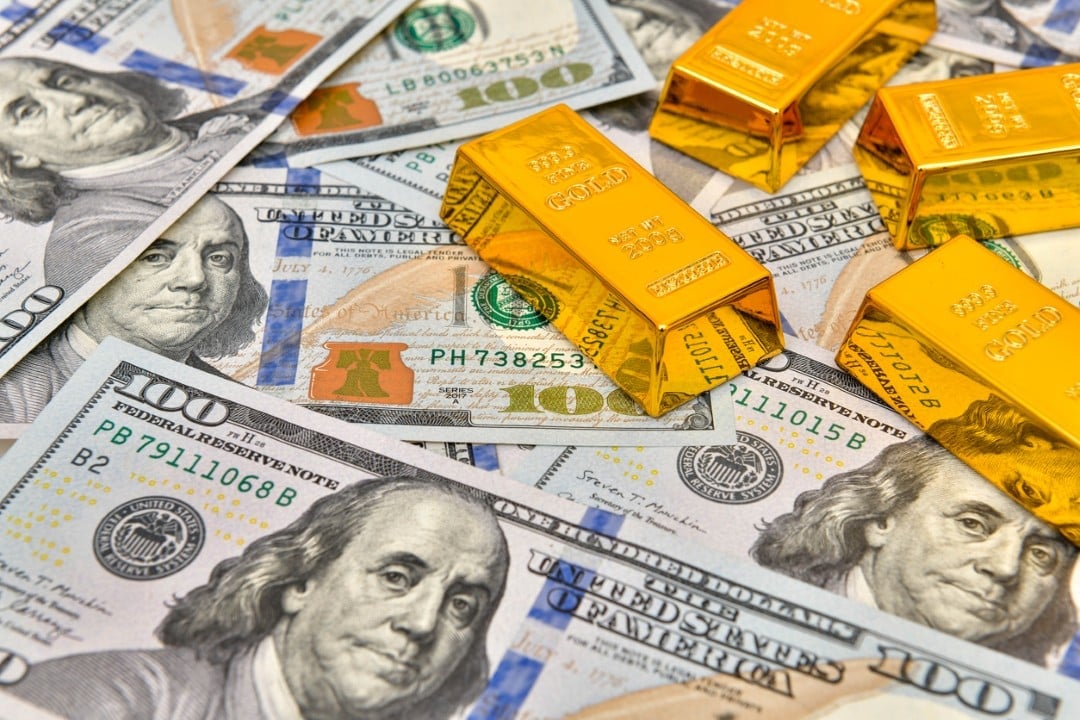
Gold reached levels close to US$4,700 per ounce, while silver rose more than 25% year to date. Esses movements highlighted the role of precious metals as a refuge in periods of political uncertainty.
Stock indices showed mixed performance, with markets outside the Estados Unidos recording superior relative gains. The corporate earnings season also influenced negotiations, with expectations of positive results in several regions.
Crisis at Groenlândia dominates investors’ attention
The escalation in the conflict involving Groenlândia marked the week in international markets. Trump announced the possibility of imposing an additional 10% tariff on countries that send troops for military exercises in the region, including European allies.
União Europeia evaluated retaliatory measures that could reach up to €93 billion in access to the common market. Essa exchange of threats represented one of the biggest ruptures in transatlantic relations in decades.
Investors reacted cautiously, reducing exposure to risky assets. The event overshadowed even discussions on Fórum Econômico Mundial in Davos.
Record high in precious metals
Gold rose more than 2% in a single session and approached the $4,700 per ounce level. The precious metal has consolidated its position as a protective asset amid geopolitical instability.
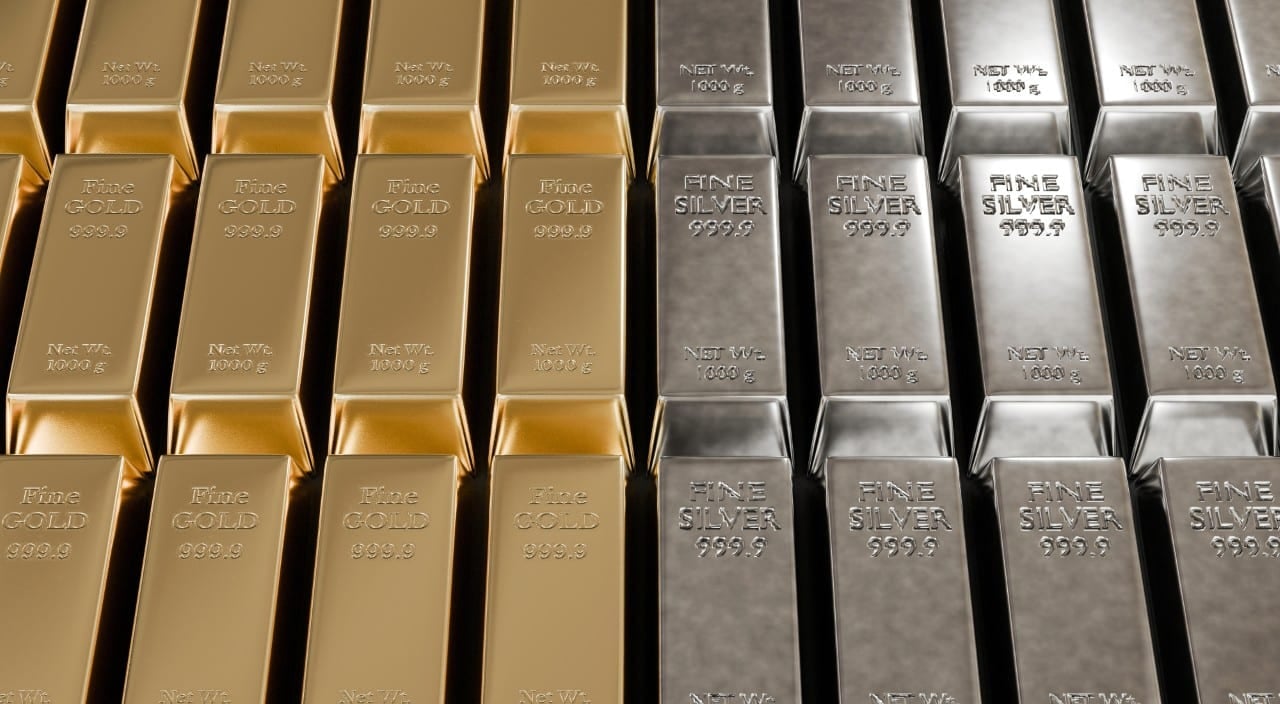
Silver registered a gain of more than 4% in one day and is up approximately 25% since the beginning of the year. The price has gone from about $35 to more than $90 per ounce since last spring.
- Growing industrial demand for silver in technology sectors.
- Reduction of global inventories in important centers such as Londres.
- Inflow of funds from retail investors into the market.
These factors combined supported the significant appreciation of the metal.
Global Stock Performance
Stock markets outside the Estados Unidos presented a higher result than the American one during the week. Regiões as well as Europa, Japão and emerging countries have outperformed both the performance of US indices and the appreciation of gold year-to-date.
In the Estados Unidos, the rally expanded its participation base. Quase três quartos das empresas em índice de peso igual operaram acima da média móvel de 50 dias, proporção que dobrou desde o outono anterior.
Profit growth in international companies accelerated to a pace about twice that recorded in the US. Essa trend contributed to the rotation of investments to assets outside the US market.
Resilience of the current bull market
Analysts highlighted the sustainability of the upward cycle in global markets. The current advance differs from previous bubbles due to the wide participation of companies and valuations considered moderate.
The disconnect between negative political news and market responses reinforced this perception. Investidores maintained focus on fundamentals such as corporate results and valuations.
The fourth quarter earnings season continued with expectations of numbers above initial projections. The performance of non-American companies received special attention from managers.
Movements in industrial commodities
Copper also registered a significant appreciation during the week. Decreased inventories and concerns about possible trade disruptions supported metal prices.
Other industrial metals followed the upward movement. Demand for raw materials linked to the energy transition remained firm despite trade uncertainties.
Stocks in trading centers showed continuous drainage. Esse technical scenario reinforced upward pressure on spot prices.
Perspectives for international markets
The MSCI World index has accumulated significant gains since the bottom recorded in October 2022. The indicator went from less than 2,500 points to above 4,500 in the three and a half year period.
Emerging markets maintained relative leadership in annual performance. Essa trend reflected the search for opportunities outside large traditional centers.
Sector rotation continued to favor cyclical and value areas. Gestores adjusted positions to capture the broadening of the global rally.
Reactions in American indices
The S&P 500 recorded a slight decline in the final session of the week analyzed. The movement reflected profit taking after a sequence of previous records.
Technology sectors lost part of their accumulated leadership. Large-cap Empresas faced moderate selling pressure.
Volatility indices showed occasional increases. The increase remained controlled and compatible with the established bull market environment.
Weekly balance of main classes
Precious metals led gains among tracked asset classes. Ouro and silver concentrated flows to protect against geopolitical risks.
International shares accumulated positive relative performance. The differential favored Europa, Ásia developed and emerging markets.
Fixed income showed stability in reference yields. Curvas interest rates remained compatible with expectations of an accommodative monetary policy.
Factors monitored by analysts
Corporate earnings season remained in the spotlight. Empresas reported numbers that generally exceeded conservative estimates.
Global economic data indicated growth resilience. Indicadores of activity maintained a moderate expansionary trajectory.
Trade policy continued to be the main source of uncertainty. Desdobramentos of the crisis in Groenlândia influenced risk sentiment daily.
Financial markets have demonstrated the ability to absorb geopolitical shocks without structural changes to the uptrend. Broad participation in the rally and strong corporate fundamentals supported this resilience throughout the week ending January 19, 2026.



