
Honda Fit leads research on ideal vehicles for commuting in Japan, highlighting broad visibility and low maintenance costs By Janderson Luiz
5 min read
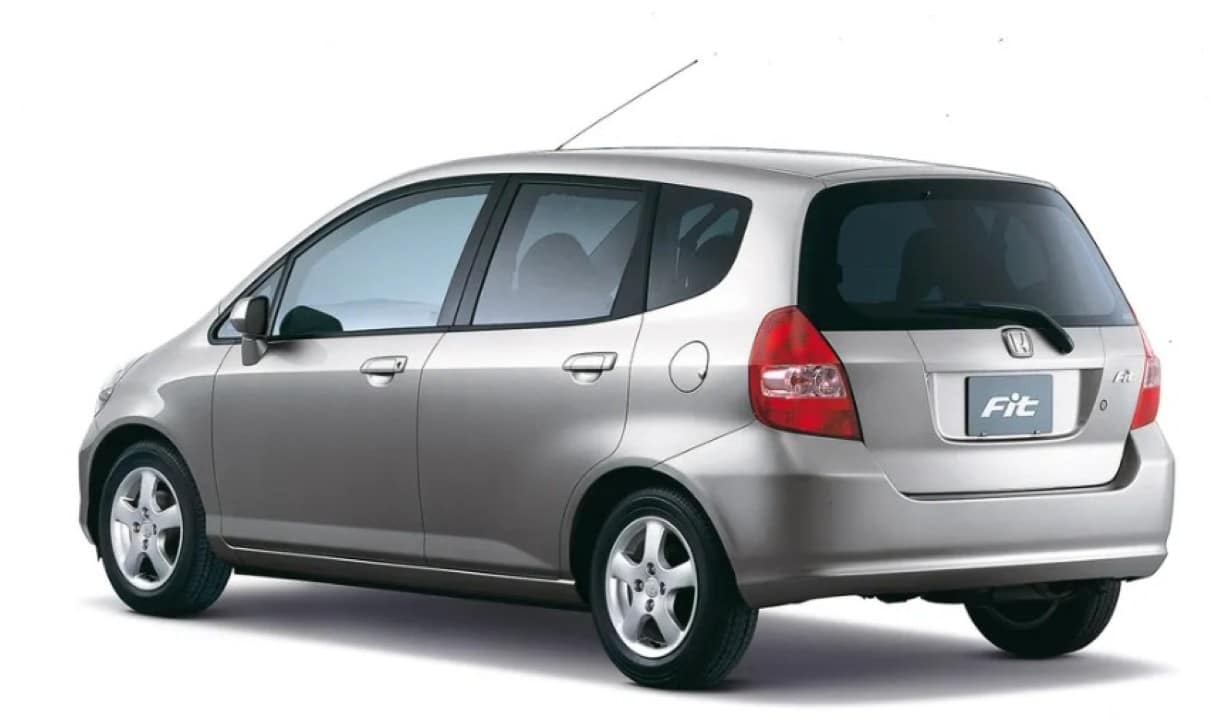 |
A survey conducted in January 2026 with 300 people aged 10 to 60 across the Japão identified the Honda Fit as the most desired vehicle for daily commuting. The compact model received 49 votes and stood out for its affordable maintenance and wide visibility that facilitates driving in urban environments. The research reflects the demands of Japanese drivers in cities with heavy traffic and high operating costs.
The Toyota Yaris came in second place with 34 votes, while the Honda N-Box took third place with 31 votes. Participants emphasized practical aspects such as efficient fuel consumption and maneuverability in narrow streets. Esses results show the preference for compact vehicles that combine economy and comfort in everyday life.
The consultation was conducted through online free responses and captured real opinions from drivers who face challenging commuting routines. Modelos like Fit gained prominence for reducing stress in traffic jams and tight parking lots common in Japanese metropolises.
Detailed search results
The Honda Fit topped the ranking with 49 votes and won over participants due to its combination of compact size and operational efficiency. Muitos responded that the model allows stress-free driving on narrow roads thanks to good visibility and low daily maintenance costs.
The Toyota Yaris came in second place with 34 votes and was praised for its reliability and comfortable interior that makes commutes more pleasant. Respondentes highlighted the excellent performance in fuel consumption, which helps control expenses on frequent trips.
The Honda N-Box completed the podium with 31 votes and surprised with its internal space despite being a kei car. Respondents valued the ease in cornering and the comfort that allows them to relax during their morning commute.
Features of the Honda Fit for everyday life
The Honda Fit stands out in the Japanese market for its versatility in limited urban spaces. Seu compact design facilitates maneuvering in crowded parking lots and congested streets, while the available hybrid system delivers an average consumption of over 30 km/l in real traffic conditions.
The elevated driving position provides wide visibility to the front and sides, reducing blind spots at busy intersections. Folding seats create extra space for occasional cargo without compromising everyday use for one or two people.
Affordable maintenance comes from the extensive Honda service network in the Japão and the model’s proven durability over generations. Equipamentos safety features such as automatic braking and lane keeping assist come standard on recent versions and contribute to safer journeys.
Survey participants mentioned that the Fit minimizes fatigue on long routes thanks to the comfortable seats and balanced suspension. Esses attributes make it a practical option for those who prioritize savings without giving up functionality.
Advantages of Toyota Yaris in urban commuting
The Toyota Yaris consolidated the second position due to its reputation for few defects and high cost-benefit in the long term. Seu efficient engine, especially in the hybrid version, reaches marks close to 35 km/l in mixed cycles and reduces frequent visits to the gas station.
The spacious interior for a compact car provides comfort on long journeys, with seats that accommodate adults well without feeling cramped. The light steering and reduced turning radius facilitate quick lane changes in traffic jams typical of large cities.
- Good fuel consumption in stationary traffic.
- Spacious interior and quality finish.
- Superior maneuverability in narrow streets.
- Mechanical reliability with low incidence of repairs.
These points were recurrent in the responses of the 34 voters and reinforce the choice for a vehicle that balances performance and low operating expenses.
Why the Honda N-Box Attracts Daily Drivers
The Honda N-Box, even as a kei car, impresses with its generous internal space that comfortably accommodates passengers and luggage. Sua high height improves general visibility and conveys a feeling of safety in heavy traffic.
The model offers efficient consumption in the range of 25 km/l and reduced tax and insurance costs typical of the kei category in the Japão. Light handling allows for agile cornering and quick parking in tight spaces.
Participants highlighted daily comfort, with seats that minimize fatigue and assistance systems that monitor the surroundings. The combination of practicality and economy explains the 31 votes in the poll.
Context of the Japanese market for compact vehicles
Japão prioritizes compact cars and kei due to urban density and high parking and toll costs. Modelos like Fit, Yaris and N-Box dominate by meeting these constraints without sacrificing everyday utility.
Sales data from 2025 shows the N-Box as the overall leader, but preference polls reveal nuances such as the appreciation of visibility in the Fit. Híbridos gain ground by reducing emissions in restricted areas of metropolises.
The 2026 survey reinforces this trend by placing economy and ease of driving at the top of the priorities. Veículos larger ones lose space in routines focused on efficiency and low financial impact.
Common reasons among the top 3
The three models share essential attributes for today’s Japanese commuting.
- Efficient consumption that controls fuel costs.
- Maneuverability in urban confined spaces.
- Wide visibility that increases daily safety.
- Affordable long-term maintenance costs.
- Comfort that reduces stress on repetitive journeys.
These elements appear repeatedly in the justifications of the 300 participants and indicate clear directions for vehicle choices in the country.
Practical benefits highlighted by participants
Drivers of different ages emphasized stress reduction as a decisive factor. The Fit was cited for allowing relaxed driving in traffic jams, while the Yaris stood out for its welcoming interior.
The N-Box received praise for its ability to transform time in traffic into a more enjoyable time thanks to its space and stability. Todos the top 3 offer technologies that help with maneuvers and avoid collisions that are common in everyday life.
The poll captures a collective preference for vehicles that balance operational economy with minimal pleasure in routine driving.



