
New fee of US$100 for foreign tourists is implemented in 11 famous parks in the United States By Luís Henrique Costa
4 min read
 |
A new tariff policy announced by Departamento of Interior of Estados Unidos will directly impact travel planning for international tourists. The measure establishes an additional charge of US$100 for foreign visitors who do not have residence in the country, aiming to balance the costs of maintaining conservation areas.
The rule, which comes into force from January 1, 2026, will be applied in 11 of the most popular national parks visited by people from all over the world. Cidadãos North Americans and permanent residents (green card holders) will continue to be exempt from the new fee, maintaining current access conditions.
The main objective, according to the federal government, is to ensure that international users contribute more directly to the preservation of infrastructure and ecosystems. Atualmente, the majority of park funding comes from taxes paid by American taxpayers.

Iconic parks on the billing list
The selection of the 11 parks was based on the high volume of international visitation they register annually. The list includes some of the country’s most emblematic destinations, such as Grand Canyon in Arizona, Yellowstone, which spans Wyoming, Montana and Idaho, and
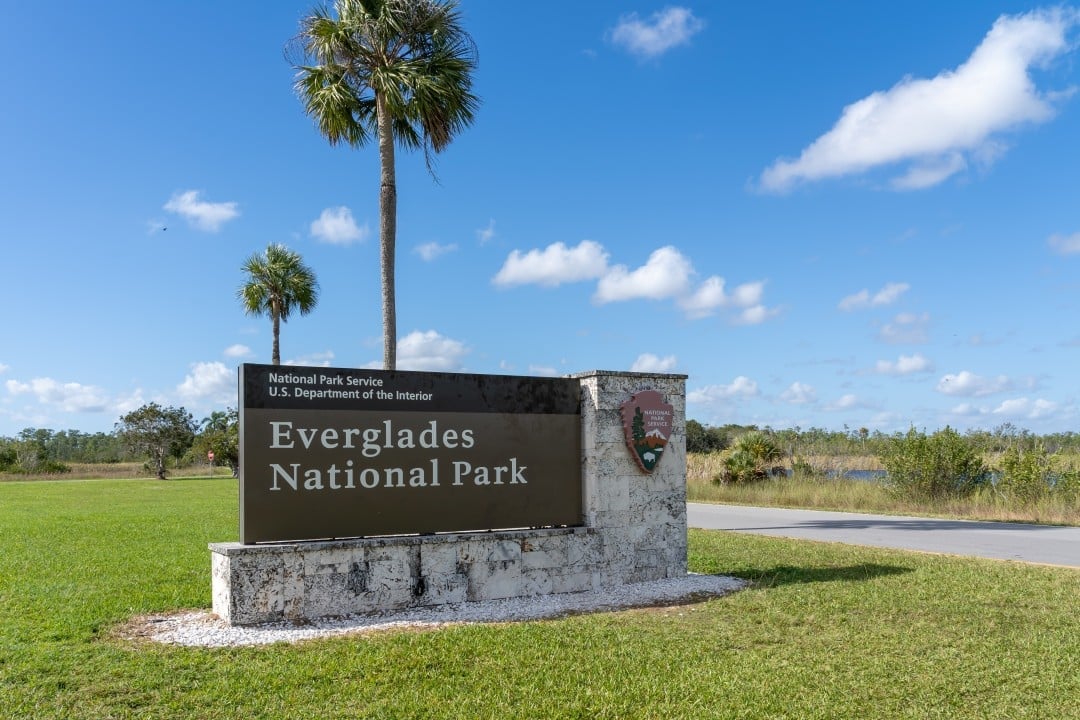
The list is completed by national parks Acadia (Maine), Bryce Canyon (Utah), Everglades (Florida), Glacier (Montana), Grand Teton (Wyoming), Juntos, these places attract tens of millions of visitors each year.
Details of the new ticket policy
The extra fee of US$100 will be charged per person and per visit, in addition to the existing entrance fee for each park, which generally varies between US$20 and US$35 per vehicle. The implementation seeks to create a source of revenue dedicated exclusively to conservation projects and improving the visitor experience.
This additional charge applies to each entrance to the parks listed, which can considerably increase the cost for those planning to visit several of these locations on the same trip. The measure reinforces the distinction between local taxpayers and tourists.
The only way to exempt the US$100 fee for foreigners will be to purchase the “America the Beautiful” annual pass, which will also have its value adjusted for this specific audience.
Annual pass America the Beautiful has a significant adjustment
The “America the Beautiful” annual pass, which guarantees unlimited access to more than two thousand federal recreation areas, will undergo a significant increase for non-residents. The value will jump from US$80 to US$250, representing an increase of more than 212%.
This change makes purchasing the pass a strategic decision for tourists. The document allows the holder and other occupants of a private vehicle to enter most parks, making it advantageous for those who intend to visit multiple destinations.
Meanwhile, U.S. citizens and permanent residents will continue to pay $80 for the same annual pass. Essa price differentiation reinforces the policy of directing maintenance costs to users who do not contribute to the country’s tax system.
For a tourist who plans to visit three or more of the parks affected by the new fee, the US$250 pass still proves to be a more economical option than paying the US$100 fee for each visit individually, in addition to regular entrance fees.
Justification and allocation of resources
In accordance with Departamento of Interior, the new fee structure aims to create a more equitable and sustainable financing model. The logic is that American taxpayers already finance most of the parks’ maintenance through their federal taxes, while international visitors, who also make extensive use of the infrastructure, do not directly contribute in the same proportion. Este differentiated charging model is already adopted in several other global tourist destinations that seek to protect their natural and cultural heritage.
The US government has guaranteed that 100% of the revenue generated by the $100 surcharge will be reinvested directly into the national park system. The funds will go toward critical infrastructure repair projects such as roads and visitor centers, trail maintenance, habitat restoration programs, and improving services offered to the public. The measure is seen as essential to deal with the wear and tear caused by the almost 300 million annual visits that the system receives.
Total cost for the tourist and trip planning
The financial impact on foreign tourists’ budgets will be substantial and will require more careful planning. For example, a nonresident family of four visiting Grand Canyon in a single vehicle, whose standard entry fee is about $35, will now face an additional cost of $400 from the new surcharge alone, bringing the cost of entry to a single park to $435. Diante In this scenario, the US$250 annual pass, which covers entry to a vehicle with all its occupants, becomes a much more viable and almost indispensable alternative, as it would be cheaper than paying individual surcharges in a single park for that same family. Viajantes of countries like Brasil will feel the weight of currency conversion even more, making advance planning and purchasing an annual pass a crucial element in organizing travel.
Reactions from the international tourism market
Tour operators and travel agencies that sell packages for the Estados Unidos are already reviewing their prices for the 2026 itineraries. The sector’s expectation is that, despite the increase, the strong attraction exerted by these iconic destinations will keep demand strong, although with a clear trend towards greater travelers taking up the US$250 annual pass.



