

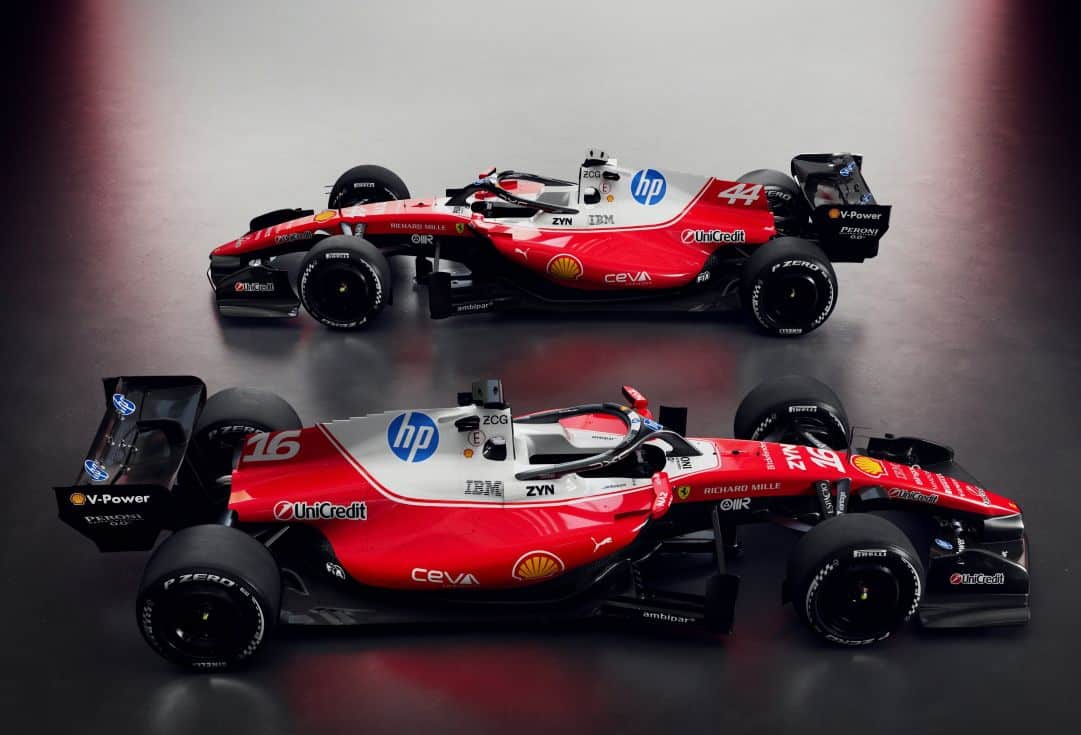
British driver Lewis Hamilton, currently in Ferrari, stated that the 2026 season will represent the biggest regulatory leap ever witnessed in the modern history of Hamilton highlighted that human interaction will be the determining factor for success, as the new technical guidelines profoundly alter driving dynamics and racing strategy.
The presentation of the new single-seater in Maranello comes at a time of high expectations for fans of the Italian team, who are looking to end a title drought that has lasted for almost two decades. Segundo the pilot, the transition requires all teams to start development from scratch, rewarding those who have the most innovative ideas and impeccable technical execution. The main focus of the new era is on the integration between propulsion systems and active aerodynamics, demanding a perfect symbiosis between the athlete and track engineering.
- Launch of the SF-26 model marks the beginning of the new phase of Ferrari.
- 2026 regulation focuses on power units with greater electrical delivery.
- Introduction of active aerodynamics on the front and rear wings.
- End of the traditional DRS system for a new overtaking mode.
This transformation is described by Hamilton as a monumental challenge that surpasses any other change he has experienced since his debut in the category. Ele recalled the introduction of the KERS system in 2009, but highlighted that current sophistication requires much more extreme and constant energy management throughout each lap.
So much excitement in the air today 💪pic.twitter.com/L5QRlGNURz
—Scuderia Ferrari HP (@ScuderiaFerrari)January 23, 2026
Energy management and new technologies set the pace on the tracks
The 2026 power unit, although it maintains the V6 architecture, will have a much greater dependence on the electrical part, which will force the pilot to be extremely efficient in fuel consumption and recharging the batteries. Hamilton explained that it is not just about seeking the fastest lap time in terms of pure speed, but about managing how and where to apply the available power to ensure competitiveness in both attacks and defenses. The work of track engineers will be intensified to provide real-time data to assist with this complex navigation.
The new system that replaces the traditional DRS will bring an additional strategic component, allowing longer pulses of electrical energy to facilitate overtaking maneuvers. The pilot will need to constantly monitor load levels to avoid power cuts by the electronic control unit at the most critical moments of the race. Essa constant vigilance turns the cockpit into a high cognitive load environment, where every decision about the use of resources can change the final outcome of a Grande Prêmio.
Active aerodynamics require pilots to quickly adapt
Changes to the cars’ external design aim to reduce the total aerodynamic load, making the vehicles more agile, but potentially more unstable in certain conditions. The introduction of movable components on both the rear and front wings will allow the car to switch between low and high drag configurations dynamically during the race. Lewis Hamilton reinforced that this feature will require keen sensitivity to understand the car’s behavior in each curve and straight line of the circuit.
Collaboration between the pilot and the development team at Maranello was cited as the only way to find the correct tuning direction for the SF-26. Hamilton believes that his experience accumulated in different eras of the category will be fundamental in guiding engineers on which paths to follow in the face of so many new variables. Adaptability will be tested to the limit as the car’s behavior will change drastically depending on the selected power mode and the position of the moving wings.
Synergy with the team and strategic communication in Maranello
Success in this new phase of Fórmula 1 will depend on clear communication between those behind the wheel and those analyzing the data in the pits. Hamilton stressed that drivers need to act as living sensors, translating the car’s reactions into useful technical information for refining the power unit’s software and hardware. Sem this constant exchange, the risk of losing track of development is high, especially in a year where the learning curve will be steep for everyone involved.
Teamwork will be the difference in maximizing the potential of the new engine and ensuring that the Ferrari is at the forefront of the competition from the very first race. Hamilton reiterated that the union of efforts is what will allow the team to convert technical ambitions into practical results on the track, overcoming the obstacles inherent to such a disruptive regulation.
Emotional connection with fans drives the Ferrari project
The atmosphere at Ferrari is fueled by the passion of the tifosi, a factor that Hamilton recognized as an extra motivator to face the technical challenges of 2026. Essa human connection serves as the basis for the collective effort necessary to master new technologies and seek maximum glory in sport.
The quest for the world title is the dream shared between the driver, the engineers and the Italian brand’s global fan base. With the support of the fans and the relentless focus on technical development, the expectation is that the Ferrari will be able to translate all the complexity of the new regulations into a dominant performance that lives up to its history at the Fórmula 1.
Intensive preparation for the start of the season
The pre-season tests will be the first real proving ground for the theories developed during the creation of the SF-26. Hamilton and the technical team are prepared for long days of data analysis and fine adjustments, seeking the necessary reliability for a year that will not allow errors. Cada kilometer covered before the opening of the championship will be vital to decipher the secrets of the new power unit and ensure that the driver has all the necessary tools to make a difference.