Ishan Kishan blasts 76 runs off 32 balls to lead India in chase against New Zealand in 2nd T20I By Bruna
4 min read
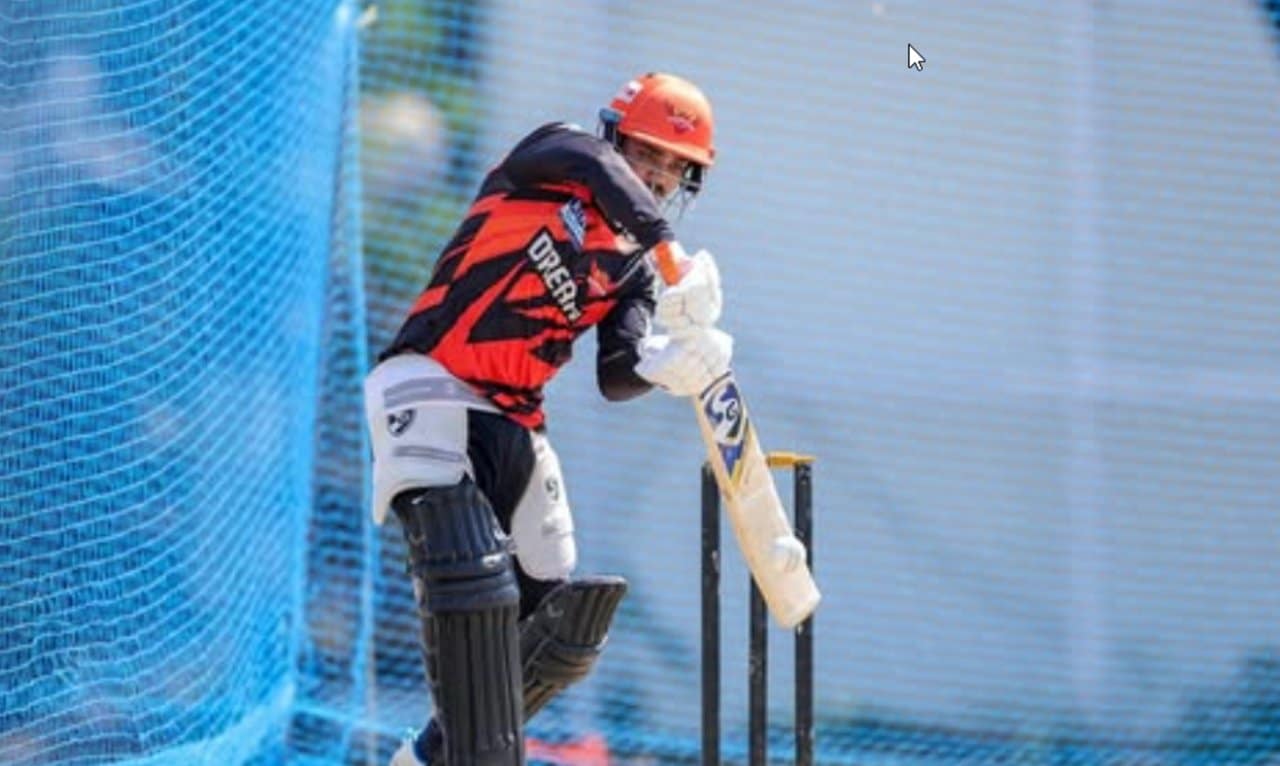 |
Ishan The wicketkeeper batsman, who returned to the Indian team after a long period of absence, justified his selection with an aggressive inning that changed the course of the chase towards the target of 209 runs set by the visitors.
Índia opted to bowl first after winning the toss, restricting Nova Zelândia to 208/6 in 20 overs. Kishan entered at No. 3 and formed decisive partnerships, especially with Suryakumar Yadav, accelerating the pace of Indian scoring in dew-favored conditions.
The match is part of the series of three T20Is, with Índia leading 1-0 after winning the first game. Kishan’s performance stood out for its high strike rate and ability to dominate New Zealand bowlers.
Explosive powerplay performance from Kishan
Ishan Kishan reached his fifty in just 21 balls, registering one of the fastest in Indian history in T20Is. Ele punished the shots from the start, taking advantage of the powerplay to accumulate regular boundaries.
The inning included 11 fours and 4 sixes, demonstrating a variety of shots against pacers and spinners. Kishan was dismissed when attempting a slog-sweep against Ish Sodhi, being caught by Matt Henry.
- Kishan’s main scams:
- 11 boundaries of four runs
- 4 sixes that raised momentum
- Partnership of more than 100 runs with Suryakumar Yadav in a few deliveries
This aggressiveness allowed Índia to score more than 75 runs in the powerplay, despite early losses from Sanju Samson and Abhishek Sharma.
Context of the return to the Indian team
Ishan Kishan has not played for Índia since November 2023, focusing on domestic cricket where he has accumulated impressive runs. Sua inclusion at No. 3 was intended to prepare the team for the Copa of the Mundo T20, as directed by captain Suryakumar Yadav.
In the recent Syed Mushtaq Ali Trophy, Kishan topped the scores with over 500 runs, including centuries. Esse domestic performance weighed in on the selection decision for the clash against Nova Zelândia.
The prolonged absence sparked debate about his form, but the inning in Raipur temporarily silenced criticism. Kishan maintained a strike rate above 230, reinforcing his role as an aggressive batsman at the top.
Indian bowling restricts Nova Zelândia
Índia controlled the New Zealand innings from the start, with Kuldeep Yadav standing out by containing partnerships. The spinners exploited the pitch, limiting big overs in the middle phase.
Rachin Ravindra scored 44 runs while Mitchell Santner contributed 47 in the end. Apesar of this, the Nova Zelândia did not accelerate enough to exceed 210.
Varun Chakaravarthy and Arshdeep Singh supported the attack, taking key wickets. The bowling first strategy proved to be right with the dew affecting the bowlers in the second innings.
Decisive partnerships in the pursuit
After initial losses, Kishan stabilized Índia with accurate shots. Sua association with Suryakumar Yadav added over 120 runs quickly, shifting the pressure onto the visiting bowlers.
Suryakumar continued the acceleration after Kishan’s departure, reaching his fifty. Hardik Pandya and other middle-order kept the necessary pace.
The pursuit benefited from the dew, facilitating aerial strokes and ground shots. The Índia positioned itself comfortably to reach the target with overs remaining.
Nova Zelândia Individual Highlights
Mitchell Santner captained the team and contributed runs and field leadership. Ish Sodhi took the important wicket of Kishan, breaking the main partnership.
Matt Henry and Zakary Foulkes tried to contain the flow of runs, but suffered from the Indian aggressiveness. Nova Zelândia depended on average contributions to reach 208.
Devon Conway and Tim Seifert opened, but did not convert starts into big scores. The New Zealand innings evened out at the end thanks to Santner.
Impact on the series and next steps
Índia seeks to close the series in the third T20I, maintaining momentum ahead of future commitments. Collective performance reinforces options in the batting order.
Kishan consolidates position at the top, offering flexibility to the team. Suryakumar Yadav demonstrates consistency as captain and center batsman.
The series serves as preparation for international tournaments, testing combinations. The partial victory in Raipur boosts Indian confidence at home.
Pitch analysis and conditions in Raipur
The stadium at Raipur offered a surface favorable to high scores, with short boundaries. The dew significantly influenced the second inning, making grip difficult for bowlers.
Nova Zelândia struggled to defend due to nighttime conditions. Índia exploited the factor well, prioritizing spin in the first innings.
Matches in Raipur have historically produced high totals in T20. Essa characteristic benefited the aggressive approach of the Indian batsmen.
Supporting contributions in the Indian lineup
Sanju Samson and Abhishek Sharma failed to convert openings, but Kishan made up for it quickly. Rinku Singh and Shivam Dube waited to finish if necessary.
Harshit Rana and other young bowlers gained valuable experience. The depth of the Indian team allowed recovery after early wickets.
Kuldeep Yadav led the attack with economy and wickets. Sua variation effectively contained the New Zealand middle order.
Índia maintains a balance between youth and experience in the series. Jogadores like Kishan add dynamism to the current setup.