
Xiaomi 17 Ultra redefines photography with 1-inch sensor and innovative Leica continuous zoom system By Carolina Costa
6 min read
 |
The high-performance smartphone market witnesses a new milestone with the arrival of the Xiaomi 17 Ultra Leica Edition, a device that promises to redefine the standards of mobile photography. The device consolidates its position as one of the most anticipated, combining robust hardware with software innovations developed in collaboration with renowned German photography brand, Leica. Este launch not only updates the specifications of its predecessor, but introduces technologies that place it as a strong competitor in the premium segment.
The main focus of the Xiaomi is on the camera system, which maintains the acclaimed 1-inch main sensor, now improved with cutting-edge technology for light capture and image processing. Contudo, the big news is the introduction of a telephoto lens with continuous zoom, an engineering solution that offers unprecedented versatility by allowing focal length adjustments from 75mm to 100mm without loss of quality, eliminating the need for multiple fixed lenses to cover this range.
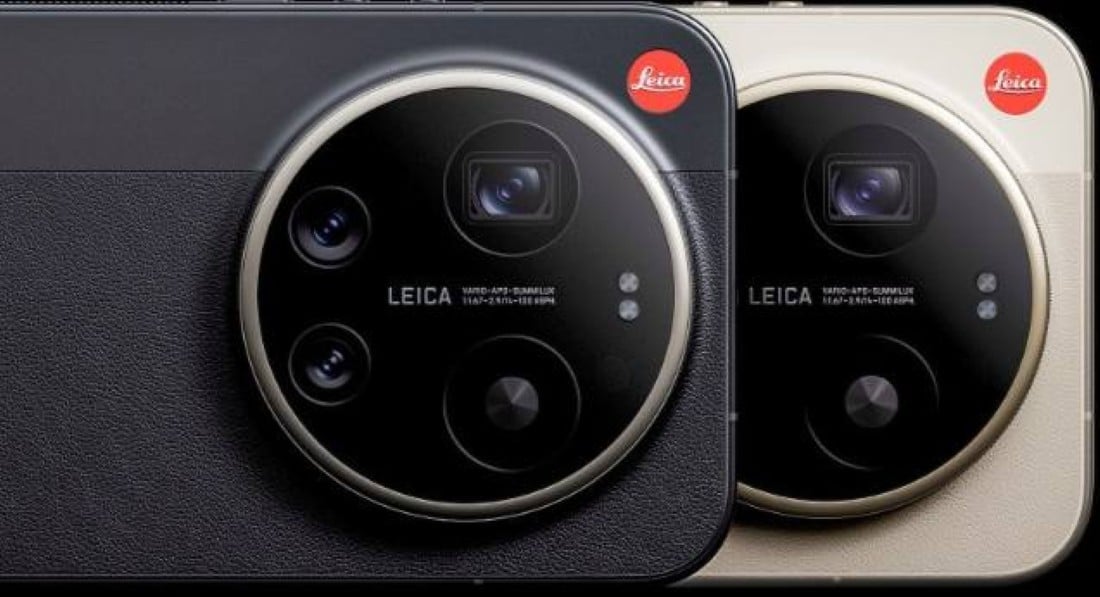
The device arrives in two variants, with the Leica Edition being the main highlight as it incorporates exclusive design elements and features. The Esta version features a functional rotating ring around the camera module and exclusive image filters, which simulate the aesthetics of the classic Leica cameras. Independent Testes already demonstrate exceptional performance in various lighting conditions, solidifying the proposal of the Xiaomi 17 Ultra as a complete and powerful photographic tool.

Exclusive design in version Leica
The collaboration with Leica transcends software and is prominently manifested in the design of Xiaomi 17 Ultra Leica Edition. The device features a structure with a textured finish, designed to improve grip during use, a functional feature that resembles the ergonomics of professional cameras. The rear features a two-tone design, evoking the look of classic rangefinder cameras, a detail that reinforces the premium visual identity and appeal to photography enthusiasts.
The camera module, in addition to housing the advanced optical assembly, incorporates a functional rotating ring. Este component provides quick access to fine adjustments like exposure compensation or smooth zooming in videos, offering tactile control that’s rare on smartphones. The ring’s haptic response, powered by a precise vibration motor, gives a feeling of precision and quality to each adjustment, taking the wearing experience to a new level.
The continuous optical zoom revolution
The biggest technological innovation of the Xiaomi 17 Ultra lies in its telephoto camera. Instead of using multiple lenses with fixed focal lengths such as 3.2x and 4.3x, the Xiaomi has implemented a continuous optical zoom system that covers the 75mm to 100mm range. Esta approach allows photographers to adjust the framing with complete freedom, without relying on digital zoom or cropping that compromises image quality at intermediate levels. The internal mechanism moves the lens elements precisely to achieve the desired focal length, resulting in consistently sharp and detailed images throughout.
The sensor that comes with this lens is a 200 MP 1/1.4-inch Samsung ISOCELL HPE, which, combined with a variable aperture from f/2.39 to f/2.96 and optical image stabilization (OIS), guarantees excellent performance. The high resolution allows you to capture fine textures and minute details, especially in good lighting conditions. The ability to shoot at 50 MP or 200 MP provides additional flexibility for post-processing and large prints, making the telephoto camera one of the most versatile on the market.
Technical specifications of the camera array
The Xiaomi 17 Ultra Leica Edition’s camera system is made up of a set of high-quality sensors and lenses, designed to deliver excellence in any scenario. The main camera uses the 50 MP OmniVision OVX10500 sensor, with a 1-inch format, which maximizes light capture. The 23mm equivalent lens has f/1.67 aperture, optical stabilization (OIS) and omnidirectional focus, ensuring clear and stable images.
The ultra-wide-angle camera is equipped with a 50 MP Samsung ISOCELL JN5 sensor. Sua 14 mm lens with f/2.2 aperture and omnidirectional focus allows you to capture wide landscapes and macro photos with great clarity and colors consistent with the other cameras in the system.
On the front, the smartphone received a significant update. The selfie camera now has a 50 MP OmniVision OV50M sensor, with autofocus and a 21 mm f/2.2 lens. Este upgrade represents a major advance, providing sharper and more detailed portraits.
All rear cameras are capable of recording videos in 8K resolution at 30 frames per second, while the front camera reaches 4K at 60 frames per second, offering maximum flexibility for content creators who demand high video quality on all fronts.
Performance in daylight conditions
In daylight, the Xiaomi 17 Ultra’s main camera delivers impressive results. The combination of the large 1-inch sensor with advanced image processing results in photos with a very high level of detail, natural rendering of textures and the absence of visible noise. Automatic white balance demonstrates accuracy in different scenarios, and colors are vibrant without oversaturation, maintaining an authentic photographic character. Wide dynamic range preserves information in both shadow and highlight areas, even in high-contrast scenes.
The 2x zoom, achieved through digital cropping of the main sensor, maintains exceptional quality, with sharp details that approximate an optical zoom. Portrait mode takes advantage of the sensor’s natural depth of field, creating a smooth, realistic blur with precise separation between the subject and the background. Contour detection is refined, avoiding artifacts common in purely software-based systems.
Image quality in low lighting
In low-light environments, the Xiaomi 17 Ultra reaffirms its vocation for photography. The main camera stands out by producing images with remarkable sharpness and effective noise control. Balanced exposure manages to preserve details in shadow areas without blowing out light sources, maintaining the atmosphere of the night scene. The 2x zoom performance remains impressive, surpassing many direct competitors in this regard.
The telephoto lens also delivers usable results at higher zoom levels, with controlled shadows and minimized information loss. The ultra-wide-angle camera, in turn, delivers stable quality, with accurate colors, especially in well-lit urban environments, although it is not positioned as an absolute leader in the category. Overall, the camera system proves reliable and consistent, even when lighting conditions are challenging.
Advances in video recording
The Xiaomi 17 Ultra takes video capture to a new level, with all of its rear cameras supporting 8K recording. Pro mode offers complete manual control over shooting parameters, including the ability to record in LOG format, which provides greater flexibility in color correction during post-production. Support for LUT (Look-Up Tables) files allows filmmakers to apply predefined color styles directly on the device.
Image stabilization is effective on ultra-wide-angle and telephoto lenses, smoothing movements competently. The main camera, however, may experience a slight shake in some intense motion scenarios. Daytime videos exhibit excellent dynamic range and accurate colors, while low-light quality remains high, with good detail and noise control, positioning the Xiaomi as a robust and versatile video tool for content creators.
Leica Filters and Image Authentication
The Leica Edition version of the Xiaomi 17 Ultra includes the “Essentials” mode, which offers image styles that simulate the aesthetics of the brand’s classic cameras. Filtros such as “Vibrant” and “Authentic” complement the default options, allowing users to explore different visual languages. Além In addition, the device incorporates a special security chip that authenticates the origin of the images, a response to growing concern about content generated by artificial intelligence. Esta functionality, aligned with a global initiative, adds a layer of trust and value for professionals who depend on the veracity of their photographic records.


