
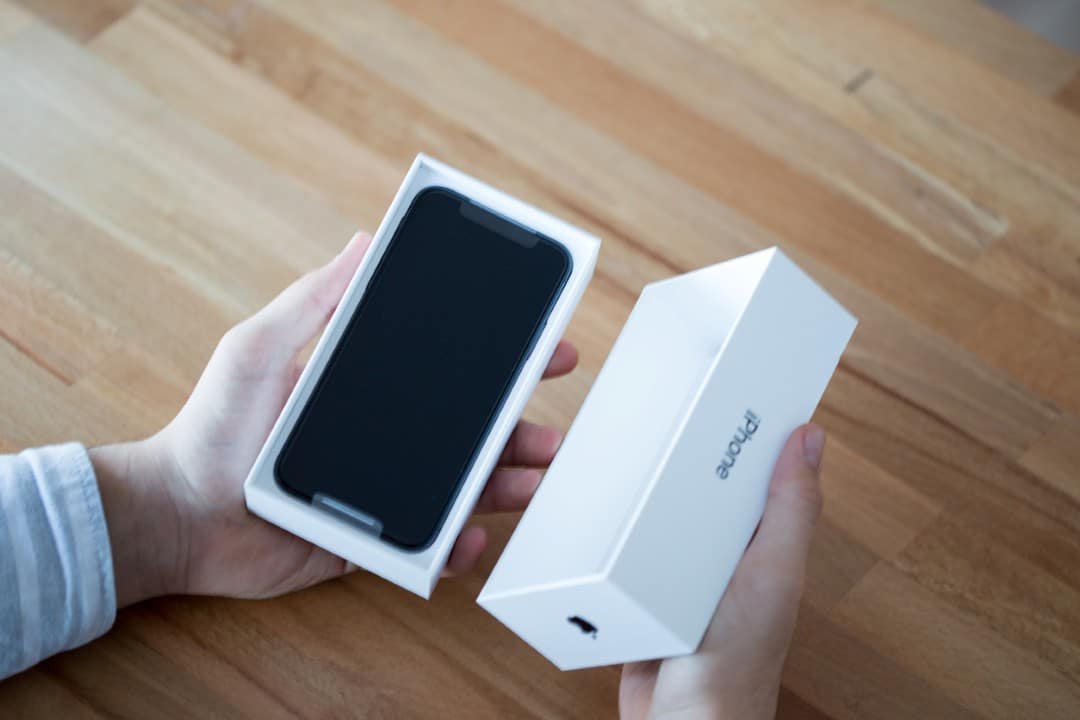
New information from supply chain sources indicates that Apple is preparing for a significant visual change in its upcoming high-end smartphones. Rumores point out that the iPhone 18 models Pro and Pro Max, scheduled for the second half of the year, will feature a considerably smaller
The change would be a direct result of advances in sensor technology positioned under the display panel, allowing essential components of the Face ID facial recognition system to be hidden from the user’s view. Well-known industry insider Ice Universe was one of the first to disclose details about this evolution, suggesting an approximately 35% reduction in the size of the physical cutout visible on the display.
This evolution represents the most notable change to the front design of the Pro line since the introduction of the Ilha Dinâmica itself, replacing the old notch. Optimizing screen space aims to improve the content consumption experience and interaction with the operating system, freeing up more usable area for notifications and status icons at the top of the device.
On the same topic: IPhone 18 Pro will have Face ID under the screen and a smaller Dynamic Island, new leaks from Apple show
The technology behind cutout miniaturization
The feasibility of a smaller Ilha Dinâmica is intrinsically linked to the Apple’s ability to integrate Face ID components directly under the pixel layer of the OLED screen. The main innovation consists of moving the infrared illuminator and proximity sensors to a hidden position behind the display. Essa hardware relocation eliminates the need for such an extensive physical opening, allowing the company to reduce the cutout to an estimated width of 13.5 millimeters, compared to the iPhone 17 Pro’s current 20.7 millimeters. Essa complex engineering requires very high quality OLED panels, capable of allowing the passage of infrared light without distorting the displayed image or compromising the accuracy of the biometric authentication system. The front camera, however, would remain in a visible circular cutout, maintaining the central symmetry that has become a visual signature of the device. Este advancement is a crucial intermediate step in the Apple’s long-term roadmap, which ultimately aims for a truly “all-screen” design, where all sensors and the front camera are completely invisible under the screen when not in use.
Exact dimensions and the new look of the screen
The specifications that have emerged indicate a precise change in the dimensions of the cutout. The move from 20.7mm to 13.5mm may seem subtle on paper, but it will result in a noticeable gain in screen area on both sides of the Ilha Dinâmica. Esse additional space will be utilized by iOS to display more status icons, such as Wi-Fi connection indicators, cellular signal, and battery level, without the need to compress or hide them, offering a more informative and cleaner status bar.
It is essential to highlight that, although the physical “resting point” of the cutout will be smaller, the software functionality of the Ilha Dinâmica will be maintained and improved. The area will continue to expand fluidly to display alerts, live activity, music controls, and other contextual information. Reducing the physical component only makes the interface less intrusive when no activity is being displayed, improving immersion when viewing full-screen videos, games and other applications that benefit from a more continuous screen.
Segmentation strategy for the iPhone 18 line
The Apple should use this design innovation as a strong differentiator for its more expensive models. The expectation is that the reduced Ilha Dinâmica will be an exclusive feature of the Pro and Pro Max versions, while the standard models of the iPhone 18 line may inherit the design of the previous generation or present a less significant optimization. Essa resource segmentation strategy reinforces the premium positioning of Pro devices.
This differentiation helps justify the price difference between the models, attracting consumers looking for the most advanced technology and the most refined design available in the brand’s ecosystem. The exclusivity of the feature serves as a powerful selling point for the upgrade.
In addition to the screen, the Pro models are expected to bring other significant hardware improvements, such as the new A20 Pro processor. Fabricado on a 2-nanometer process, the chip promises leaps in energy efficiency and processing power, especially for artificial intelligence tasks performed locally on the device.
More on this story: Apple prepares visual redesign with integrated glass and aluminum for the iPhone 18 Pro line
How the user experience will be improved
The main advantage for the end consumer will be a more immersive and functional user experience. The 35% reduction in visual obstruction at the top of the screen means less distraction when watching movies, series or playing graphics-intensive titles. The screen will appear larger and more expansive, even if the physical dimensions of the device remain similar to previous generations. The extra area for status icons also improves everyday usability by providing more information at a glance.
For app developers, the change opens up new possibilities. With a cleaner screen area at the top, they will be able to design interfaces that make better use of vertical space, creating more balanced and aesthetically pleasing layouts. The consistency of Ilha Dinâmica as an interactive element ensures that applications already optimized for the function continue to function perfectly, now with a less prominent visual base.
The durability and quality of the screen are points of attention. Apple will need to ensure that the new OLED panels, which allow light to pass through to the sensors, do not compromise brightness, color accuracy or resistance to scratches and impacts. The expectation is that the company will use advanced materials to maintain the high quality standards of its displays.
Learn more: IPhone 18 Pro could have the biggest upgrade in years with 2nm chip and revolutionary camera
The security of the Face ID will also remain a top priority. The relocation of components should not affect the speed or reliability of the authentication system, which remains one of the most secure facial recognition methods on the smartphone market.
Launch and the path to full screen
Following its traditional schedule, Apple is expected to officially announce the iPhone 18 line at its special September event. The availability of new devices in stores generally occurs a few weeks after the presentation, consolidating the launch window at the beginning of the last quarter of the year. The introduction of the smaller Ilha Dinâmica is seen by analysts as the penultimate step before achieving the goal of a screen without any type of cutout.
Experts like Ross Young, known for his accurate predictions about the display industry, suggest that the technology to hide the front camera with acceptable photo quality still requires further development. Portanto, the smaller cutout solution for the 2026 models represents the ideal balance between aesthetic innovation and technical functionality for the current market moment.
Learn more: Leaks detail visual change and unprecedented color integration on the back of the iPhone 18 Pro
Other expected hardware improvements
In addition to the new A20 Pro processor and the renewed front design, the iPhone 18 Pro models are expected to receive an increase in the amount of RAM memory. Esse upgrade is essential to support the growing demands of multitasking and, mainly, to enhance the artificial intelligence resources that run directly in the operating system, ensuring a faster and more responsive experience.
Improvements to the camera system are also expected, possibly with new sensors and improved image processing capabilities, taking advantage of the power of the new chip. The efficiency of the A20 Pro’s 2nm process should also contribute to greater battery life, even with the increase in the device’s overall performance.
The role of panel suppliers
Developing such an advanced display is not an exclusive effort by Apple. The company works closely with its leading OLED panel suppliers such as Samsung Display and LG Display. Essas companies are responsible for manufacturing displays that meet the rigorous technical specifications required for implementing sensors under the screen.
Competition between these suppliers to secure Apple contracts drives innovation in the industry, resulting in increasingly sophisticated display technologies. The success of the iPhone 18 Pro will directly depend on the ability of these partners to mass produce the new panels with consistent quality and yield.