
New The Witcher 4 could have a record budget of US$776 million according to industry analysts By Carolina Costa
4 min read
 |
A market analysis carried out by Polish expert Mateusz Chrzanowski projects an unprecedented financial scenario for the next major launch of CD Projekt Red. The estimate indicates that the total cost for the development and promotion of The Witcher 4 could reach the mark of US$776 million, a figure that places the project among the most expensive in the history of the video game industry.
The projection details a balanced division of resources, with US$388 million allocated to the game’s direct production costs and an identical amount allocated to global marketing campaigns. Essa massive investment strategy highlights the Polish studio’s ambition to establish a new standard of quality and reach for the acclaimed franchise.
To put the value in perspective, the total cost of The Witcher 3: Wild Hunt, released in 2015, was approximately $81 million. The nearly tenfold increase in budget signals not only the growth of CD Projekt Red, but also the escalation of costs for high-caliber productions in the contemporary gaming market.

The new production scale of CD Projekt Red
The budget jump predicted for the new chapter of the saga is one of the most discussed topics among developers and enthusiasts, reflecting the growing complexity of AAA productions. Esse expanded investment allows the Polish studio to explore new technological and narrative frontiers, with the aim of delivering an even more immersive and detailed experience.
Growth is not limited to the financial aspect. The team dedicated to the project, internally known as Polaris, already has 447 professionals, a number significantly larger than the 240 developers who worked on The Witcher 3.
Factors that increase costs in the gaming industry
The continued increase in AAA game budgets is driven by a combination of factors. The quest for ultra-realistic graphics, vast open worlds and innovative gameplay systems requires advanced technologies and larger, more specialized development teams.
The technical complexity of creating multi-branching narratives, where player choices have real consequences, also contributes to longer and more costly development cycles. Optimizing for multiple platforms and ensuring a stable launch are priorities that require significant investment.
Additionally, marketing expenses have become a fundamental pillar for the commercial success of a launch. In a saturated market, robust advertising campaigns, cinematic trailers and strategic partnerships are essential to capture global audience attention and ensure return on investment.
Confirmed details about the new chapter of the saga
Officially announced by CD Projekt Red in 2022, the new game will begin a new trilogy within the universe of The Witcher, following the events of The Witcher 3: The title redefined the action RPG genre upon its release and established a level of quality that the studio is now seeking to surpass.
In late 2024, a brief teaser was released, generating great excitement and speculation among the fan community. Although the video did not reveal gameplay details, it was enough to confirm the tone and visual direction of the project, raising expectations for future revelations.
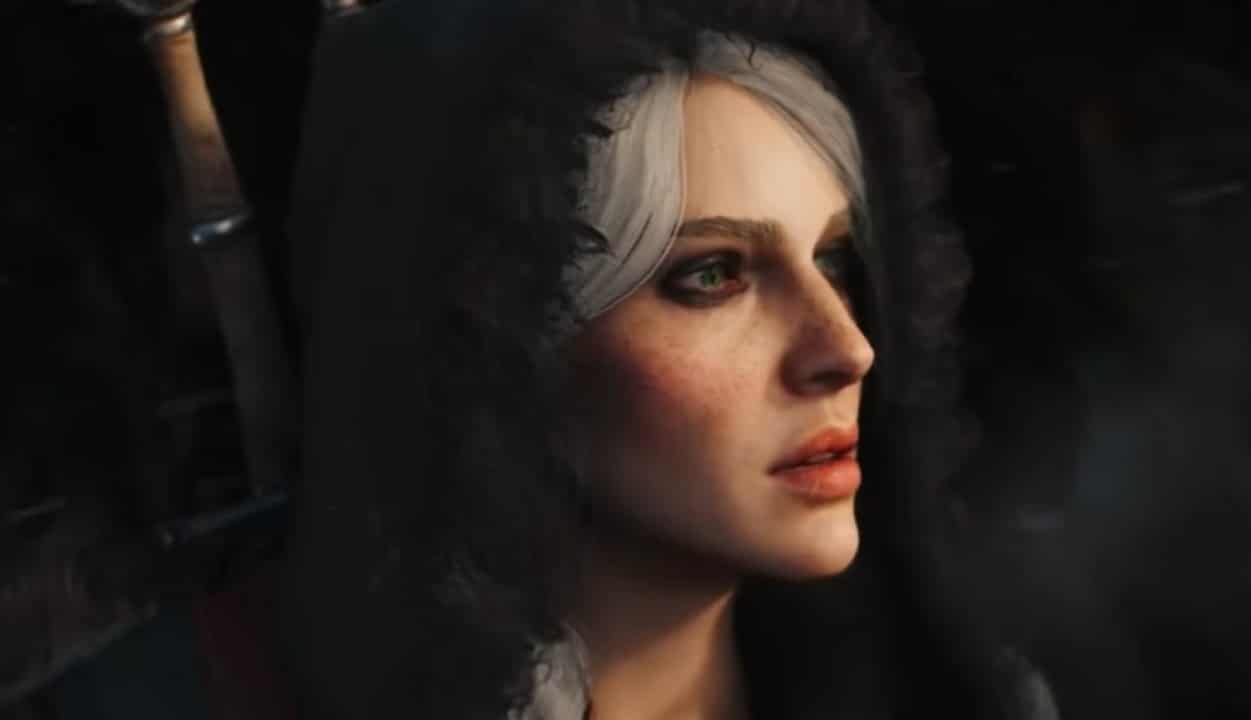
One of the most significant changes already confirmed is the transition of the protagonist to Ciri. The decision to focus on Filha’s journey from Surpresa offers a new perspective on the saga, exploring their unique abilities and their central role in Continente’s destiny.
Despite the change in focus, CD Projekt Red ensured that Geralt from Essa approach aims to ensure the continuity of the universe and connect the new trilogy to the legacy already established.
Expectations and pressure on the studio
The development of a project with a scale of The Witcher 4 involves complex technical and managerial challenges. Managing a team with hundreds of professionals, integrating new technologies such as Unreal Engine 5 and maintaining narrative coherence with the franchise’s rich lore are tasks that require meticulous planning. The pressure to surpass the success of The Witcher 3 and meet the high expectations of gamers and investors is a constant factor, especially after the troubled launch of Cyberpunk 2077, which served as a valuable lesson for the studio.
CD Projekt Red, known for its dedication to the quality and depth of its worlds, is applying learnings from past projects to refine each stage of development. The objective is to deliver a title that not only justifies the monumental investment, but that also redefines the standards of the RPG genre, consolidating the franchise’s position on the global stage and reaffirming the public’s confidence in the studio’s capacity for innovation.
The legacy of the Geralt universe by Rívia
The The Witcher game series has gained a global fan base by presenting the journey of Geralt from Navegando through warring kingdoms, political intrigue and supernatural threats, Geralt seeks his place in a society that fears and despises him. Throughout their adventures, players are faced with complex dilemmas, where the line between good and evil is often blurred and true monsters often take on human forms. Personagens as Vengerberg’s sorceress Yennefer and protégé Ciri became central figures, with their destinies intertwined with the wizard’s. The ability to shape the narrative through meaningful choices has become a hallmark of the franchise, offering a depth that resonates strongly with players.
Future of the franchise on the gaming scene
The enormous anticipation surrounding the new The Witcher demonstrates the enduring strength of intellectual property. With such a significant investment, CD Projekt Red signals its long-term commitment to expanding this universe, with plans already confirmed for a new trilogy, ensuring that fans will have plenty of stories to explore in the coming years.