
Ambitious project recreates Rio de Janeiro with realistic details for a new game on Unreal Engine By Carolina Costa
5 min read
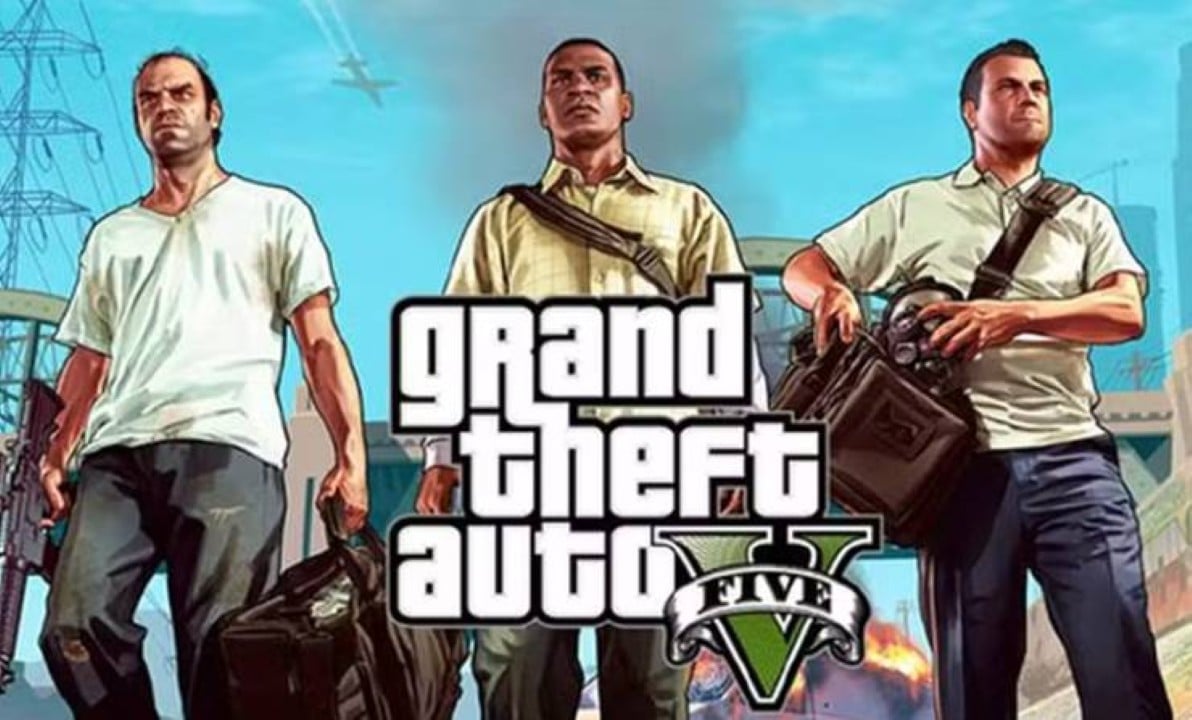 |
A project that began as a modification for the acclaimed game GTA V is evolving into an independent game, with the aim of recreating the city of Rio from Janeiro and its metropolitan regions with an unprecedented level of detail. Liderada by 21-year-old Rio de Janeiro developer Wengel Hiago, the initiative uses cutting-edge technology to build a full-scale map, which promises total immersion in the daily life of the capital of Rio de Janeiro.
What was previously limited to customizations of police vehicles and Brazilian uniforms has now transformed into a complete digital universe, developed on the modern Unreal Engine 5 platform. The transition was driven by the enormous repercussion of test videos on social media, which attracted the attention of thousands of players and enabled partnerships to accelerate production.
The future game will be distributed free of charge and will have a completely online format, allowing players to create their own narratives in a shared virtual environment. Fidelity in the representation of streets, buildings and local culture is the main pillar of development, which seeks to fill a gap in Brazilian representation in the open world games scene.
The technology behind Rio realism
Building such a vast and detailed map is only possible thanks to the use of advanced mapping and graphic rendering technologies. The basis for recreating the city comes from a 3D scan carried out by Instituto Pereira Passos in 2019, which provided a “point cloud” with precise data on the relief, buildings and road network of Rio and Janeiro. Esse material serves as a digital skeleton upon which the development team applies textures, lighting and the elements that bring the scene to life. One of the most complex technical challenges is adapting this data, which considers the curvature of the Terra, to the flat environment of game engines. Para this, specific cartographic projections are applied that guarantee the correct proportion of distances and the absence of distortions. The migration to Unreal Engine 5 was a crucial step, as the platform offers tools such as Nanite, which allows the use of 3D models with millions of polygons without a major impact on performance, and Lumen, a dynamic global illumination system that provides photographic realism to scenes, adapting in real time to changes in daylight and artificial sources. The work, however, goes far beyond technology, requiring a meticulous artistic effort to avoid the repetition of textures and objects, ensuring that each neighborhood has its visual identity preserved.
From modifying GTA V to an independent universe
The project’s journey began about three years ago, with Wengel Hiago creating small modifications for GTA V.
However, the developer felt the lack of a map that authentically represented Brasil, especially his hometown. The existing modifications, although they added Brazilian elements, did not capture the scale and complexity of Rio’s neighborhoods.
The turning point occurred in January 2025, when he decided to start reproducing the neighborhood of Irajá, in Zona Norte. The initial tests were so promising that the scope was quickly expanded, and the release of the first results generated a wave of online engagement.
Videos demonstrating the map’s potential reached millions of views, and Wengel’s profile on Instagram jumped to almost 50 thousand followers. Esse’s success attracted a partnership with a specialized platform, which provided the necessary resources to transform the mod into a complete and independent game.
Details that build immersion
The search for fidelity to everyday life in Rio is what sets this project apart. The development team pays special attention to the small details that make up the urban landscape, elements that are instantly recognizable to residents and that provide deep immersion for players from other regions. Isso includes exact reproductions of the Polícia Militar and Guarda Municipal car liveries, as well as the uniforms used by local security forces, based on the latest models.
In addition to public security elements, the fleet of civil vehicles also reflects the reality of Brazilian streets, with popular car models, buses with public transport company layouts and even service vehicles, such as ambulances and garbage trucks. Road signage, with traffic signs, street names and pedestrian crossings, follows national standards, contributing to the authenticity of the environment. The textures of sidewalks, building facades and walls are varied to avoid the feeling of a repetitive scene, seeking to capture the architectural diversity and natural wear and tear of the city.
Attention to detail extends to the interiors of public places. In the initial phase, the focus is on high-traffic areas, such as bus terminals, metro stations and airports, which will be fully exploitable. The inclusion of these spaces is fundamental to creating a dynamic and realistic gaming experience, where players can interact with the environment in a meaningful way.
A map that goes beyond the capital
The geographic scope of the project is remarkably ambitious, reaching far beyond the city limits of Rio of Janeiro. The team’s vision is to represent a significant portion of the state, including important municipalities in Região Metropolitana.
Densely populated areas of Baixada Fluminense, such as Duque of Caxias and Nova Iguaçu, are in planning, as is the city of Regiões mountains like Petrópolis and coastal areas like Mangaratiba are also part of the extended map.
This expansion seeks to offer a diversity of scenarios and experiences, allowing players to travel on highways, explore different urban centers and visit varied natural landscapes, all within the same game universe.
The work required for this expansion is monumental. The team estimates that even with ten dedicated professionals, completing a single detailed neighborhood can take up to six months, demonstrating the commitment to the quality and complexity of the development.
The gaming and distribution model
Access to the game will be via the Helix platform, which will be available free of charge on Steam. Essa strategic choice aims to democratize access and build a large community of players since launch.
Initially, the title will be exclusive to PC, but the developers do not rule out the possibility of releasing versions for consoles in the future, depending on the success and technical feasibility of the project.
The community as a pillar of the project
Community engagement has been a determining factor in the progress of the project. Desde the first videos, player feedback has been fundamental in refining details and defining priorities in development.
Social networks function as a direct channel of communication, where the team shares progress and receives suggestions, creating a sense of collaboration that keeps the public invested and eager for news.
Future expansion prospects
With a solid foundation in development, the project already envisions future updates that could include even more accessible interiors and new game mechanics. The map’s modular structure allows new areas and features to be added continuously, ensuring the longevity and constant evolution of Rio’s virtual universe.