Alex Honnold performs historic free solo climb on Taipei 101 without ropes or equipment in Taiwan
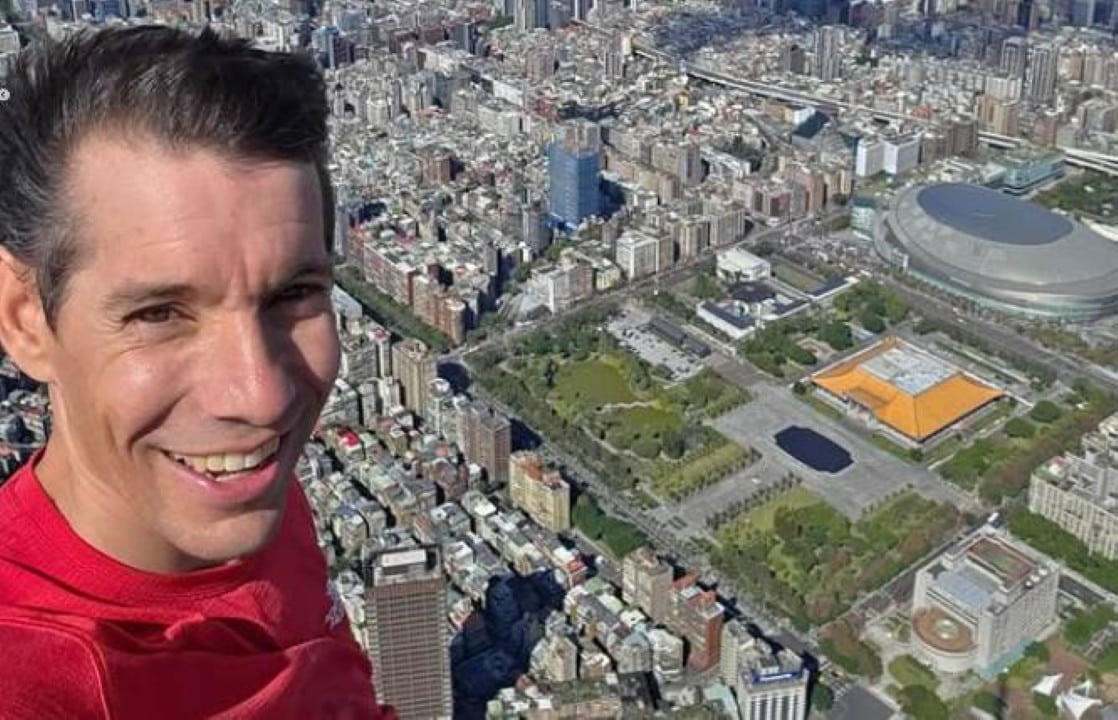
American climber Alex Honnold successfully completed the climb of Taipei 101, the tallest building in Taiwan, in free solo style. The ascent took place on Sunday, January 25, 2026, at Taipei, without using ropes, harnesses or any protective equipment. The event lasted approximately an hour and a half and was watched by thousands of spectators on site and millions via live broadcast.
The climb represented a milestone in the career of the 40-year-old athlete, known for challenging limits in high-risk ascents. Honnold reached the top of the 508-meter skyscraper and celebrated with his arms raised in front of the audience at the base of the tower.
The event, originally planned for the previous day, was postponed due to adverse weather conditions. The organization adjusted the schedule to ensure maximum safety in the available conditions.
- The climb started on the external facade of the building.
- Honnold only used special shoes and a magnesium bag.
- Hundreds of people gathered in the lower square to watch the progress.
- The transmission took place on a global streaming platform.
Ascension Details
Alex Honnold started the climb in the morning at Taipei local time. Ele progressed steadily through the glass and steel structure of Taipei 101, taking advantage of the architecture’s natural protrusions and fulcrums. The climb required total concentration, as any mistake could result in a fall of hundreds of meters.
The climber maintained a controlled pace throughout the 101 floors. Observadores report that he paused briefly at some points to evaluate the next route. The experience accumulated in rock walls directly contributed to the success of the urban project.
At the top, Honnold stayed for a few minutes enjoying the panoramic view of the Taiwanese capital. Equipes support staff waited on the terrace to welcome the climber at the end of the route.
Trajectory of Alex Honnold
Alex Honnold has decades of experience in high-level climbing. Ele gained worldwide recognition in 2017 by completing the free solo ascension of El Capitan, in Parque Nacional of Yosemite, in Estados Unidos. Aquela climb of almost 900 meters also required no safety equipment and inspired an award-winning documentary.
The American regularly participates in projects that combine extreme sports and environmental awareness. Honnold founded an organization dedicated to preserving natural areas and promoting sustainable energy. Suas route choices always prioritize high technical challenges.
Several previous ascents prepared the athlete for the Taipei 101. Ele trained specifically in the previous weeks, studying the building’s facade and simulating movements. Preparation included detailed analysis of wind and grip on artificial surfaces.
Features of Taipei 101
Taipei 101 has held the title of tallest building in Taiwan since its opening in 2004. The structure reaches 508 meters in height including the antenna and has 101 floors above ground. The project incorporates advanced seismic resistance elements, essential in a region prone to earthquakes.
The skyscraper houses offices, a shopping center and a public observatory on the upper floors. The external design features layers reminiscent of bamboo, a cultural symbol of growth and flexibility. The central damper, a 660-ton sphere, minimizes oscillations during strong winds or earthquakes.
- Total height: 508 meters
- Floors: 101 above ground
- Opening: December 31, 2004
- Main function: offices and commerce
- Anti-seismic system: tuned mass damper
The building has hosted other cool climbs over the years. In 2004, Frenchman Alain Robert climbed the tower using safety ropes. Aquela ascent occurred in rainy conditions and marked the first recorded at the site.
Transmission and reception
The climb of Taipei 101 was broadcast live on an international streaming platform. Milhões of spectators followed Honnold’s progress across the facade in real time. The production included cameras positioned at different angles to capture details of the climb.
The event generated extensive global media coverage. Jornais and portals highlighted the feat as a unique combination of extreme sport and entertainment. Espectadores present at the base of the tower reported an atmosphere of expectation throughout the morning.
International audiences reacted positively on social media. Comentários emphasized the technical precision and courage demonstrated by the climber. The broadcast consolidated interest in documentation of real adventures.
Technical preparation involved
Honnold devoted months to analyzing the route on Taipei 101. Ele studied detailed photographs and videos of the facade to memorize sequences of movements. Specific Treinos simulated adhesion on smooth surfaces similar to the glass and metal of the building.
Weather conditions directly influenced the schedule. Ventos moderate conditions and clear skies allowed the event to take place on the set day. Equipes constantly monitored environmental parameters to authorize the start.
The climber used refined body positioning techniques. Cada hand and foot support has been designed to maximize stability. The experience in free soloing natural rock formations was efficiently transferred to the urban environment.
Context of urban climbing
Skyscraper climbing represents a distinct category within mountaineering. Diferentemente of mountains, artificial surfaces offer predictable grip but expose them completely to the wind. Honnold adapts traditional methods to these specific scenarios.
The Taipei 101 has already appeared in previous challenges due to its height and design. Autoridades locations have authorized the current rise with supplementary security measures at the top. The event respected all the rules established for activities of this nature.
Other famous climbers have completed similar ascents of iconic towers over the decades. Cada case contributes to the development of specific techniques in tall structures. Honnold’s achievement sets a new standard for free soloing in urban environments.
Legacy of the feat
Successful completion reinforces Honnold’s position as a global reference in free climbing. The detailed visual record will serve for future studies on technique and mental preparation. Jovens athletes cite their rises as a source of inspiration.
The Taipei 101 gains additional projection as a stage for historic sporting achievements. Visitantes of the observatory now associate the building not only with architecture, but also with the human limit reached on its facade. The combination of engineering and athletic performance stands out as a unique example.