
The used market sees a significant increase in the Chevrolet Malibu, which rises 21 positions in the sales ranking By Carolina Costa
5 min read
 |
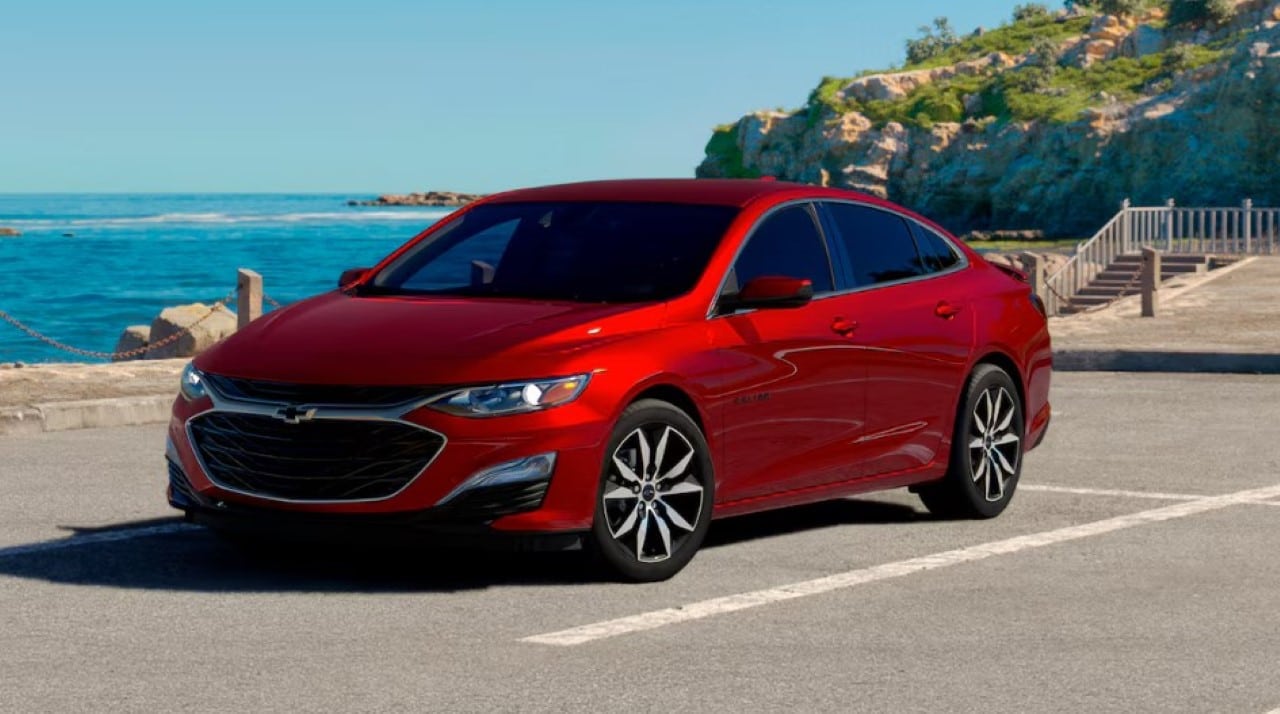
The pre-owned vehicle market in the Estados Unidos has seen a remarkable turnaround, with the Chevrolet Malibu emerging as an unexpected protagonist. According to a detailed study by iSeeCars, the General Motors sedan jumped 21 positions in the ranking of most popular used cars, moving from 29th place to eighth place overall. Essa meteoric rise reflects a significant change in consumer behavior, which seeks affordable and functional alternatives.
The analysis points out that the popularity of Malibu was driven by a combination of strategic factors. General Motors’s decision to end production of the new model generated a large volume of units on the secondary market, mainly from car rental companies that renewed their fleets. Esse influx of inventory, combined with a competitive price, made the sedan an attractive option compared to its direct rivals.
While traditionally dominant models like Toyota Camry and Honda Civic saw slight declines in their ratings, Malibu followed an opposite trajectory. The vehicle became the best-selling used car in four states, including Havaí and Arizona, demonstrating a strong regional preference and consolidating its new position among the ten most sought after by North American consumers.
Factors behind the rise of the Chevrolet sedan
The rise of the Chevrolet Malibu in the used car market was not an isolated event, but the result of a confluence of market events that created a unique opportunity for the model. The main reason was the end of its production line, a decision by General Motors that, paradoxically, increased its visibility and availability in the second-hand sector. Large car rental companies, which historically make up a significant portion of the Malibu fleet, have begun a massive process of liquidating their inventories. Essa action flooded the market with low-mileage vehicles in good condition, putting downward pressure on prices and creating an almost unbeatable value proposition for the end consumer. Diferente of other vehicles that lose appeal when they are discontinued, the Malibu benefited from its reputation as a reliable car with affordable maintenance, crucial factors for those buying a pre-owned car. The combination of low price, relatively modern technology and predictable operating costs positioned the sedan as the smart choice for families and individuals who needed efficient transportation without the high cost of a new car or similarly priced SUV.
The unshakable hegemony of pickup trucks in the North American market
Despite the impressive rise of the Malibu, the top used vehicle ranking continues to be a territory dominated by full-size pickup trucks, a reflection of North American automotive culture. The Ford F-150 maintained its undisputed leadership, appearing as the best-selling used vehicle in 32 states. Sua combination of versatility, load capacity and durability establishes it as the preferred choice for work and leisure, maintaining an extremely loyal customer base.
Just behind the F-150, the Chevrolet Silverado 1500 and the Ram 1500 complete the podium, reaffirming the strength of the three major Detroit manufacturers in this segment. Esse dominance shows that even with fluctuations in fuel prices and the growing popularity of SUVs, full-size pickup trucks remain the backbone of the automotive market. Brand loyalty and the perceived value of these vehicles guarantee their stability at the top of sales year after year.
Tesla maintains leadership in the pre-owned electric segment
In the growing niche of used electric vehicles (EVs), Tesla continues to exert almost complete dominance. The Model 3 stands out as the leader, accounting for 19.5% of all sales of pre-owned electric vehicles up to five years old.
Following closely, Tesla Model Y occupies second place with a 19.3% market share. Juntos, the company’s two models of Elon Musk represent almost 40% of total used EV transactions, demonstrating the strength of the brand and the high demand for its products even after the first cycle of use.
However, the competition is starting to gain traction. The Ford Mustang Mach-E solidified its position as the third most popular used electric car, achieving a 5% share, a sign that consumers are increasingly open to alternatives from traditional manufacturers.
The Volkswagen ID.4 also registered a notable advance, rising from ninth to fourth position in the ranking. The presence of models such as the Chevrolet Bolt and the Hyundai Ioniq 5 among the ten best sellers indicates a maturing market, with more options and greater competitiveness.
Regional Preferences Reveal a Diverse Automotive Map
The iSeeCars study highlights how purchasing preferences vary significantly by geography. In states such as Michigan and Indiana, strongly linked to the local automotive industry, the Chevrolet Equinox leads used sales, with a market share of up to 6.1%.
In contrast, in regions such as Alasca and Iowa, the Chevrolet Silverado 1500 manages to outperform the national leader Ford F-150. Esse phenomenon demonstrates that brand loyalty and specific needs, such as traction capacity in harsh climates, can change local market dynamics.
The success of Chevrolet Malibu is also geographically concentrated. No Havaí, the model achieved an impressive 4% share of the used car market, becoming the best-selling vehicle. Sua popularity is also accentuated in Virgínia and Arizona, areas where large fleets of rental companies are frequently renewed, making a large volume of units available to local consumers.
The performance of the Japanese giants in the ranking
Toyota reaffirms its strength and consistency in the used market, positioning four of its models among the twenty best-selling. Toyota Camry, a direct competitor to Malibu, occupies sixth position, showing the resilience of its consumer base.
Soon after, the Toyota Corolla appears in ninth place, while the Toyota Tacoma pickup truck and the RAV4 SUV occupy the tenth and eleventh positions, respectively. The strong presence of the Japanese brand demonstrates consumer confidence in its durability and low maintenance costs, factors that keep its vehicles in high demand in the pre-owned market.
Other highlights and movements in the top 20
The ranking of the 20 best-selling used vehicles also revealed other important movements. Hyundai Tucson, for example, had a significant improvement, jumping from 26th to 17th position, indicating an increase in acceptance and perception of quality of the South Korean brand.
Meanwhile, Ford demonstrated the diversity of its portfolio with the stable performance of Ford Explorer and Ford Escape. The presence of multiple models from different categories among the best sellers guarantees the automaker a solid position in various market segments, from pickup trucks to family SUVs.
The economic scenario and consumer behavior
The dynamics observed in the used car market were strongly influenced by the economic context, marked by higher interest rates and rising prices for new vehicles. Diante In this scenario, many consumers postponed the purchase of a new car, turning their attention to the pre-owned market as a more financially viable and intelligent alternative.


