
Coco Gauff advocates heightened player privacy after filmed racquet smash at Australian Open quarter-finals defeat

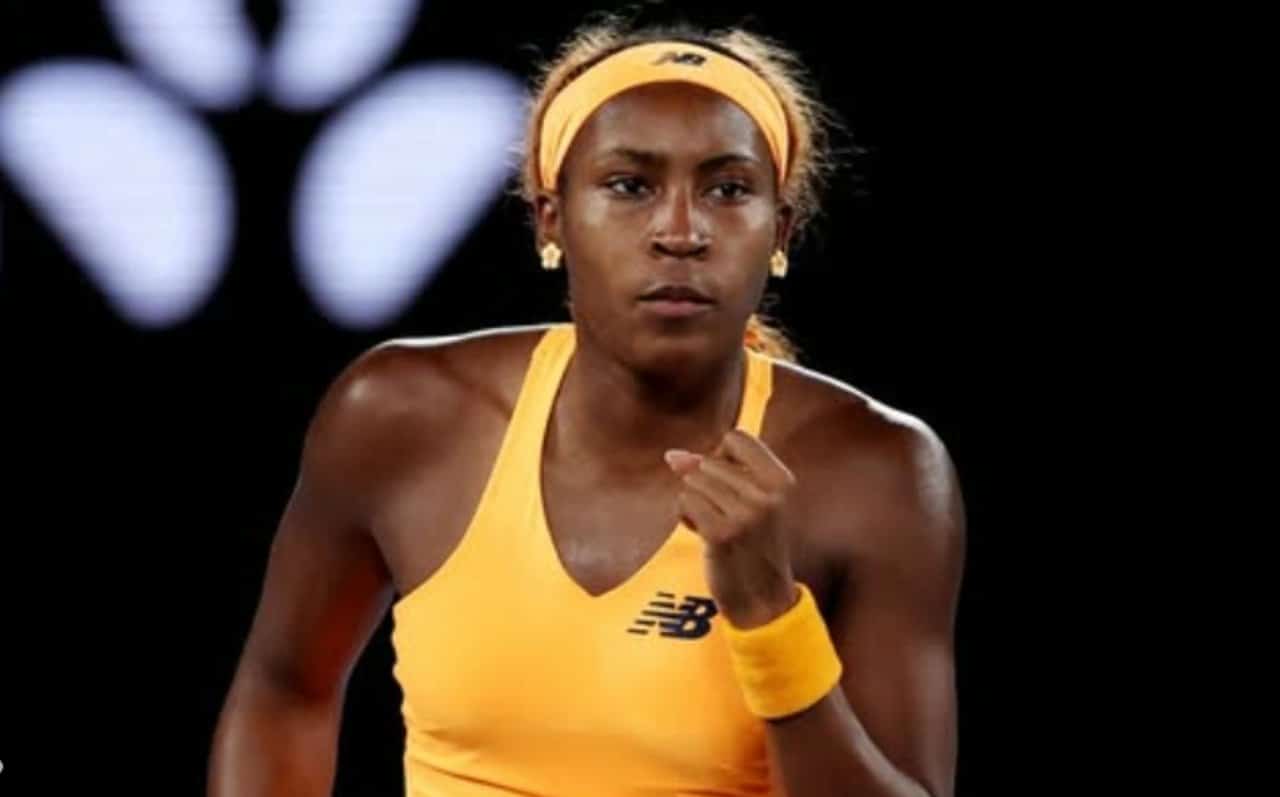
Tennis star Coco Gauff recently ignited a significant debate regarding athlete privacy following a candid incident captured on camera. After her emotional defeat by Elina Svitolina during the Australian Open quarter-finals, Gauff was filmed smashing her racquet, prompting a public plea for increased personal space for players, especially in moments of intense pressure and raw emotion on the court. Her comments have brought renewed attention to the delicate balance between public access to sports figures and their fundamental right to privacy, highlighting the immense scrutiny under which modern athletes operate in high-stakes environments.
The incident occurred after a hard-fought match that saw Gauff exit one of the sport’s most prestigious tournaments. Her frustration, a common sight in professional tennis, quickly became a flashpoint for a broader discussion on media scrutiny, underscoring the constant pressure athletes face in global competitions.
Many athletes face similar situations, highlighting critical aspects of their public lives:
* The constant surveillance during major tournaments.
* The pressure to maintain composure under extreme duress.
* The essential need for personal space away from continuous public view.
Calls for elevated athlete personal space
Gauff’s direct appeal for greater privacy resonated deeply within the tennis community and beyond. The young American emphasized the intense emotional toll of professional sports, where every victory and defeat is scrutinized, and personal moments of vulnerability can instantly become public spectacle. She suggested that while fans appreciate access, there should be clear boundaries, particularly in spaces often perceived as private, even within a public event.
Her statements are not isolated, echoing sentiments from other high-profile athletes across various sports who have previously highlighted the mental health challenges posed by relentless media attention. The constant glare of cameras can exacerbate stress, making it difficult for players to process losses or manage overwhelming emotions without immediate public judgment.
Scrutiny and emotional fallout post-defeat
Experiencing a devastating defeat at a Grand Slam, particularly at the quarter-final stage, carries immense emotional weight for professional tennis players. The culmination of weeks of training, travel, and intense competition often leads to peak emotional states, where disappointment can manifest in various ways, including visible frustration. Gauff’s reaction was a raw display of this human element.
The immediate capture and broadcast of such moments ignite calls for more privacy. Players dedicate their lives to these tournaments, and the emotional investment is profound, making moments of unfiltered reaction almost inevitable. This high-stakes environment demands resilience but also understanding from the public and media.
The pressure exerted during major tournaments like the Australian Open is unparalleled. Athletes compete not just for titles but also for ranking points, prize money, and their legacy. These extreme circumstances contribute to moments where maintaining perfect composure can be exceptionally challenging, leading to highly charged emotional displays.
Player privacy in the public eye
The discussion sparked by Coco Gauff highlights a perennial tension between the public’s desire for unfiltered access to athletes and the athletes’ need for personal well-being. Sports organizations and media outlets traditionally aim to provide comprehensive coverage, believing it enhances fan engagement and the overall spectacle of the event.
Addressing mental strain in elite tennis
Finding an equilibrium requires rethinking current practices regarding camera placement and access in player-only areas or moments immediately following high-intensity matches. It involves establishing clearer guidelines that respect players’ moments of vulnerability while still delivering compelling content to audiences worldwide. The challenge lies in innovating coverage methods that are both engaging and ethically responsible, protecting the athletes’ human dignity without compromising the sport’s integrity.
Gauff’s comments have spurred a necessary conversation about the evolving culture of professional sports and the responsibilities of stakeholders. It’s a moment for self-reflection for governing bodies, broadcasters, and even fans about the boundaries of observation. The expectation that athletes should be perpetually composed, even in the face of profound personal disappointment, may be unrealistic and detrimental to their long-term mental health, pushing for a more compassionate approach.
Media access and future policy considerations
The plea from a prominent young athlete like Coco Gauff could lead to tangible changes in how media access is structured at major sporting events in the coming years. While immediate alterations might not be evident, her public statement adds significant weight to ongoing discussions within sports federations about player welfare. This movement towards greater sensitivity could influence policies regarding camera angles, restricted zones, and the real-time sharing of highly emotional content during crucial moments of competition and beyond.
Potential adjustments that may be considered include:
* Tournament organizers may review existing media guidelines to prevent intrusive filming.
* Discussions about designated “private zones” for players could gain traction among athletic bodies.
* Broadcasters might explore delayed broadcasts for certain sensitive moments to allow athletes to regain composure.
* Athlete advocacy groups are likely to leverage this momentum for policy changes aimed at enhancing privacy.
Such adjustments would aim to create an environment where athletes feel more protected, potentially contributing to their overall mental resilience and career longevity. The ultimate goal is to maintain the excitement of sports while fostering a respectful space for the individuals who bring the games to life, ensuring their well-being remains a top priority.
The growing movement for athlete well-being
Athlete advocacy for mental health and personal boundaries has significantly increased in recent years, with many stars openly sharing their struggles and calling for systemic changes. Gauff’s recent remarks are part of this larger movement, which seeks to destigmatize mental health issues in sports and ensure that players are afforded the same basic dignities as individuals in other professions. This push is fundamentally reshaping expectations for how athletes are perceived and treated globally.
The tennis community, alongside other major sports, is increasingly recognizing the importance of player well-being not just as a moral imperative but also as a factor in sustaining high-level performance. Providing a safer and more private environment for athletes to manage their emotions, especially after competitive setbacks, is becoming a key area of focus for sports organizations aiming to support their talent effectively.
Redefining ethical sports coverage
The conversation initiated by Gauff extends into the broader realm of sports ethics and the responsibilities of media coverage in the digital age. With omnipresent cameras and instantaneous sharing, every moment is potentially public, leaving little room for unfiltered human reactions. This constant scrutiny raises questions about what constitutes fair and ethical reporting, especially when dealing with the raw emotions of individuals under extreme pressure.
Balancing the public’s right to know and the media’s role in reporting with an individual’s right to privacy remains a complex challenge. The incident involving Gauff highlights the need for ongoing dialogue among athletes, sports federations, media organizations, and even fans to collectively define acceptable boundaries that respect all parties involved. A more nuanced approach could ultimately benefit all parties, fostering a healthier ecosystem for professional sports where both competition and humanity are celebrated.





