

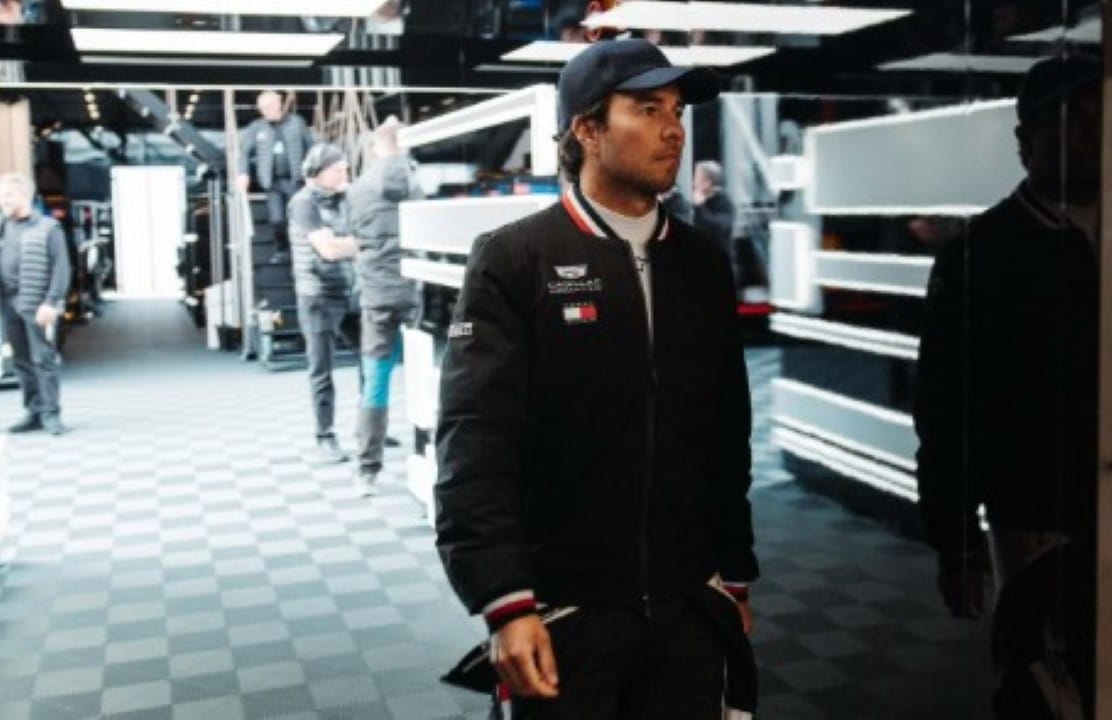
The first questions about the design of the Cadillac for the
From 2026, the new team will share the grid with the ten current teams. The problems reported by driver Sergio Pérez are considered part of an expected process for a structure that is simultaneously developing both the chassis and the power unit. Valtteri Bottas, who also participated in the sessions, provided similar feedback about the initial unreliability of the set.
The tests, which have been taking place at Barcelona since the beginning of the week, are primarily focused on data collection over pure performance. The Cadillac prioritizes resolving design limitations identified in the early stages, establishing a solid foundation for the future development of the car that will compete in the main category of world motorsport.
Regulatory changes for the new era of F1
The 2026 regulation introduces power units with a much greater share of electrical energy, fundamentally changing the dynamics of cars. The hybrid system gains significant power, while the internal combustion engine’s contribution is reduced and will run exclusively on 100% renewable fuels, a milestone for sustainability in the category. Essas changes require a completely new approach to systems design and integration.
The chassis also received important changes with the aim of reducing total weight and aerodynamic drag, aiming to facilitate overtaking and make competition between cars more fierce. Established teams will need to adapt concepts developed since 2022, but the Cadillac faces the additional challenge of starting from scratch in all technical aspects, from the engine to aerodynamics, without a basis for direct comparison with previous models.
Operational challenges for a debuting team
In parallel with complex technical development, Cadillac is focused on building its internal processes, a task as critical as car design. Departments need to adjust workflows between the factory and the track to enable quick, effective decision-making during practice sessions and races, something that established teams have taken years to perfect. Unlike the already established teams, the North American structure is validating fundamental components while creating its standard operating procedures, which doubles the initial workload.
The initial program in Barcelona divides tasks between diagnosing faults and collecting essential data to guide next steps. The team is mapping reliability gaps in different systems, testing the engine and battery with variations in the power map, making initial ergonomic adjustments for drivers and checking the integration of crucial components such as brakes and steering. Essas activities are the foundation that will drive development in the coming weeks of testing, ensuring that each problem identified is a lesson learned for the future of the project.
Limited mileage on the Spanish circuit
During the first few days on the Espanha, the Cadillac completed limited mileage, which was expected. In one of the sessions, Valtteri Bottas managed to complete more than 30 laps in the morning, a number considered reasonable for such an early stage. Contudo, Sergio Pérez completed just over ten laps in total during the afternoon of the same day, highlighting the interruptions caused by technical problems.
The team’s top priority remains building reliability. Cada completed lap, however slow it may be, contributes to the formation of a robust database that will serve as a guide for future project updates and corrections. The strategy is clear: build a solid foundation before seeking performance.
Engineers are organizing sessions to attack specific areas of the project in a methodical way. Quando limitations arose, the team chose to resolve the identified issues immediately rather than forcing more turns and risking further damage to components, a prudent and strategic approach for a long-term project.
The contribution of experienced pilots
The choice of pilots like Sergio Pérez and Valtteri Bottas was not by chance. Pérez brings the latest experience from a top team, Red Bull, offering valuable insights into what it takes to compete at the highest level. In turn, Bottas spent years working on both champion structures and reconstruction projects, which makes him fundamental in the formation phase of Cadillac, helping to shape processes and direct technical development with his vast background.
Both drivers provide detailed feedback on the car’s stability in corners at different speeds and on the response of the new hybrid system. Detailed reports help engineers fine-tune initial mechanical settings and quickly identify areas that need more attention, accelerating the team’s learning curve and ensuring development heads in the right direction from the start.
Initial focus on problem solving
Cadillac focuses its efforts on diagnosing technical problems from the first moments on the track. Failures in the power unit and electronic systems are seen as a normal part of developing a completely new project, especially under such complex regulations. Pérez described the presence of failures in multiple components, but considered the day positive, as it allowed early identification of weak points. The team uses this information to correct course before moving on to more performance-focused testing.
Organizational and logistical preparation
Establishing efficient communication between the factory and the track team represents an additional challenge for Cadillac. Real-time decision-making routines during testing require perfect synchronization between different sectors of the team. The North American structure is building its departments from scratch while validating the car, a double task that distinguishes its project from traditional teams, which only adapt existing structures. Internal fine-tuning is as important as technical advancement, and the sessions in Barcelona also serve to test these operational flows, in addition to mechanical and aerodynamic components.
Prospects for the development of the car
The Cadillac car uses aggressive aerodynamic concepts, in line with new regulations. Reducing aerodynamic drag is one of the main objectives to improve wheel-to-wheel competition, as per the regulation’s goal. The integration between electric and combustion engines receives special attention during tests, with power maps being constantly varied to collect information under different conditions of use. The tuning of the suspension and steering system also undergoes continuous verification, with feedback from the drivers guiding modifications that balance performance and handling, seeking the best compromise for the 2026 car.