Mercedes officially presents the W17 for 2026 with total focus on reliability and electric engine

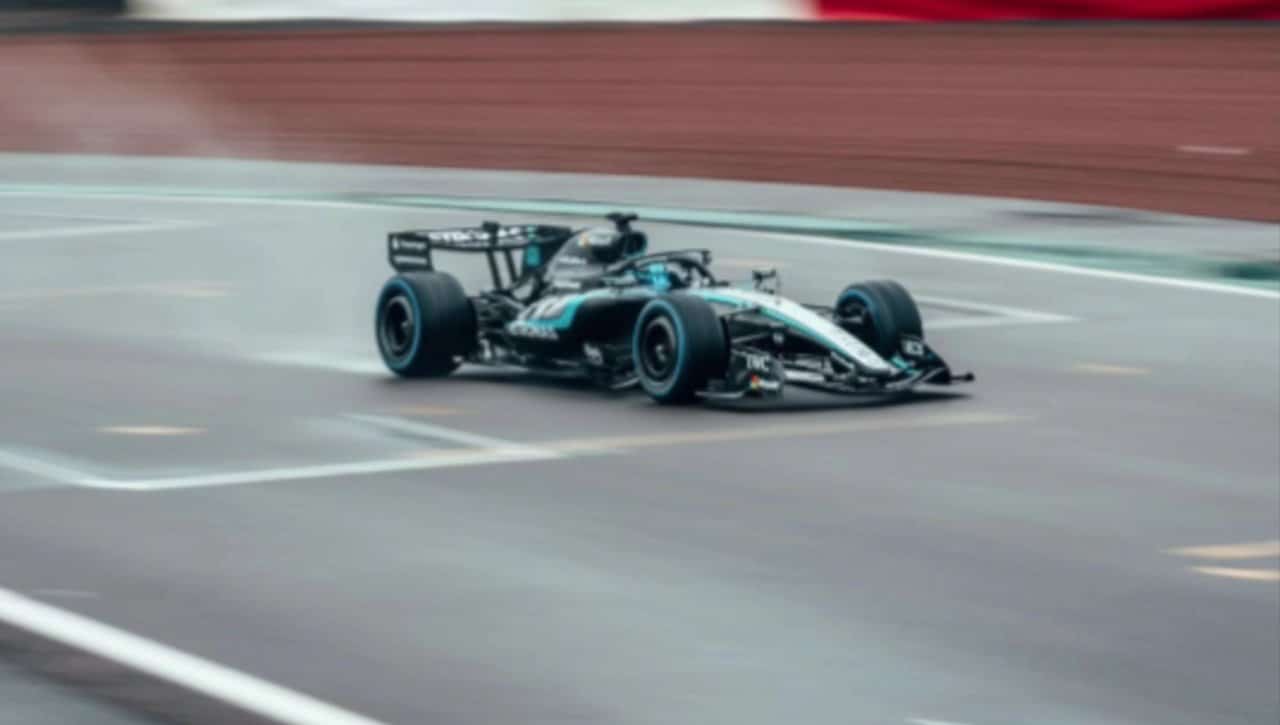
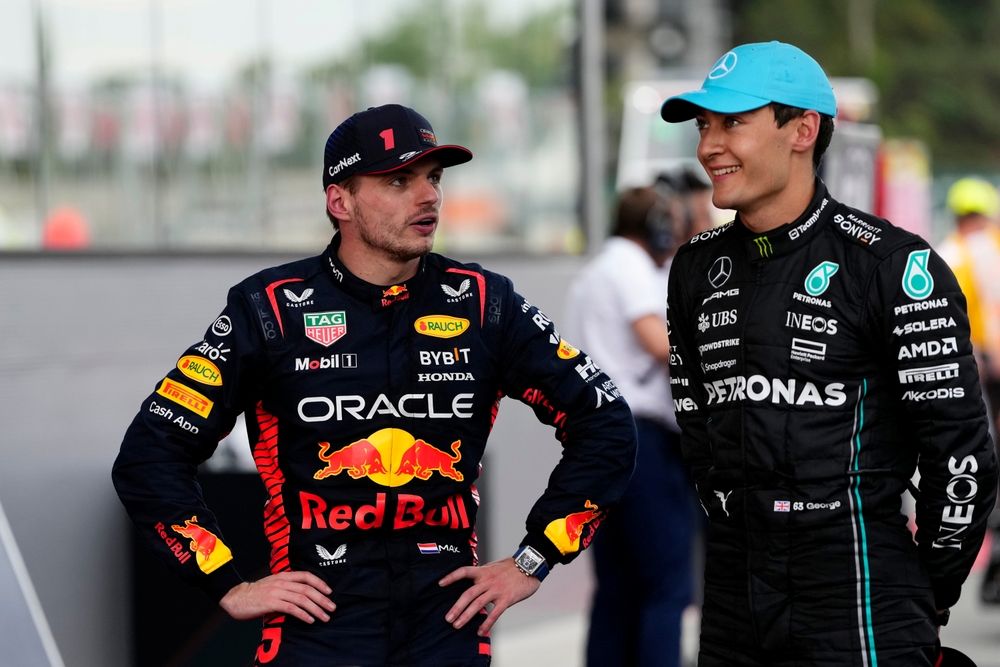
The team Mercedes-AMG With the presence of pilots George Russell and Andrea Kimi Antonelli, in addition to the technical leadership led by Toto Wolff and
The central focus of development for this year lies on the integration of the new power unit, which now operates with a balanced distribution between internal combustion and electrical energy. Mercedes opted for a technical ceremony, detailing the challenges of building a car that is visibly smaller and more agile than its predecessor. Durante the presentation, the team highlighted that the transition to 100% sustainable fuels, supplied by Petronas, required a complete restructuring of the engine’s fluid dynamics to ensure maximum energy efficiency on the tracks.
Technical innovations and compact design of the new single-seater
The W17 design reflects the requirements of the new Federação Internacional and Automobilismo rules, resulting in a more compact and aerodynamically refined chassis to reduce drag. James Allison, the team’s technical director, explained that reducing the car’s dimensions was a priority to improve response on winding circuits and optimize airflow to the rear. The new design also includes deeper integration between the energy recovery system and the structural components of the chassis, aiming for ideal weight balance.
- The new chassis features a significant reduction in wheelbase to increase agility in low-speed corners.
- The front wing and ventilation ducts have been redesigned to minimize turbulence and improve track pursuit.
- The cooling system has been optimized to deal with the greater thermal demand arising from high-performance batteries.
- The official livery, already revealed previously, uses low weight materials to help in the search for the minimum mass limit required.
Strategic partnership and the role of new fuels
Petronas played a key role in the development of the W17, providing lubrication technologies and fuels aimed at carbon neutrality. The manufacturer explained that the new sustainable gasoline has distinct chemical properties, which directly influenced the ignition map and thermal performance of the power unit. Esse technical alignment is seen as crucial by Mercedes, as the performance of the electric motor now represents almost half of the competition vehicle’s total power.
Toto Wolff highlighted that the complexity of manufacturing a fuel that maintains high performance while meeting environmental standards was one of the biggest obstacles overcome in the European winter. The technical team worked closely with fluid engineers to ensure that the lubrication of moving parts can withstand the new internal engine pressures. Mechanical reliability was the main indicator monitored during the opening laps in Barcelona, allowing systems to be validated before the first official race.
Track performance and expectations for the pre-season
Although the car has already accumulated mileage in the Circuit of Barcelona-Catalunya, the Mercedes maintains a cautious stance regarding its real potential compared to direct competitors. Toto Wolff stated that the data collected so far is positive with regard to durability, but warned that lap times are not yet conclusive. The team boss emphasized that many rivals are still playing catch-up, using high fuel loads or conservative engine mappings during open testing sessions.
The shakedown process was considered an absolute success, with no critical failures recorded in the electronic systems or in the transmission of data via telemetry. Russell and Antonelli reported that the W17’s handling is superior to previous models, allowing more aggressive attacks on curbs and greater stability under sudden braking. The interaction between the driver and the new electronic assistance systems will be refined over the coming weeks to ensure the team arrives competitively at the opening Grande Prêmio.
Hybrid engine development and reliability strategy
Mercedes has focused its initial efforts on ensuring that all hardware components can withstand the intensity of a full season under the new regulations. The 2026 power unit requires rigorous thermal management, as the 50% electrical portion generates intense heat in rapid charge and discharge cycles. Technical director James Allison mentioned that the internal architecture of the engine was designed to facilitate quick repairs and fine adjustments between training sessions, optimizing track time.
The innovations that increase the engine’s gross power were extensively tested on a dynamometer before hitting the Spanish asphalt this Monday. The immediate objective is not the pursuit of speed records, but rather the verification of the interaction between the chassis and the new powertrain under various climatic conditions. The successful mileage accumulated in Barcelona serves as a solid basis for Brackley engineers to now focus on gradually increasing aerodynamic performance.
Adaptation of drivers to the new driving concept
George Russell and young newcomer Andrea Kimi Antonelli took an active role in the simulator to anticipate the dynamic behavior of the W17 before the physical launch. The transition to a smaller car requires a change in driving style, especially in managing the electrical energy available for overtaking and defending position. Antonelli highlighted that the immediate response of the electric torque is one of the most impressive points of the new car, requiring absolute precision when pressing the accelerator pedal.
Russell, in turn, focuses on technical leadership within the garage, helping engineers translate track sensations into suspension and camber adjustments. The British driver’s experience with previous generations of Mercedes cars is seen as an asset in quickly identifying potential data correlation issues. Harmony between the two drivers and the technical staff is considered essential so that the development of the W17 is not interrupted due to communication failures during its debut season.
Engineering perspectives on vehicle agility
The W17’s slimmer design is not just an aesthetic choice, but a functional necessity to face the new era of Fórmula 1 efficiently. When asked about the visual differences, Wolff reiterated that the car is noticeably more agile, allowing a more direct steering response for drivers. Essa feature should be especially advantageous on street tracks, where space for maneuver is limited and the precision of the front axle sets the lap time.
Mercedes believes that the responsiveness of the new chassis will compensate for any initial adjustments required in the hybrid engine’s power delivery. Wind tunnel work indicated that the W17’s lateral stability is superior to that of the previous model, reducing excessive tire wear in high-energy corners. The next steps involve detailed analysis of downforce data collected at Barcelona to validate projections made at the factory during the 2025 development period.