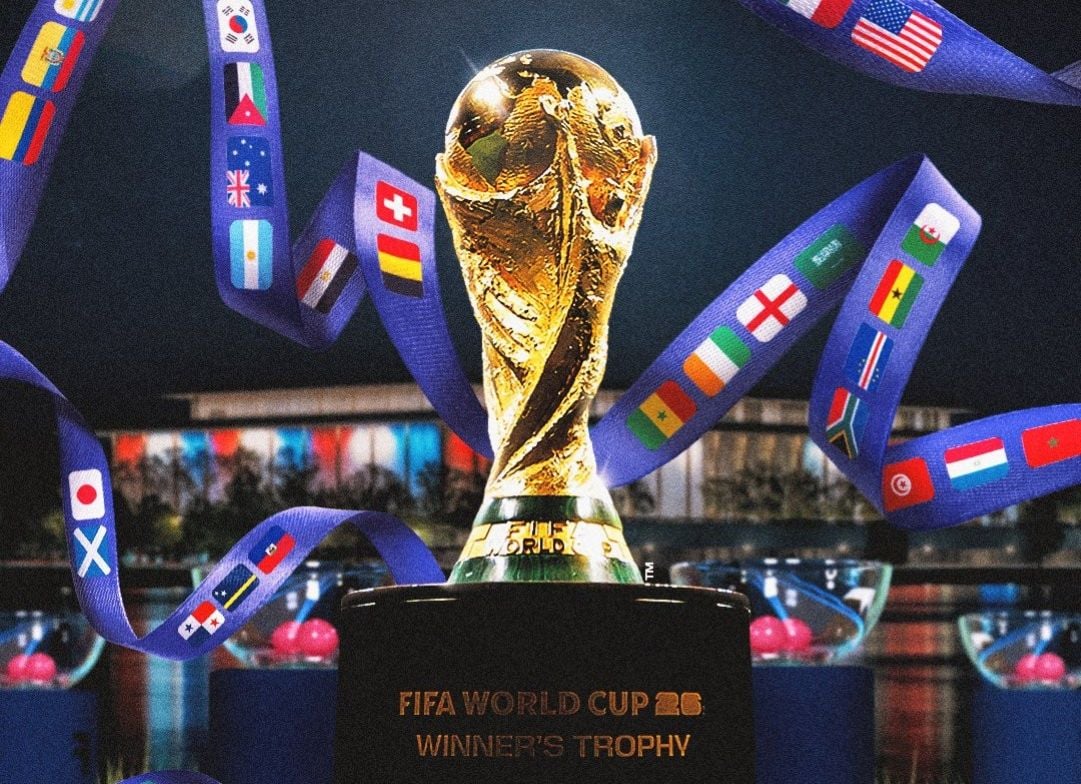
FIFA has started the official sale of parking passes for Copa from Mundo in 2026, held in Canadá, Estados Unidos and México. The prices charged in some American venues draw attention because they exceed the price of tickets in more affordable categories.
At Los Angeles, at SoFi Stadium, daily spots go for $300 per game. Esse amount exceeds Categoria 3 tickets, which vary between US$140 and US$180 for similar matches.
The entity justifies prices based on local market conditions and previous large events. The limited supply of spaces contributes to increased costs, as traditional areas are reserved for security and commercial activations.
Fans who plan to attend games in person face significant additional expenses beyond tickets. The reliance on private vehicles in the Estados Unidos differentiates this edition from the 2022 Copa in the Catar, where public transport was offered free of charge.
- Los Angeles: US$250 to US$300 per space, with a walk of up to 21 minutes to the stadium.
- Miami: prices starting at US$100 in the group stage, reaching US$225 in elimination games.
- Atlanta: up to $225 in semifinals.
- Kansas City: drastic reduction in available spaces, with prices starting at US$75.
Prices vary depending on the venue and stage of the tournament
Parking prices are defined individually for each host city. FIFA adopts a strategy that considers local demand and available infrastructure.
In regions with greater dependence on cars, such as Califórnia and Texas, passes reach higher levels. Já in cities with a better public transport network, alternatives can reduce the need for private parking spaces.
The sale takes place exclusively through the entity’s official platform. Cada buyer must use the same email registered on the ticket, limiting the purchase to one pass per match.
Comparison with tickets reveals disparity
Tickets for the new Categoria of Acesso start at $60 for all 104 games in the tournament. Essa option makes the competition more inclusive, but does not compensate for the extra travel costs in some venues.
In Los Angeles, a $300 seat is almost double the cheapest available ticket. Torcedores Those who opt for higher categories pay proportionally less for parking.
FIFA projects record revenue of US$11 billion from the event. Direct marketing of vacancies helps control resale and guarantees additional revenue.
Reduction of available places increases values
Many arenas have drastically reduced the number of seats for private vehicles. Em Kansas City, the total fell from around 20 thousand to just 4 thousand units sold.
Areas close to the stadiums are dedicated to security operations, hospitality and sponsors. Essa restriction increases demand for remaining vacancies, directly impacting prices.
The measure follows a pattern adopted at major American sporting events. Jogos NFL regulars already have average prices above US$70 in some places.
Transport alternatives gain prominence
Host cities invest in collective options to serve the expected public. Atlanta introduced fleets of autonomous electric buses to connect strategic points to Mercedes-Benz Stadium.
Los Angeles plans dedicated shuttle lines, although the service will also be paid for separately. Toronto and Vancouver have more consolidated metro and train networks between their headquarters.
- Use ride-sharing apps to share costs.
- Choose hotels close to the stadiums with transfers included.
- Plan arrival in advance via local public transport.
- Consider car rental only for intercity travel.
Logistics challenges international fans
The Copa of the Mundo of 2026 has 48 selections and games spread across 16 cities. The distance between venues requires detailed travel planning for those attending multiple matches.
Visitors from other countries face an additional barrier to American car culture. Diferentemente of European or Asian editions, the car predominates as the main means of transportation.
FIFA recommends prior consultation of the options for each arena on the official website. Informações about walking distances and estimated times help you choose whether to park or use alternatives.
Anti-resale measures protect buyers
The entity implemented strict rules to avoid parallel markets. Passes are linked directly to the valid ticket, with automatic cancellation in case of registration discrepancy.
Purchase limited to one per game prevents hoarding by scalpers. Apesar In addition, vacancies are already appearing on secondary sites with inflated prices above US$220.
The strategy follows the model adopted in ticket sales. The goal is to ensure fair access and maximize control over the fan experience.
Accumulated financial impact weighs on planning
Watching a match involves several costs in addition to the ticket. Estacionamento represents a significant portion in sites with high prices.
Families or groups traveling together multiply the costs of space. Dividir a vehicle makes the option more economically viable compared to individual transport.
The 2026 edition promises to be the largest in history in terms of attendance and revenue. The aggressive marketing of complementary services reflects this organizational ambition.
Host cities present different realities
Each location offers unique infrastructure to host games. Seattle and Boston have more developed public transport systems than other American squares.
México and Canadá present intermediate scenarios. Na Cidade from Mexico, Estádio Azteca will have expanded collective options for the event.
The wide geographic distribution requires constant adaptation. Torcedores need to evaluate on a case-by-case basis the best way to reach the stadiums without excessively increasing costs.
The Copa of the Mundo of 2026 is quickly approaching, with opening scheduled for June. Pre-sale of passes allows for calm planning, avoiding last-minute surprises.