
Santa Catarina Police identify young people for attacks on dogs Orelha and Caramelo By Luís Henrique Costa
7 min read
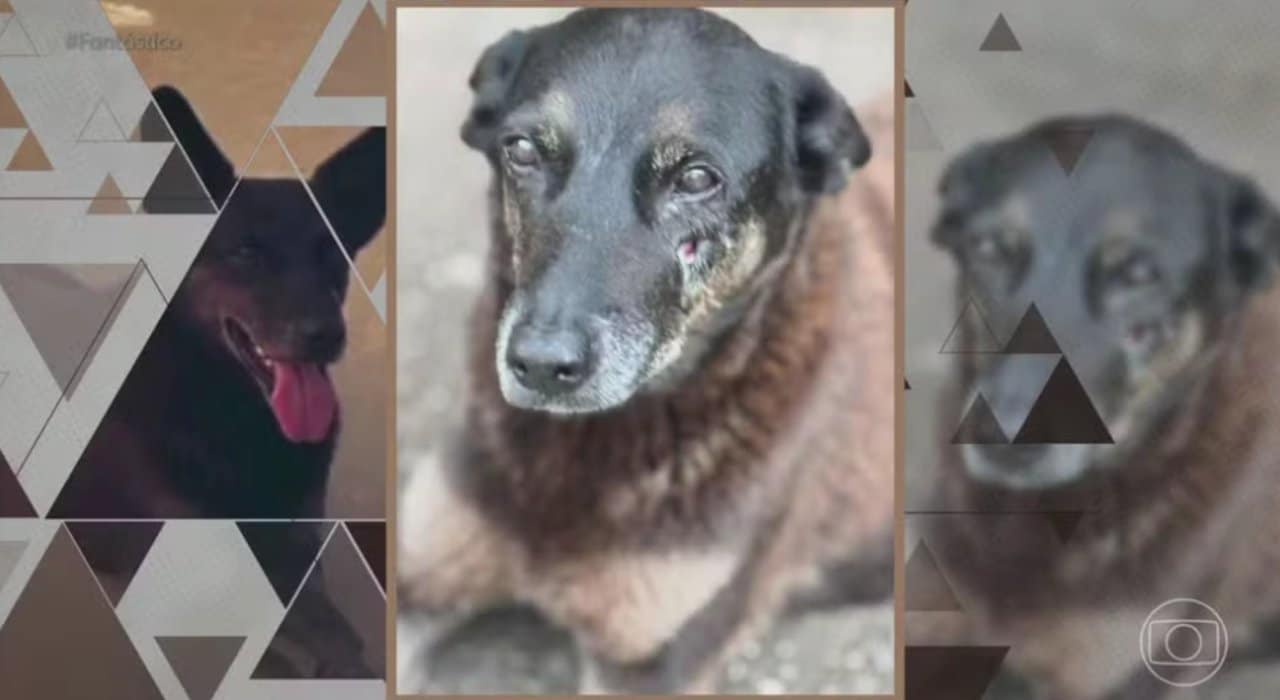 |
Polícia Civil of Santa Catarina closed investigations into the tragic death of the community dog Orelha and the brutal attempt to drown the dog by Caramelo, triggering a deep reflection on violence against animals in the region.
The investigations categorically concluded that the teenagers committed criminal acts similar to the crime of animal abuse, a severe violation of Brazilian legislation that protects fauna. Essa conclusion brings an initial closure to the incidents that caused public outrage and mobilized the community in search of justice for local mascots.
Given the seriousness of the evidence, Polícia Civil formalized the request for provisional hospitalization for the teenager directly involved in the aggression that culminated in the death of Orelha. The young man had remained outside the country during a crucial part of the investigative phase, which added an additional challenge to the authorities’ work.
The legacy of the dog Orelha and the commotion at Praia Brava
Ear was much more than just a community dog; he had represented a symbol of affection and familiarity in Praia Brava for at least a decade. Reconhecido Due to its docile nature and playful temperament, the animal received daily care and affection from many residents, traders and tourists, becoming an iconic and beloved figure for everyone who frequented the vibrant tourist region of Florianópolis. Sua presence was, for many, synonymous with joy and a lighter daily life in the neighborhood.
Veterinarian Fernanda Oliveira, who monitored Orelha’s health, described him as an exceptionally docile dog, capable of captivating anyone with his gentle and receptive manner. Tanto visitors and residents were unanimous in expressing the deep love and sense of belonging that the animal inspired, being an inseparable part of the local identity. Sua morte, ocorrida em 4 de janeiro de 2026, provocou uma onda de comoção e uma forte mobilização por justiça, sublinhando a intensidade da conexão emocional que se estabelece entre as pessoas e seus animais.
The repercussion of the case was so significant that it culminated in peaceful demonstrations in Florianópolis and several other Brazilian cities. Ativistas for animal rights, ordinary citizens and various organizations came together to demand from the authorities a rigorous investigation and exemplary punishment of those responsible. The incident not only sparked an outcry for justice, but also reignited urgent debate about individual and collective social responsibility, as well as the importance of animal protection in urban and tourist contexts.
Crucial details of the police investigation
The police investigation was conducted with extreme detail, covering the analysis of more than a thousand hours of video recordings from 14 monitoring cameras installed in the region, in addition to collecting statements from 24 witnesses and questioning eight teenage suspects. Delegate Renan Balbino explained that one of the turning points in the elucidation of the Orelha case was the identification of an inconsistent statement from one of the teenagers involved in the attack, who tried to hide his presence at the scene.
The young man in question initially claimed to have remained inside the condominium at Praia Brava, using the swimming pool during the period in which the attacks occurred. However, security images, carefully reviewed, recorded him leaving the place at 5:25 in the morning and returning at 5:58 in the company of a friend, flatly contradicting his version of events. Essas evidências visuais, aliadas aos testemunhos coletados, foram indispensáveis para a resolução do crime e para desmascarar a narrativa inicial do suspeito, que não tinha conhecimento da extensão das provas em posse da polícia.
A fundamental piece of evidence was the analysis of the clothes worn by the teenager. Delegate Mardjoli Valcareggi explained that the young man was out of the country until January 29, and the police were able to monitor his early flight, approaching him directly at the airport. Durante the procedure, it was noted that a family member tried to covertly hide a pink cap in his personal bag, and later acted suspiciously by stating that a sweatshirt found in the suitcase had been purchased on the trip. Ambas the articles of clothing were immediately seized by the authorities.
After an exhaustive expert comparison, it was unequivocally confirmed that the clothes seized corresponded to those recorded in the footage from the day of the attacks. The police strategy of maintaining secrecy regarding information already known was a determining factor in preventing a possible escape by the suspect or the intentional destruction of crucial evidence, such as his clothes and cell phone, ensuring the integrity of the investigative process and the collection of reliable data.
Legal aspects of ill-treatment and the ECA
The reports prepared by Polícia Científica confirmed the severity of the attacks suffered by Orelha, an elderly dog known for its docility. The cause of death was attributed to a blunt blow to the head, suggesting the use of a hard object such as a piece of wood or a bottle, or even a violent kick. Esta expert assessment not only proves the intentionality of the act, but also highlights the cruelty used, reinforcing the classification of the crime of ill-treatment. In the incident involving Caramelo, the attempted drowning also constitutes a serious act of ill-treatment.
In Brasil, the legislation that deals with animal abuse is strict, especially after recent updates that aim to toughen penalties. Código Penal, together with Lei of Para cases involving dogs and cats, the penalties are even more severe, reflecting the growing recognition of the importance of animal protection in society.
In the case of Orelha, the investigation was not limited to the direct aggressor; three additional adults were indicted by Delegacia of Proteção Animal on charges of coercion, indicating a possible attempt to obstruct justice or influence the course of the investigation. It is important to highlight that the Estatuto of the Contudo, the ECA also establishes a system of socio-educational measures that seek both accountability and re-education of young people, adapted to the seriousness of the infraction and the specific conditions of each adolescent, aiming for their social reintegration.
Community actions and the future of animal protection
The community mobilization around the cases of Orelha and Caramelo is a testimony to the growing social engagement in the cause of animal protection. Além Despite the demonstrations and the outcry for justice, the tragedy boosted local initiatives to strengthen the safety and well-being of community animals. Há a movement to implement additional security cameras in risk areas and promote educational campaigns that reinforce the importance of respect for animal life, especially in tourist destinations.
This type of social mobilization puts significant pressure on authorities and public authorities to develop and implement more effective policies. The visibility given to these cases serves as a catalyst for discussing topics such as responsible ownership, preventing abandonment and actively combating animal cruelty, becoming a powerful tool for awareness and long-term cultural change. Organized civil society plays a fundamental role in monitoring, reporting and proposing solutions, creating a safer environment for animals and fairer for everyone.
The social repercussion and the defense of the accused
The death of Orelha intensified a national debate about violence against animals and youth responsibility, especially in a high-visibility context like Praia Brava. Moradores, local business owners and animal rights advocates expressed deep indignation and sadness, reiterating the urgent need for stricter enforcement and educational programs that promote unconditional respect for animal life in all its forms.
Silvio The community came together not only to demand immediate justice, but also to implement preventive measures that prevent similar incidents from recurring, demonstrating the strength of solidarity and collective action in times of crisis. Tais mobilizations often serve as important drivers for the visibility of causes and for the implementation of concrete responses by the competent authorities.
In an official statement, lawyers Alexandre Kale and Rodrigo Duarte, who represent the teenager identified as Orelha’s attacker, contested the public narrative, stating that the information disclosed constitutes “merely circumstantial elements” and does not offer definitive proof of their client’s guilt. The defense emphasized his technical and responsible performance, guided by the incessant search for the truth and the demonstration of the teenager’s innocence. The lawyers also expressed their vehement protest against the lack of full access to the investigation files and openly criticized the “politicization of the case”, arguing that social pressure for someone to be guilty at any cost can distort justice and lead to hasty and inconsistent conclusions, resulting in irreparable harm to innocent individuals.



