
Demand for the sixth generation Toyota RAV4 paralyzes sales in Japan with long queues By Jeronimo Santos
5 min read
 |
The Japanese car market witnessed one of the most eagerly awaited launches in recent times, but the initial euphoria quickly turned into long waits for consumers. The sixth generation of the Toyota RAV4, officially introduced in December 2025, had its stock units sold out in record time, leading to a situation of high demand and immediate low supply.
Toyota dealerships nationwide have been instructed to temporarily suspend accepting new orders for the SUV. The measure was necessary after the Z and Adventure hybrid versions, the only ones available in the initial sales phase, had their allocations completely filled by buyers in a few days.
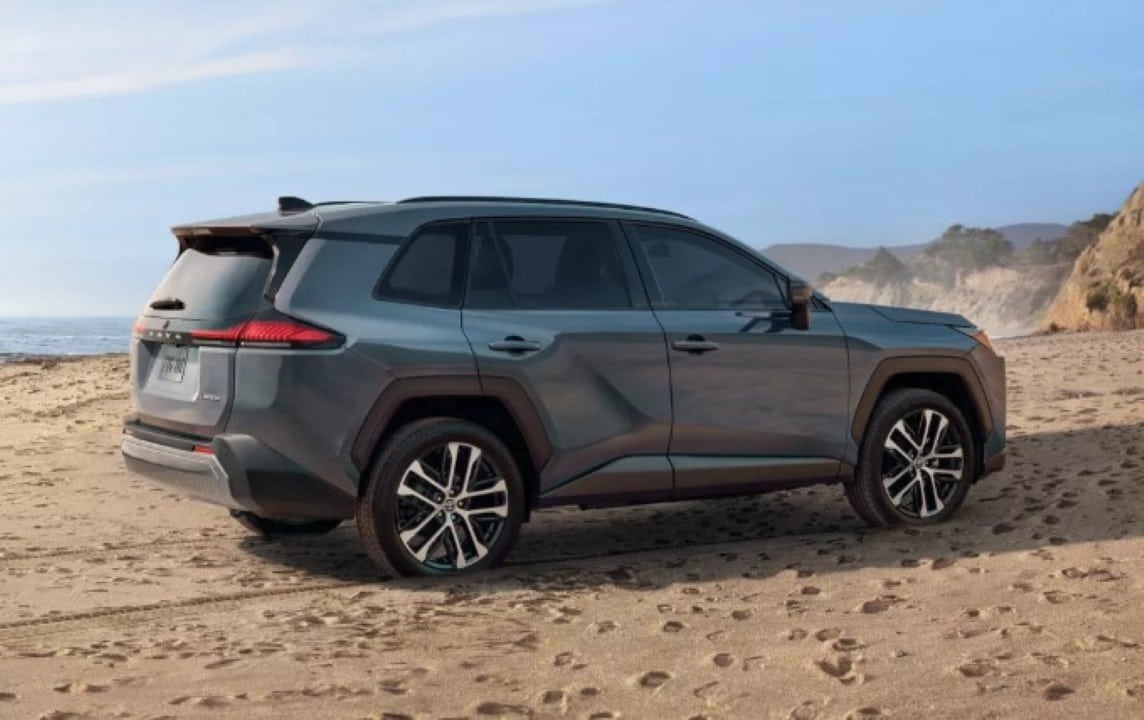
The forecast informed by the automaker is that the normalization of the flow of orders will only occur in mid-2026, creating a waiting window of several months for those interested. Este scenario reflects not only the success of the new design and onboard technology, but also the strong loyalty of consumers to the brand and model, which is a reference in the medium SUV segment.
Initial models and launch strategy
The Toyota opted for a launch strategy focused exclusively on the hybrid powertrain, one of the main attractions of the RAV4 in the Japão. The two configurations initially offered, Z and Adventure, were designed to meet different consumer profiles. The Z version features a more refined finish and an equipment package aimed at urban comfort, positioning itself as the most sophisticated option. Seus standard features include advanced driver assistance systems and high-quality materials inside the cabin.
On the other hand, the Adventure grille reinforces the SUV’s adventurous vocation, with more robust visual elements, such as exclusive bumpers, wheel arch moldings and mixed-use tires. The suspension also receives a specific calibration to optimize performance on low-grip terrain. With prices starting at approximately 4.5 million yen, both versions were quickly absorbed by the market, validating the automaker’s decision to focus initial efforts on these higher-value-added configurations.
Factors that drove high demand
The consistent leadership of the Toyota RAV4 in the midsize SUV segment in the Japão is a crucial factor in understanding the overwhelming demand. The new generation arrived to reinforce attributes that were already valued by consumers, such as reliability and energy efficiency.
The hybrid system, which combines a 2.5-liter combustion engine with electric motors, has been improved to deliver even lower fuel consumption, an extremely relevant point for Japanese drivers, both on urban and highway journeys.
The appeal was amplified by a considerably more modern and aggressive exterior design, in line with the brand’s new global trends. Internamente, the vehicle received a leap in quality with more noble materials and a new multimedia center with a larger screen and more features.
Safety was also a central pillar, with the update of the Toyota Safety Sense driving assistance package. The combination of these elements with the availability of electronic all-wheel drive on both grades created an irresistible value proposition, encouraging vehicle exchange among owners of previous generations and attracting new customers to the brand.
The current scenario at Japanese dealerships
The reality at Toyota resales throughout Japão is one of waiting lists and uncertainty for new buyers. In less than a week after launch, most stores had already completely exhausted the vehicle quotas that were allocated by the factory. The automaker’s distribution system limits the number of units per point of sale to ensure balanced distribution, but demand far exceeded the most optimistic projections. Como result, the official instruction was to suspend the acceptance of new orders so as not to generate false expectations of delivery. Clientes who arrive at the stores are informed that there is no forecast for the reopening of the ordering system. Para the few who managed to secure a unit in the initial batch, deliveries are scheduled to take place between May and June 2026, highlighting the long process between purchase and ownership of the vehicle. Algumas dealers created interest lists to notify customers as soon as new allocations become available, but without entering into any sales commitment.
Impacts of the brief production shutdown
To worsen the mismatch between supply and demand, the production line for the new RAV4 faced a brief interruption shortly after launch in December 2025. The stoppage was a preventative measure to carry out quality checks on an electronic engine control unit.
Although the issue was quickly resolved and production resumed in January 2026, the incident impacted the initial pace of manufacturing and distribution of the first units. Toyota maintains a strict quality protocol, and adjustments like this are considered normal in large-scale releases to ensure maximum product reliability.
This interruption, although short, added to the explosive demand, helped create the current bottleneck in supplying the model to the dealership network. Production now continues at a normal pace, focusing on meeting orders already confirmed.
Postponement of the long-awaited PHEV version
The plug-in hybrid variant (PHEV), one of the most anticipated by consumers looking for even more efficiency and the possibility of purely electric driving, had its launch schedule changed. Originalmente scheduled to hit the market alongside conventional hybrid versions, its debut has been postponed to a date to be defined within the current Japanese fiscal year, which ends in March 2026.
Technical attributes of the new generation
Built on the modern TNGA platform (Toyota New Global Architecture), the new RAV4 benefits from greater structural rigidity and a lower center of gravity. Essas features translate into better stability, more precise handling and a superior level of comfort in different road conditions.
The 2.5-liter hybrid powertrain remains the heart of the vehicle, optimized for performance and economy. Enquanto the Z version stands out for luxury items such as heated seats and a premium sound system, the Adventure version is equipped for light off-road challenges, with specific driving modes that adjust the response of the accelerator and traction system.