
Research in Japan reveals that the Honda Fit is preferred for daily and economical urban journeys By Jeronimo Santos
5 min read
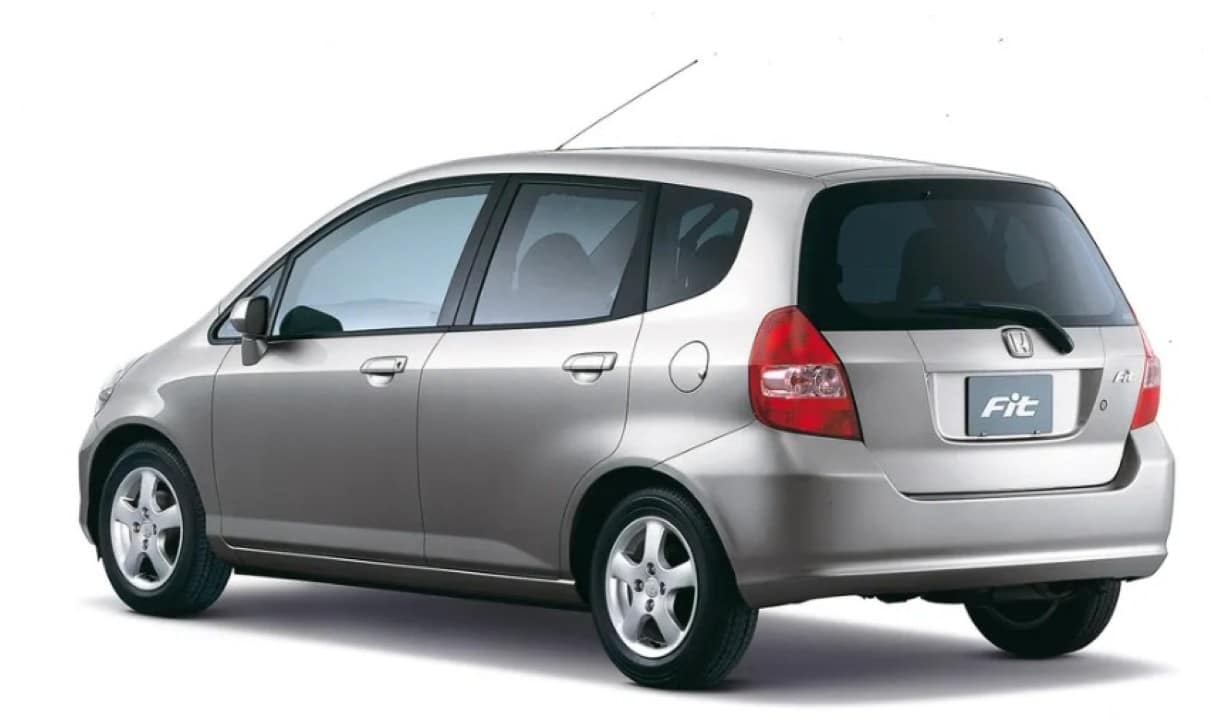 |
A new survey carried out with drivers across the Japão identified the Honda Fit as the most suitable vehicle for daily commutes, known as “commuting”. The model stood out among its competitors for offering a combination of low maintenance costs and excellent visibility, characteristics considered essential to face the intense traffic in Japanese metropolises.
The survey, which interviewed 300 people from different age groups in January, reflects a clear preference for vehicles that combine practicality and economy. The results indicate that, for the routine of getting to and from work, drivers value cars that simplify driving on congested roads and tight parking lots, without generating high expenses.
The choice of Fit demonstrates how functionality overlaps with other attributes in the urban context. The ability to maneuver with ease and the confidence provided by a wide field of vision were cited as factors that reduce daily stress behind the wheel, making the driving experience safer and more enjoyable.
Voting details and main competitors
In the general classification of the survey, Honda Fit took the lead with 49 votes. Participants who opted for the model frequently mentioned its agility in narrow streets and controlled operating costs as the main differentiators that make it the ideal choice for continuous use in the city.
Second place was taken by Toyota Yaris, which received 34 votes. The vehicle was praised for its renowned mechanical reliability and interior comfort, which transforms long journeys into a more pleasant experience. Efficiency in fuel consumption was also a strong point highlighted by interviewees.
Completing the podium, the Honda N-Box came in third place, with 31 votes. Sendo a “kei car” (ultra-compact category car), it surprised by its internal spaciousness and ease of driving. Sua popularity highlights the strength of this segment in the Japanese market, which offers tax advantages and unparalleled practicality.
The attributes that consecrated the Honda Fit
The success of the Honda Fit in research is directly linked to its intelligent design, focused on the needs of the urban driver. The vehicle’s design prioritizes a generous glass area, with thin front pillars that minimize blind spots, a crucial factor at busy intersections and when navigating streets full of pedestrians and cyclists. Essa superior visibility feature was one of the most recurring arguments among its voters, who say they feel safer and less tense while driving.
In addition to security, the economic factor weighed significantly. The Fit is known for having an affordable maintenance cost, a result of the wide availability of parts and the robustness of its mechanical components. The version equipped with the e:HEV hybrid system, for example, offers extremely low fuel consumption, reaching levels above 30 km/l in real urban traffic conditions, which represents substantial savings in the owners’ monthly budget.
Toyota Yaris and its strength in reliability
The Toyota Yaris secured second place among Japanese drivers by consolidating its image as a long-term, low-cost, durable vehicle. The Toyota brand’s reputation for producing cars with a low incidence of mechanical defects is a strong attraction for those looking for a car for everyday use and don’t want to worry about unexpected repairs.
Its interior, considered spacious for the compact category, and the quality finish were other praised points. Drivers who chose the Yaris value comfort on longer journeys, highlighting that the ergonomics of the seats and sound insulation contribute to a less tiring journey.
The surprise of the Honda N-Box on the podium
The presence of the Honda N-Box in the top three reinforces the importance of kei cars in the Japão. Apesar of its reduced external dimensions, the N-Box impresses with its intelligent use of internal space, which offers surprising comfort for driver and passengers, as well as remarkable versatility for transporting objects.
Its high height compared to other compacts improves visibility and conveys a feeling of greater safety in traffic. Somado To this, tax benefits, such as lower taxes and insurance, make the N-Box a very financially attractive option for everyday use, explaining its strong performance in research.
Decisive factors for the Japanese driver
The joint analysis of the responses of the 300 participants reveals a clear pattern in the priorities of drivers facing the urban routine in Japão. Efficiency in fuel consumption appears as a central element, driven by high fuel prices and growing environmental awareness. Veículos capable of covering more kilometers with fewer liters, especially hybrids, gain an immediate competitive advantage. Maneuverability is another critical factor; The ability to navigate narrow streets and park in tight spaces with ease is essential in densely populated cities like Tóquio and Osaka. Além Furthermore, long-term maintenance costs, including parts, inspections and taxes, are rigorously assessed at the time of purchase, with preference given to models from brands with a reputation for durability and consolidated service networks. The research shows that the purchasing decision is mostly rational, focused on optimizing the relationship between cost, benefit and practicality for the daily routine.
The compact vehicle scenario in Japão
The Japanese automotive market is structurally designed to favor small vehicles. Government policies, which include tax incentives for kei cars, and the urban infrastructure itself, with narrow streets and limited parking spaces, create an environment where compact cars are not just an option, but a necessity.
Models such as the Fit, Yaris and N-Box dominate sales precisely because they fit perfectly into this ecosystem. Eles offer the agility necessary for congested traffic and the savings that consumers demand for daily and continuous use.
While overall sales data often shows N-Box as the clear leader in the country, preference surveys like this one reveal important nuances. Fica Of course, for the specific purpose of commuting, attributes such as the superior visibility of the Fit may become more valuable than the internal space of a kei car.
The growing popularity of hybrid engines is also a trend that is reflected in the results. The ability to reduce pollutant emissions and the silence when running in electric mode are advantages increasingly appreciated in large urban centers, aligning consumer choice with broader environmental goals.
Reducing stress in traffic
One of the practical benefits most mentioned by survey participants was the ability of the chosen vehicles to minimize fatigue and tension during travel. The combination of comfort, good visibility and driving assistance technologies, present in the three most voted models, was highlighted as fundamental to transforming the time spent in traffic into a less exhausting and safer experience.



