Valve accelerates Steam Machine production for early 2026 launch with AMD hardware
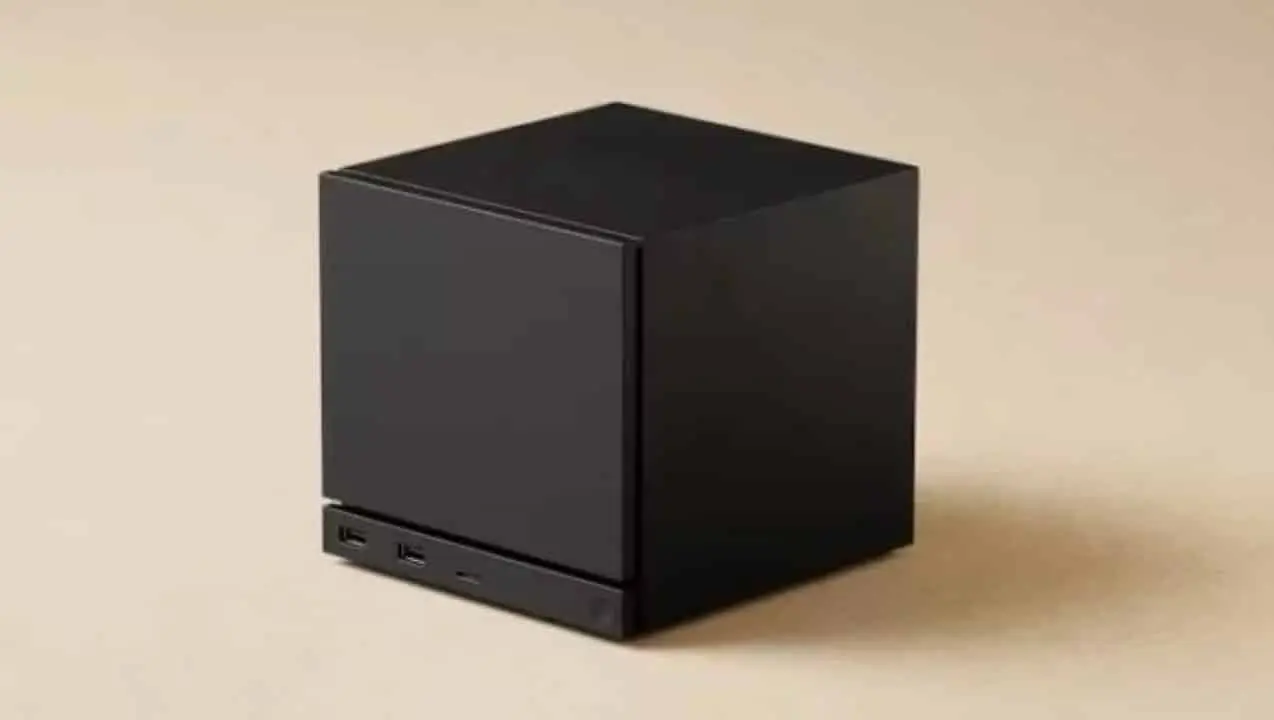
Valve continues with plans to launch the Steam Machine in early 2026. AMD CEO Lisa Su informed during the financial results conference that preparations for shipping the hardware are underway.
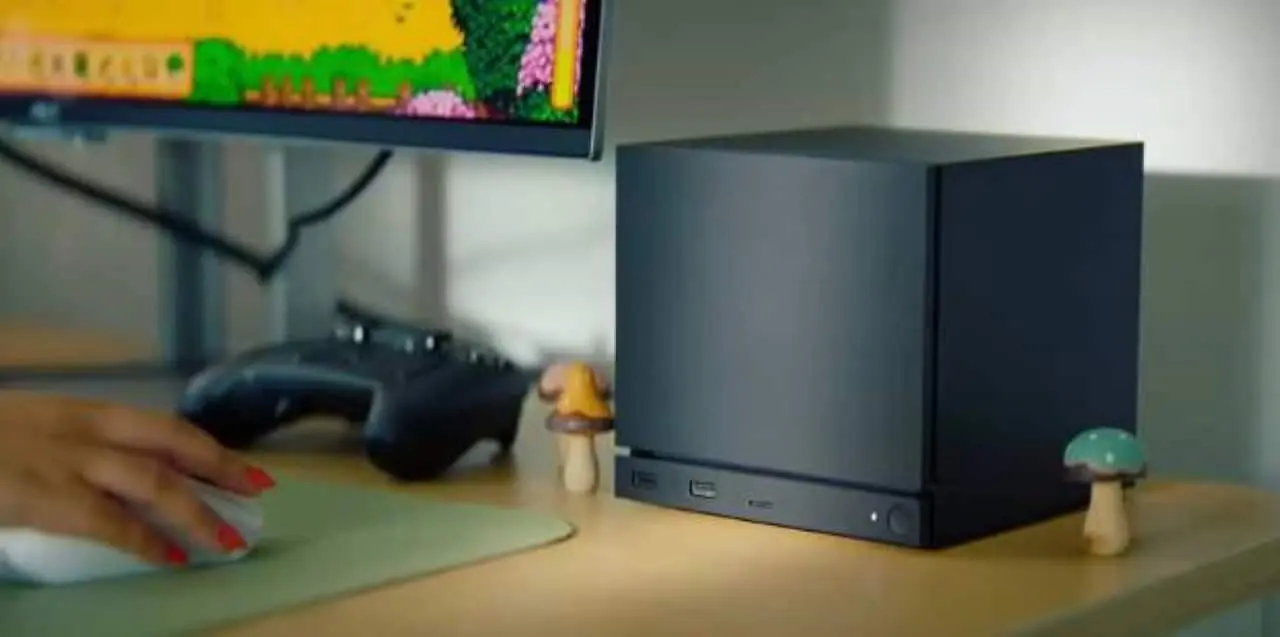
The device consists of a cube-shaped mini PC designed for gaming on large screens in the living room. Ele runs SteamOS and uses a custom AMD processor.
The company announced the product in November 2025 along with other hardware items. The equipment promises higher performance than the Steam Deck and support for 4K games at 60 frames per second.
Initial Hardware Line Announcement
Valve revealed three new devices in November 2025 during a dedicated event. The Steam Machine stands out as a television console focused on the PC gaming experience.
The hardware includes a semi-custom AMD chip that offers more than six times the power of the Steam Deck. The compact design of about 15 centimeters makes it easy to install on entertainment racks.
The company positions the product as a direct alternative to traditional consoles. Ele allows full access to the Steam library without the need for a separate computer.
Strategic partnership with AMD
The collaboration between Valve and AMD is reinforced with recent statements from the executive. Lisa Su highlighted progress in the supply chain during the quarterly results presentation.
More on this story: Valve prepares four versions of the Steam Machine with 512 GB and 2 TB of storage
The processor integrates updated RDNA architecture for graphics and power efficiency. The configuration includes 16GB of unified DDR5 memory for balanced performance.
- Semi-custom AMD chip with advanced Zen cores
- Integrated GPU capable of ray tracing at 4K resolution
- High-speed NVMe SSD storage
- HDMI 2.1 and Wi-Fi 6E Connectivity
This partnership guarantees specific optimization for SteamOS. The operating system receives constant updates for compatibility with new titles.
Design and main features
The compact cube format differentiates the device from traditional consoles. Valve designed the equipment for quiet operation in living room environments.
The cooling system uses optimized fans to maintain low temperatures. The case allows limited storage expansion via internal slots.
The Steam Machine connects directly to the television via HDMI. Ela supports wireless controls and integration with existing Steam ecosystem.
The device quickly starts in Big Picture mode from Steam. Usuários access games installed or via streaming from remote PCs.
Learn more: Valve announces launch of Steam Machine and Steam Frame for summer
Comparison with previous generations
The first attempt at Steam Machines occurred in 2015 through partnerships with manufacturers. At the time, several models arrived on the market with varying specifications.
The current approach concentrates production on Valve’s own hardware. Essa strategy follows the model successfully adopted in Steam Deck.
The promised performance surpasses current generation consoles in multithreaded tasks. The open architecture allows for constant driver updates.
Valve abandons the idea of multiple manufacturers. Ela controls the entire production and distribution chain of the new model.
Built-in software features
SteamOS receives an exclusive optimized version for the hardware. The interface automatically adapts to controller or mouse and keyboard.
The system includes native Proton support for Windows games. Milhares of titles work without additional configuration.
See Also



- Full desktop mode for web browsing
- Support for multiple simultaneous users
- Integration with Remote Play for streaming
- Automatic system and driver updates
The Steam store remains central to the ecosystem. Compras are carried out directly on the device with a simplified interface.
Detailed technical specifications
The hardware incorporates state-of-the-art components selected by Valve. The base configuration offers a balance between power and energy consumption.
The dedicated GPU handles demanding games at high settings. The processor manages background tasks without impacting performance.
The Valve confirms compatibility with ultrawide monitors. The device supports refresh rates up to 120Hz at lower resolutions.
On the same topic: Valve’s Steam Machine and Steam Frame hit the market this summer
Audio goes through HDMI with Dolby Atmos support. Caixas external speakers connect via Bluetooth or USB ports.
Expected impact on the ecosystem
The arrival of the Steam Machine expands official hardware options. Usuários migrate existing libraries without loss of progress.
The device reinforces SteamOS’ position in living rooms. Desenvolvedores optimize titles for television control.
Valve plans extended support with regular updates. Hardware receives new features via software over the years.
Millions of active Steam Deck users benefit from compatibility. Jogos saves automatically sync between devices.
Development chronology
Valve resumed the room hardware project in 2024 internally. Initial Testes occurred with prototypes based on AMD architecture.
The official announcement took place in November 2025 with practical demonstrations. Jornalistas tested preliminary units at the company’s headquarters.
AMD’s recent confirmation accelerates expectations for March 2026. Scale production will begin in the coming weeks.
The launch coincides with a major SteamOS update. Novos features reach all compatible devices simultaneously.
Connectivity and expansion options
The back panel includes multiple USB-C and USB-A ports. Usuários connect peripherals such as external keyboards and mice.
The wired network uses port Gigabit Ethernet for minimum latency. The built-in Wi-Fi supports dual bands for stable streaming.
The device allows connection of up to four controls simultaneously. Sessões local multiplayer works without additional configuration.
Storage expands via microSD cards or external SSDs. Valve recommends certified units for optimal performance.
The Steam Machine represents the return of the Valve to the home console segment with a renewed approach. The hardware combines PC power with simplicity of use on television and will hit stores in early 2026.