The Jogos Olímpicos and Paralímpicos of Inverno of 2026, known as Milano Cortina, promise to be a milestone in the history of global sporting events. Previstos to take place between February 6th and 22nd, these games will bring around 2,900 athletes to the north of Itália, competing in one of the most geographically expanded editions on record.
The peculiarity of the 2026 edition lies in its vast dispersion. With events scheduled to cover more than 22,000 square kilometers, spanning eight distinct cities and towns, organizers sought an innovative model. The intention is to use mostly existing facilities, promoting a more sustainable event with controlled costs, an approach that highlights the importance of efficient management in mega events.
This will be the third time that Itália has the honor of hosting the Jogos Olímpicos, reinforcing its role on the international sporting scene. The decentralization strategy aims not only at the economy, but also at enhancing the value of different regions of the country, showing the hosts’ ability to adapt and innovate when faced with the challenges of organizing an event of such magnitude.
Celebration and diversity of locations
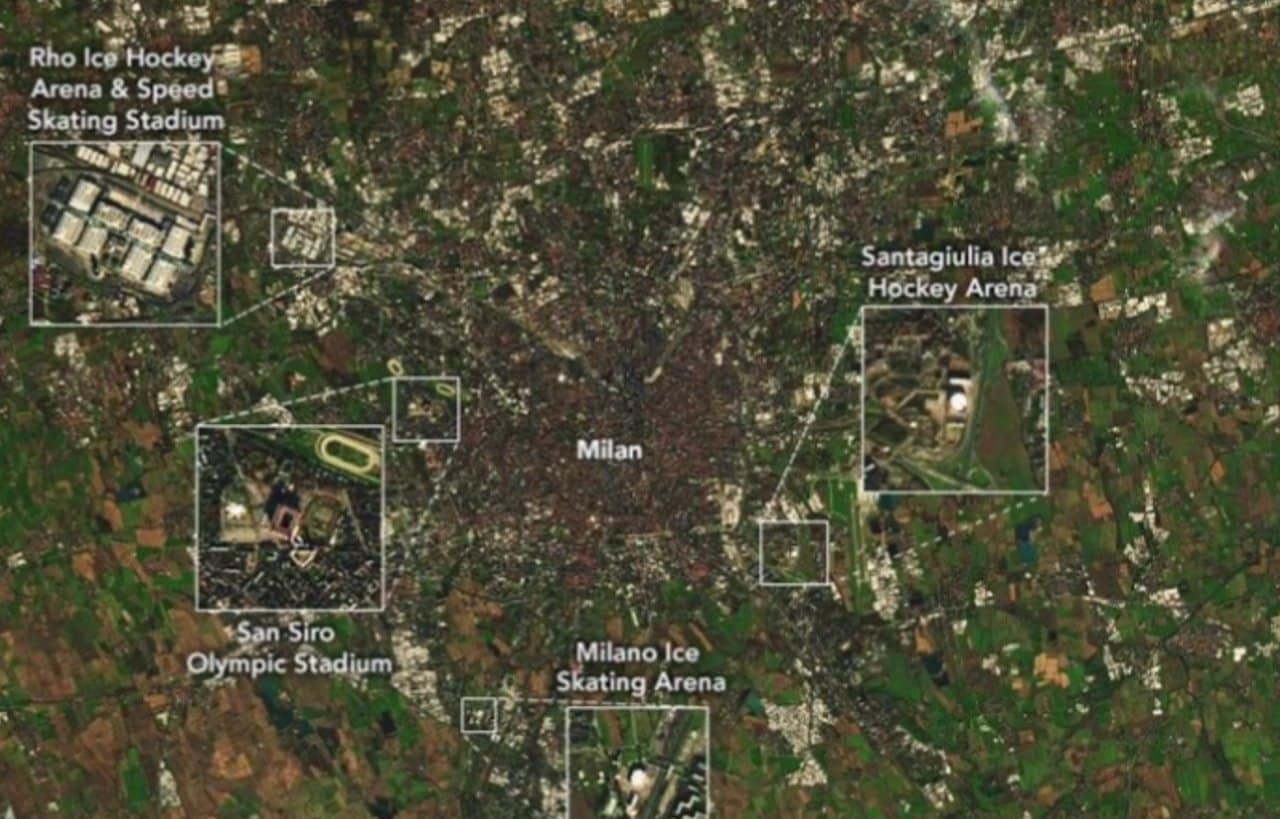
The official opening ceremony of the games is scheduled for February 6th at the iconic Estádio San Siro, in Milão. Este historic stage, opened in 1925 and home to the renowned football clubs AC Milan and Inter de Milão, will be the setting for performances by world-renowned artists, including pop star
The diversity of locations for the competitions is one of the most notable points of this edition. Milão, as one of the host cities, will host most of the ice hockey events. Serão used two main arenas: the Arena of Hóquei in the Gelo of Milano Santagiulia and the temporary Arena of
Innovation and sustainable legacy
The concept of sustainability permeates the entire organization of Milano Cortina 2026, highlighting the intelligent use of existing infrastructures. Mais 90% of installations are permanent or temporary, an effort to reduce the environmental footprint and construction expenses. Algumas of the structures were even renovated, having been used in the Jogos of Cortina d’Ampezzo in 1956, creating a bridge between the past and the future of the sport.
The concern with legacy and minimizing environmental impact is evident in the choice of locations spread over vast areas. The decision not to build several new and expensive structures demonstrates a commitment to a more conscious event model, which can serve as an example for future editions. Este approach not only optimizes resources, but also integrates the event more organically into local communities.
Details of competitions and new modalities
Around 2,900 athletes are ready to compete in 116 events over 19 days, spread across 13 different locations. Entre the disciplines, 50-kilometer cross-country ski races are notoriously strenuous, taking more than two hours to complete and exceeding the distance of a marathon. Estas events exemplify the endurance and dedication required of high-level competitors.
The 2026 games will introduce new modalities, expanding the range of disputes and bringing more excitement to the public. Entre What’s new is men’s and women’s mountain skiing, which promises athletic challenges in spectacular settings. Também The mixed skeleton relay and women’s doubles luge will be added, highlighting the continued search for innovation and inclusion in the Winter Olympic program.
Other new disciplines include freestyle skiing on double moguls and women’s long ramp ski jumping. Essas additions reflect the evolution of winter sports and the growing female participation in high-performance disciplines. The inclusion of these events offers more opportunities for athletes to demonstrate their skills and for fans to follow exciting and technically complex contests.
Arenas and strategic locations
Speed skating and figure skating competitions will take place at Arena of Patinação at Gelo of Milão, a stadium located at Assago, on the outskirts of the city. With capacity for 11,500 people, this arena is a multi-sport complex that, outside the Olympic period, caters for several other sports such as tennis, squash, swimming and basketball, ensuring the functionality and continuous use of the infrastructure.
Verona, a city 150 kilometers east of Milão, will host the closing ceremony on February 22. Verona’s Arena, an ancient Roman amphitheater built between the 1st and 3rd centuries, will provide a historic and grand setting for the closing of the games. Este venue, which once hosted animal hunts and gladiator fights, will now celebrate the athletic spirit with performances by musicians, dancers and artists, paying homage to Italy’s rich cultural heritage.
Mascots and symbolism
The mascots of Milano Cortina 2026 are Tina and Milo, a pair of lively, sibling, cheerful ermines who wear colorful scarves. Seus names were inspired by Milão and Cortina, the host cities, symbolizing the unity and energy of the games. Stoats, also known as short-tailed weasels, are agile predators from the mustelid family, known for their fur that changes color depending on the season, from dark brown in summer to white in winter. Na Itália, these creatures inhabit mountains, generally above 3,500 meters in altitude.
The choice of stoats as mascots carries a symbolism of agility, adaptability and the beauty of the Italian alpine fauna, connecting the event to local nature. The depiction of Tina and Mascots not only entertain, but also represent the culture and ecosystem of the host regions, leaving a lasting mark on the public’s memory.
Preparations for Milano Cortina 2026 continue in full swing, with satellite imagery captured in December 2025 by the OLI instruments on the Landsat 8 and 9 satellites, showing the urban areas of Milão and Verona, as well as the surrounding farmland. Estas images assist in monitoring and planning, ensuring that all facilities are ready to receive athletes and visitors, solidifying the event as a model of organization and sustainability on the global sporting scene.