
Advancement in AI increases the price of GDDR7 and threatens to delay the debut of the PlayStation 6 and the next Xbox By Beatriz
5 min read
 |
A new logistical and financial challenge puts the launch schedule for the next generation of consoles into question. Sony and Microsoft are internally reevaluating the arrival of the PlayStation 6 and the successor to the Xbox Series, respectively, due to the growing scarcity and exponential increase in the cost of GDDR7 memories, a vital component for advanced graphics performance.
The main cause of this turmoil in the components market is the explosion in demand in the artificial intelligence sector. Gigantes of technology is directing most of the production of high-speed memories to power data centers and specialized graphics processing units (GPUs), leaving the gaming industry in a secondary position in the supply queue.
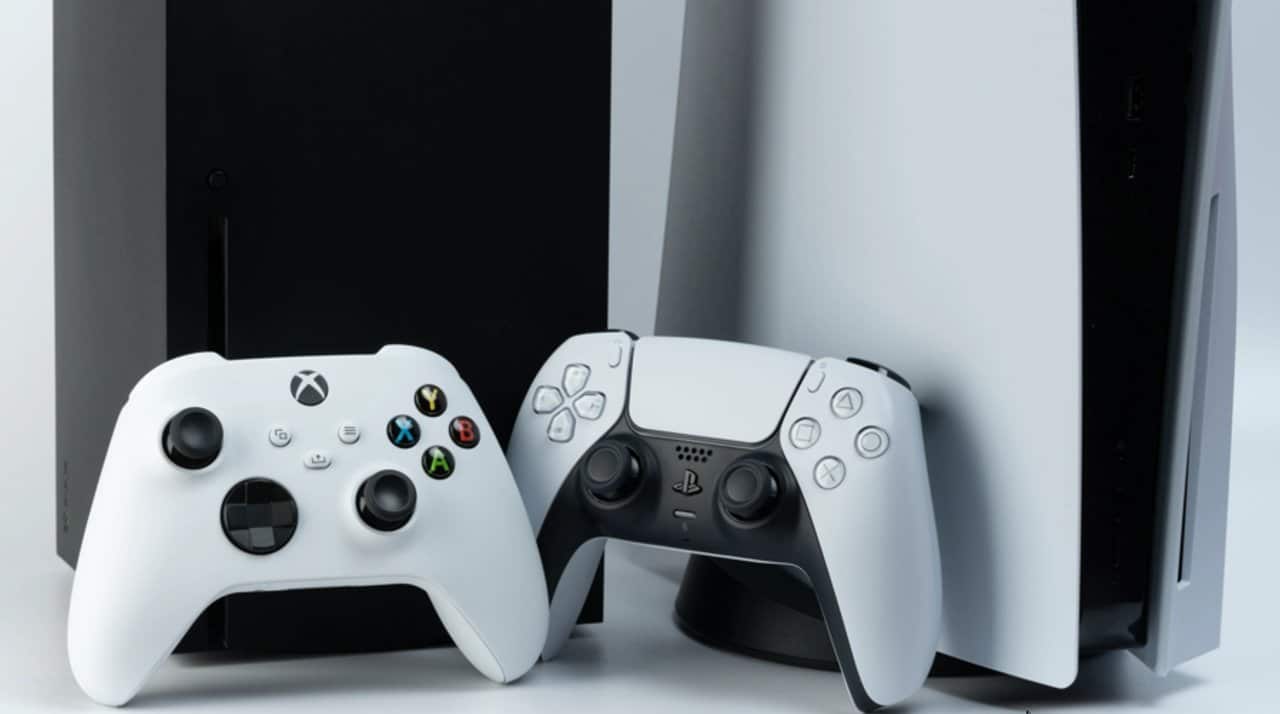
As a result, the previously projected launch window, which placed the arrival of the new consoles between late 2027 and mid-2028, is now considered uncertain. Fontes from the industry suggest that a postponement beyond 2028 is an increasingly concrete possibility, as companies look for a way to overcome the crisis without passing on prohibitive costs to consumers.
Artificial intelligence as a catalyst for the crisis
The current boom in generative artificial intelligence has transformed the semiconductor supply chain. Aplicações that require complex language model training and massive data processing consume an unprecedented amount of high-bandwidth memory, exactly the type of technology that GDDR7 offers.
Chip manufacturers such as Samsung, SK Hynix and Micron, which produce these components, are prioritizing contracts with companies in the AI sector. Esses contracts are often more profitable and higher volume, making supply for servers and supercomputers a strategic business priority.
This shift in focus resulted in a sharp increase in prices for other sectors. Relatórios of the market indicate that the cost of high-performance memories has risen by up to 50% in recent quarters, an increase that directly impacts the cost sheet of a console, where each component is meticulously calculated to reach a competitive final price.
The imbalance between limited supply and growing demand has created a shortage scenario that, according to analysts, could last for the next two years. Para the games industry, this means navigating an environment of uncertainty, where access to essential components is no longer guaranteed.
The strategic dilemma of Sony and Microsoft
Console manufacturers find themselves at a complex crossroads, with difficult decisions to be made in the coming months. Manter the original release schedule would have most likely meant absorbing the high costs of GDDR7 memory or releasing the PlayStation 6 and the new Xbox at a significantly higher price than previous generations. A console with a launch price of more than 600 or 700 dollars could alienate a large portion of consumers, compromising the platform’s initial success. On the other hand, the option to postpone the launch allows us to wait for a potential stabilization of the semiconductor market, when production capacity is expanded and prices become more reasonable. However, this choice also has its disadvantages: a prolonged delay can generate frustration among players and give the impression of technological stagnation, as well as impact the planning of development studios that depend on new hardware to realize their creative visions. The challenge is to strike a delicate balance between innovation, affordability and the realities of an increasingly competitive global components market.
Repercussions on the release calendar
The dates that were circulating behind the scenes in the industry, pointing to a launch of the PS6 at the end of 2027 and the next Xbox in 2028, are now treated with extreme caution. Internal discussions at both companies are focused on analyzing alternative scenarios and developing contingency plans for different market fluctuations.
One of the alternatives under consideration, although less likely, would be to review the technical specifications of the consoles to use more affordable components. Contudo, such a measure could compromise the leap in performance expected for the new generation, disappointing consumers and weakening the marketing appeal of new products.
Impact on current generation of consoles
The instability in the supply of cutting-edge components not only affects the future, but also the present. Pressure on the production chain could lead to price adjustments on current models, such as the PlayStation 5 and the Xbox Series X/S, as manufacturing costs increase.
Furthermore, the production of special editions or commemorative bundles may be reduced. Companies tend to focus their limited component inventories on producing standard models to ensure retail availability, limiting the variety of products offered.
The positive side of this scenario is the likely extension of the current generation’s life cycle. With longer-lasting hardware on the market, developers will have more time to master the PS5 and Xbox Series architecture, resulting in even more optimized and visually stunning games for years to come.
Memory manufacturers’ response
Aware of growing demand, the main memory suppliers have already announced expansion plans. Micron and SK Hynix, for example, confirmed billion-dollar investments in the construction of new semiconductor factories. However, these projects are complex and time-consuming, requiring years from planning to the start of mass production.
The expectation of industry analysts is that the supply of high-performance memories will only begin to balance with demand from 2028 onwards.
Game developers on hold
The situation is closely monitored by game development studios around the world. Planning for major titles, which can take five to seven years, is intrinsically linked to hardware cycles. A delay in the launch of new consoles forces these studios to readjust their development schedules and strategies.
In practice, this means that many projects that would be exclusive to the next generation can be adapted to also run on the current one or have their development postponed. The focus will be on extracting maximum performance from the PlayStation 5 and the Xbox Series X/S for longer.
Alternatives being studied by gaming giants
While the global scenario does not stabilize, Sony and Microsoft are actively exploring other avenues to mitigate risks. Negotiations to reach long-term supply contracts with chipmakers have intensified in an attempt to secure a priority allocation of components when production ramps up.



