
Advertising at the NFL final reaches new heights with 30-second commercials for US$10 million By Luís Henrique Costa
5 min read
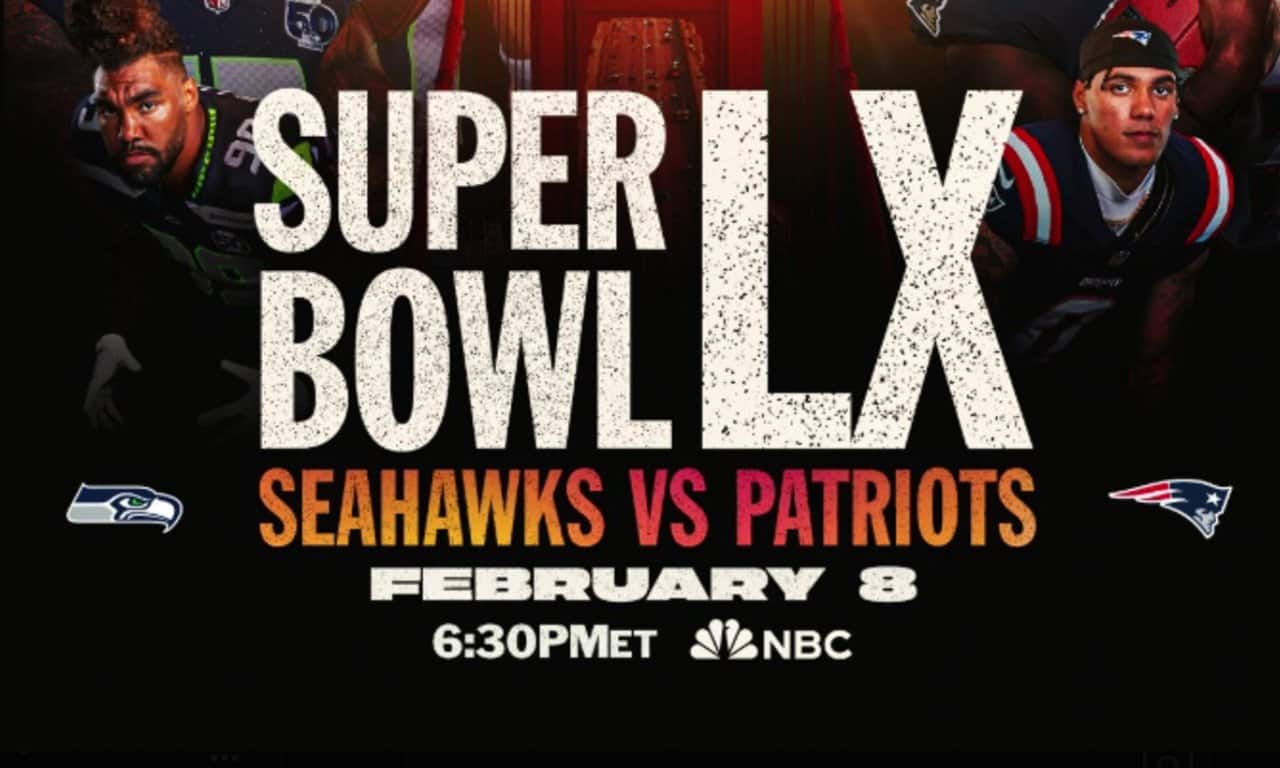 |
The 60th edition of Super Bowl, which marks the climax of the National Football League (NFL) season, reaffirms its position as the most valuable event in global television advertising. The costs of advertising during the broadcast reached unprecedented figures, consolidating the final not just as a sporting spectacle, but as a marketing showcase with very high impact.
Brands from multiple sectors compete fiercely for fractions of seconds on air, transforming commercial breaks into their own attraction. The intense demand reflects the power of reach and capacity for engagement that only the NFL final can provide on such a massive scale.
In this edition, values set a new financial record. Anúncios lasting just 30 seconds were negotiated for an average of US$8 million, with some specific contracts exceeding the US$10 million barrier, according to information from the stations responsible for the broadcast.
The NFL’s hot advertising market
All of the commercial spaces for Super Bowl LX were sold months in advance, a feat completed by NBC, the holder of the broadcasting rights, in the third quarter of the previous year. Essa agility in negotiations highlights the continuous demand and confidence of corporations in the return on investment, even with increasing costs. The phenomenon is not new, but the acceleration in values demonstrates that the event has become an irreplaceable pillar in the marketing strategies of large companies, which see it as a unique opportunity to connect with a vast and diverse audience in a highly receptive environment.
Competition between advertisers is as fierce as the competition on the field, which serves as a catalyst for creativity and innovation in advertising productions. Companies don’t just pay for airtime, but for the chance to create a memorable cultural moment that generates conversation and repercussions long after the final whistle. Esse highly competitive scenario ensures that the commercials shown are of the highest quality, often featuring film productions, A-list celebrities and narratives that seek to stand out in the midst of one of the most expensive and watched intervals in the world.
The audience as the main asset
The justification for these astronomical investments lies in Super Bowl’s unique ability to aggregate a massive and concentrated audience. In an increasingly fragmented media landscape, with audiences divided between numerous streaming platforms and niche channels, the NFL final stands out as one of the rare events capable of bringing together tens of millions of people simultaneously in front of a screen. Peter Lazarus, executive at NBC Universal, emphasizes that this unified attention is what gives the event its inestimable value. The record audience in 2025, which reached 127.7 million viewers including TV and streaming, with peaks of 137.7 million, proves this strength. Para advertisers, this is an incomparable opportunity to launch products, reinforce the brand’s image and dialogue with an engaged audience, whose impact immediately reverberates on social networks and in the press, amplifying the campaign’s reach organically.
Strategies to maximize impact
To make the most of public attention, many brands take a phased outreach approach in the days leading up to the game. Releasing teasers and previews of commercials has become a standard tactic to generate anticipation and ensure that the ad is already a topic of discussion even before its official debut.
This marketing strategy turns the unveiling of commercials into an event of its own. By keeping full content secret until broadcast, companies create a sense of anticipation that elevates the advertising status, making viewers eagerly await breaks, prolonging campaign engagement.
Diversity of advertisers in the field
The dispute for advertising space on Super Bowl crosses several sectors of the economy. Empresas of technology, car manufacturers, food and beverage giants and movie studios compete vigorously for a prominent place.
This variety of advertisers demonstrates the universal appeal of the event, which manages to attract a demographically broad and diverse audience, making it relevant for almost every type of mass consumer product or service.
In addition to already established corporations, the event also became a launch platform for startups and new companies with high investment power, looking for an impactful presentation to the North American and global market.
While traditional advertisers maintain their constant presence, each year we see the entry of new segments, such as e-commerce platforms and streaming services, which seek to solidify their brand among the general public.
The value beyond 30 seconds
The return on investment on an Super Bowl ad goes beyond showing during the match. The real value is in the advertising “post-game”, when the most creative, funny or exciting campaigns are thoroughly analyzed, debated and shared on social networks and in the media.
This phenomenon gives the campaign unique longevity, transforming a 30-second commercial into a cultural landmark that can pay dividends in image and engagement for weeks or even months, justifying the high initial cost.
How to watch the show
For audiences in Estados Unidos, Super Bowl will be accessible through multiple platforms, ensuring broad coverage. Além of open TV, streaming services such as YouTube TV, NFL+, Peacock and Hulu + Live TV will offer the live broadcast. No Brasil, sports fans will also have options to follow the match, with TV Globo showing the best moments and subscription channels Sportv and getv broadcasting the entire event.
Industry giants confirm presence
The list of brands that have already confirmed their participation and started releasing teasers for their campaigns is extensive and full of globally known names. The food sector has a strong presence with companies such as Pringles, Kinder Bueno, Pepsi, Hellmann’s and RITZ Crackers.
In the field of technology and digital services, giants such as Google, Squarespace and Uber Eats also secured their space, promising innovative commercials. The automotive industry will be represented by brands such as Toyota, a traditional presence at the event.
Other major consumer goods corporations, including Dove,