Crucial election in Japan for the House of Representatives takes place amid snowfall warning this February 8

The election for Câmara of Representantes in Japão, which took place recently on the 8th, mobilized voters across the country to define the future of national politics. In a scenario marked by discussions about measures to combat rising prices and the possible reduction of consumption tax, the election was considered crucial for the nation’s economic direction. Voting, which began at 7 am in 857 polling stations in a specific city hall, ended at 8 pm in some locations for the counting of votes.
Este electoral cycle stood out for the very short interval between the dissolution of parliament and voting day, just 16 days, the shortest period since the post-war era. The urgency of the call highlighted the centrality of topics such as economic management and fiscal policy in the candidates’ platforms. In parallel to the democratic process, regions of the country faced challenging weather conditions, with warnings of intense snow.
The climate context added a layer of complexity to electoral mobilization. Enquanto millions of citizens headed to the polls, information about the arrival of cold fronts and accumulation of snow worried authorities and voters, especially in the most affected provinces. The election thus took place under the double pressure of political decisions and the challenges posed by the Japanese winter.
Election under adverse weather conditions
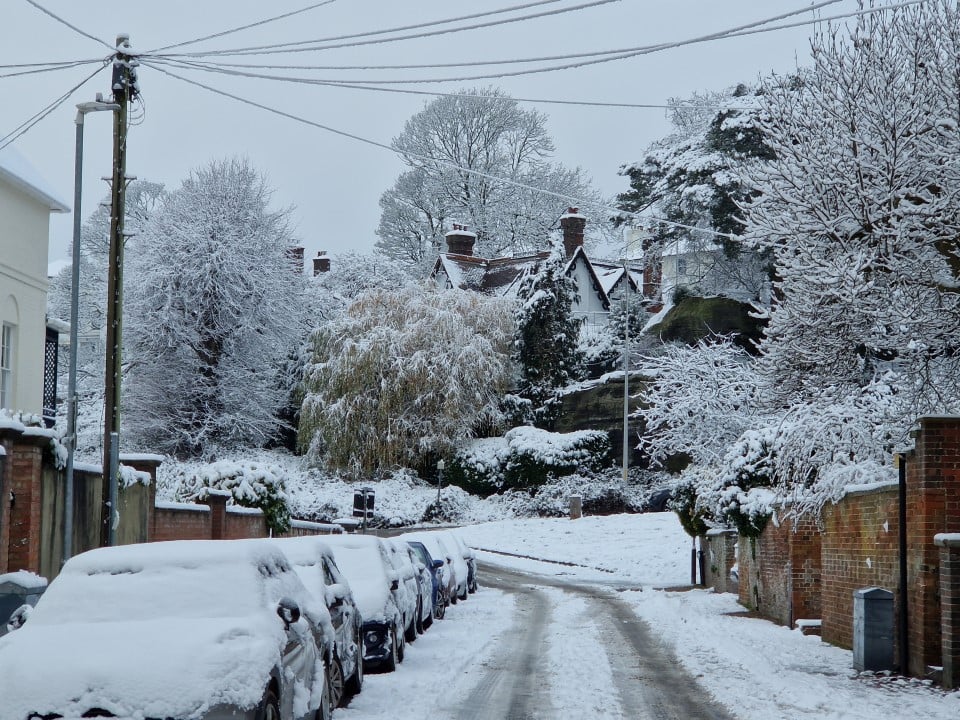
Enquanto the electoral process was reaching its peak, some areas of Japão were dealing with the first significant snow of the season. Relatos indicated that the province of Gunma, for example, recorded about three centimeters of snow in the plain of Essas weather conditions potentially influenced the movement of voters in certain regions, raising questions about the logistics of accessing voting locations.
Local authorities kept their attention focused on safety and traffic flow, seeking to minimize any impediment to popular participation. The simultaneity between a democratic event of such importance and natural phenomena such as snowfall highlighted the resilience of both infrastructure and citizens. Planning to ensure access to the polls amid weather warnings is a constant in countries that experience harsh winters.
Focus on economic and fiscal policies
The election’s political agenda was dominated by pressing economic issues, reflecting citizens’ concerns about the cost of living. Rising prices, a global and local challenge, boosted the discussion about government strategies to alleviate the family budget. The possibility of a reduction in consumption tax emerged as one of the most debated points, with different parties presenting varying proposals for this measure. Voters looked to candidates for concrete answers for financial stabilization and sustainable economic growth.
Record early voting and turnout
A notable fact from this election was the significant increase in early voting. Nos eleven days preceding the 7th, a total of 394,687 voters exercised their right to vote in advance, representing an increase of 100,490 people, or 34.2%, compared to the previous election. Este growth indicates greater awareness and an effort by citizens to ensure their participation, possibly motivated by the brevity of the campaign and the urgent issues at hand. Às 4pm on voting day, the estimated voter turnout was 21.16%.
Dynamics of the electoral process
The short period of 16 days between the dissolution of parliament and the vote imposed an accelerated pace on electoral campaigns. Partidos and candidates had to focus their efforts on transmitting their messages effectively and quickly, using different communication channels to reach the electorate. Essa intensive dynamics required agility in formulating proposals and interacting with the population, making the race for seats in Câmara of Representantes particularly competitive and concentrated.
The brevity of the election cycle has also raised debates about voters’ ability to deeply analyze proposals and make informed decisions in such a tight time frame. However, the high turnout for early voting suggests that many citizens were engaged and determined to participate despite the atypical conditions. The Japanese system frequently allows for such “flash elections”, a distinctive feature of its parliamentary democracy.
The experience of this election will certainly offer valuable insights for future campaigns, especially in relation to communication efficiency and the ability to mobilize in a short space of time.
Reactions and expectations about the results
As vote counting progressed after polling stations closed, expectations among the population and political analysts were palpable. The results of the election for Câmara of Representantes have the power to redefine the balance of forces in parliament, directly impacting governability and the implementation of public policies. The composition of the new chamber will determine the government’s ability to pass crucial laws and address economic and social challenges.
Observers hope that the outcome of the election will bring clarity about the direction that the Japão will take in relation to issues such as economic growth, post-pandemic recovery and public debt management. Investor confidence and market stability are also influenced by the perception of a strong and cohesive government.
The post-election panorama
With the publication of the results, attention will turn to the formation of new parliamentary blocs and the possible reconfiguration of political leadership. Negotiations between parties to form coalitions or alliances will be crucial for the stability of the government. The Câmara of the Representantes plays a key role in appointing the prime minister and approving the national budget.
Elected officials will face the immediate task of addressing voters’ concerns, especially those related to inflation and the cost of living. The promise of an effective economic policy will be put to the test with the need to implement concrete measures that generate a positive impact on citizens’ lives. The challenge will be to find a consensus among different proposals and priorities.
Além In addition to economic issues, the new legislature will also need to address issues such as national security, international relations and social policies, including the aging of the population. A government’s ability to deal with this complex range of problems will determine its longevity and success.
Details about snow occurrence
The snowfall that accompanied the election mainly affected mountainous areas and regions facing the Mar of the Japão. Em Maebashi, capital of Gunma, the occurrence of snow on the plain was the first of the season, indicating the early start of winter in some locations. Although Embora did not completely prevent voting, the snow added a complicating factor, requiring greater preparation from security and transport teams. Previsões indicated the possibility of greater accumulation at high altitudes, with risks of road interruptions and mobility difficulties for the general population.