
Patriots break Seahawks’ dominance with crucial 35-yard touchdown late in Super Bowl LX By Luís Henrique Costa
5 min read
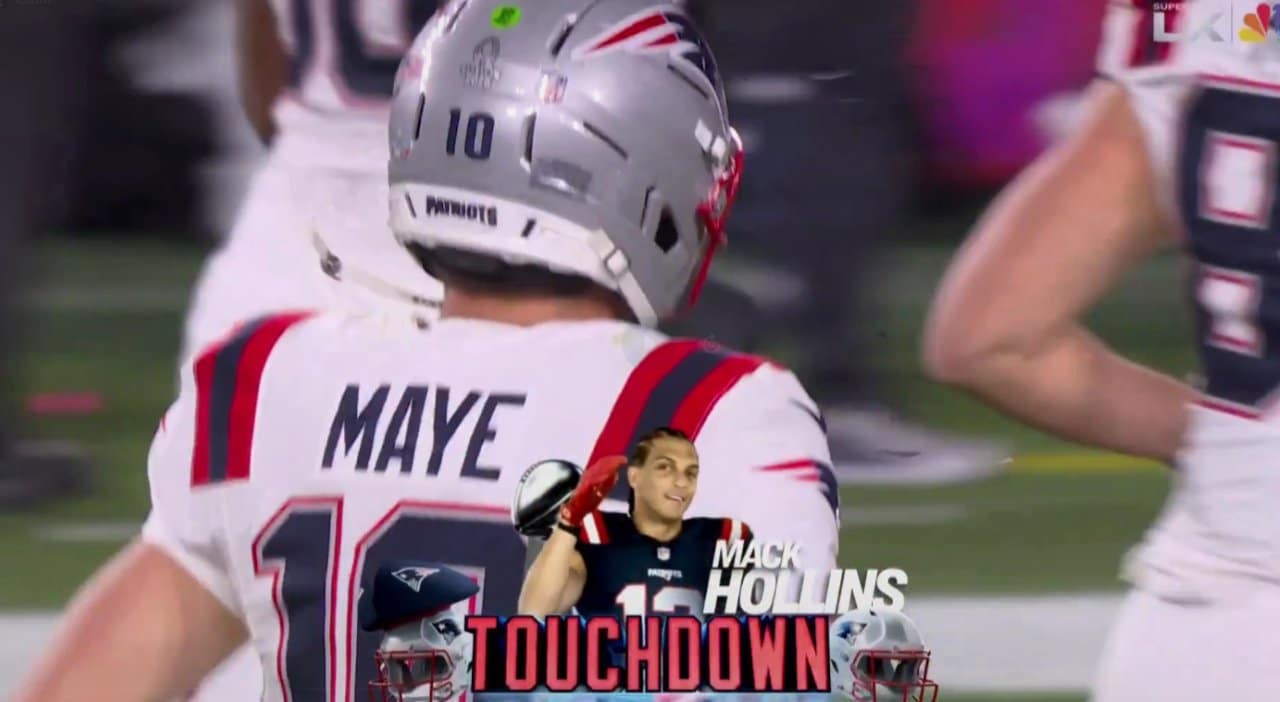 |
A match that seemed controlled by Seattle Seahawks took on dramatic turns in the last quarter of the Super Bowl LX, held on February 8, 2026.
The stage for the grand final, Levi’s Stadium in Santa Clara, Até At that point, the game’s narrative was completely dominated by Seattle, who built a solid advantage and seemed to be heading towards a comfortable victory.
The score rekindled the hope of the Patriots fans and turned the final minutes into a high-tension scenario. With the difference in the score reduced, the pressure now falls on both teams, where every possession and every tactical decision can define the new champion of the Vince Lombardi trophy.
The offensive campaign that changed the course of the match
The touchdown that put Patriots back in the game was the culmination of a lightning-fast offensive campaign, executed with surgical precision that surprised the Seattle Seahawks defense. In less than a minute, New England’s team covered 65 yards in just three plays, demonstrating a sense of urgency that had been absent during the first three quarters. The sequence began with a run by quarterback Drake Maye himself for a six-yard gain, followed by a 24-yard pass to Mack Hollins, which positioned the team in opponent territory. The decisive play was a deep, calculated throw by Maye, who found Hollins open in the end zone to seal the 35-yard score. The extra point converted by kicker Andy Borregales confirmed the seven points and completely changed the dynamics of the final.
The initial domain of Seattle Seahawks
Before Patriots’s reaction, Seattle Seahawks had imposed its pace of play in a methodical and efficient manner, building its advantage on the scoreboard with consistency. Kicker Jason Myers was a central piece in this strategy, showing coolness by converting four field goals from considerable distances: 33, 39, 41 and again 41 yards.
These scores, combined with control of ball possession, allowed Seattle to dictate actions and undermine the morale of New England’s team. The Seahawks defense was also solid, limiting the opponent’s attack opportunities and forcing unfavorable situations.
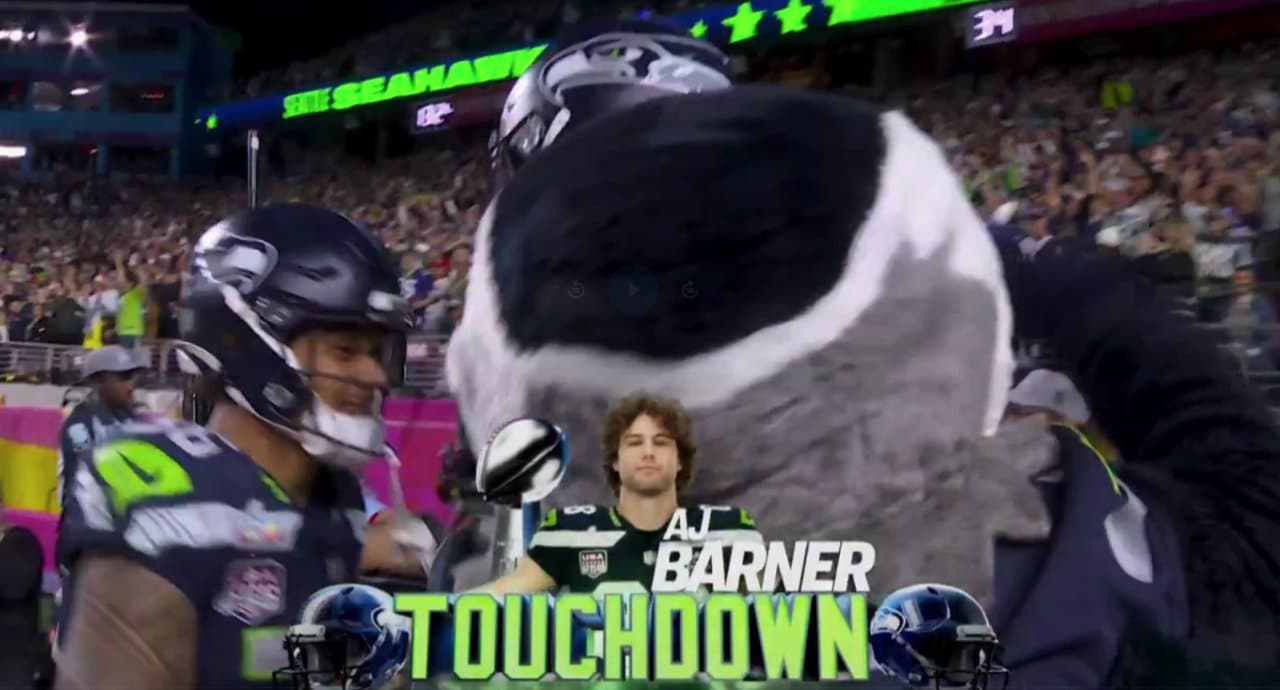
The lead was extended early in the fourth quarter when quarterback Sam Darnold connected on a 16-yard pass to tight end AJ Barner, resulting in a touchdown. With the extra point, the score reached 19-0, a difference that seemed almost insurmountable until the moment Patriots changed the seed.
The duel of strategies between the quarterbacks
The confrontation between the quarterbacks has been one of the most watched elements in Super Bowl LX. Drake Maye, for New England Patriots, had a performance of ups and downs. Apesar having commanded the touchdown campaign masterfully, he faced difficulties throughout the game, completing 10 of 20 passes for 119 yards. A fumble suffered earlier in the game interrupted a promising advance and cost his team dearly, highlighting the pressure exerted by the Seattle defense.
On the other hand, Sam Darnold, from Seattle Seahawks, presented a safer and more consistent performance, focused on managing the game and avoiding mistakes. Ele completed 17 of 34 passes for 188 yards and a touchdown, committing no interceptions or fumbles. Sua’s ability to make quick decisions and protect the ball was essential for Seahawks to establish and maintain control of the scoreboard for most of the match, forcing Patriots into a race against time.
Individual highlights in attack and defense
In the ground game, Seattle Seahawks demonstrated clear superiority, with running back Kenneth Walker III being the main name. Ele racked up 105 yards on 20 attempts, including an explosive 30-yard run that was vital in wearing down the opposing defense and keeping the clock moving.
In Seattle’s aerial game, wide receiver Cooper Kupp was Darnold’s most frequent target, securing 6 receptions for 61 yards. Tight end AJ Barner also stood out, not only for the touchdown, but for his 4 receptions that resulted in 54 yards.
On the New England Patriots side, the air attack was the main weapon. Mack Hollins became the reaction hero by recording 3 receptions for 67 yards and the touchdown. In the running game, Rhamondre Stevenson led with a modest 23 yards on 7 attempts.
Drake Maye’s mobility was also a factor, contributing 21 yards on 4 carries, often to escape pressure and gain important first downs at critical moments in the game.
The physical battle on the defensive lines
Seattle Seahawks’s defense was one of the team’s pillars throughout the game, with linebacker Ernest Jones IV leading in tackles, with a total of 7. The pressure on the quarterback was relentless, with Derick Hall recording 2 sacks and contributions from Milton Williams, Byron Murphy II and Devon Witherspoon.
For New England’s defense, defensive back Craig Woodson was the most active player, accumulating 9 total tackles, 7 of which were solo. Sua’s performance was crucial in containing Seattle’s advance on several occasions, although the defense as a whole struggled to stop the opponent’s running game.
Statistical analysis of the confrontation
The overall match numbers reflect the control exercised by Seattle Seahawks for most of the time. The team accumulated 297 total yards, a number significantly greater than the 143 yards gained by New England Patriots. Essa difference is also visible in the number of first downs, with Seattle obtaining 17 against just 7 for New England, which illustrates the difficulty of Patriots in sustaining offensive campaigns until the reaction in the last quarter.
Conditions and refereeing on the final stage
The NFL decision is being played under pleasant weather at Santa Clara, with the temperature reaching 14°C at the start of the match. The game, which started at 8:30 pm local time, takes place without any weather complications that could affect the athletes’ performance.
The refereeing team, led by the experienced Shawn Smith, has the responsibility of commanding one of the biggest sporting events on the planet, ensuring that the rules are applied rigorously and impartially in a high-intensity confrontation.