Advisor’s report exposes Senna’s distrust of Benetton and tension before Imola in 1994


New details about the behind-the-scenes of the 1994 season of Fórmula 1 have come to light through reports from Betise Assumpção, a professional who managed the communication and image of legality of opposing cars. The scenario described points to a three-time champion who, although at the height of his career, felt pressured by factors beyond his control on the track.
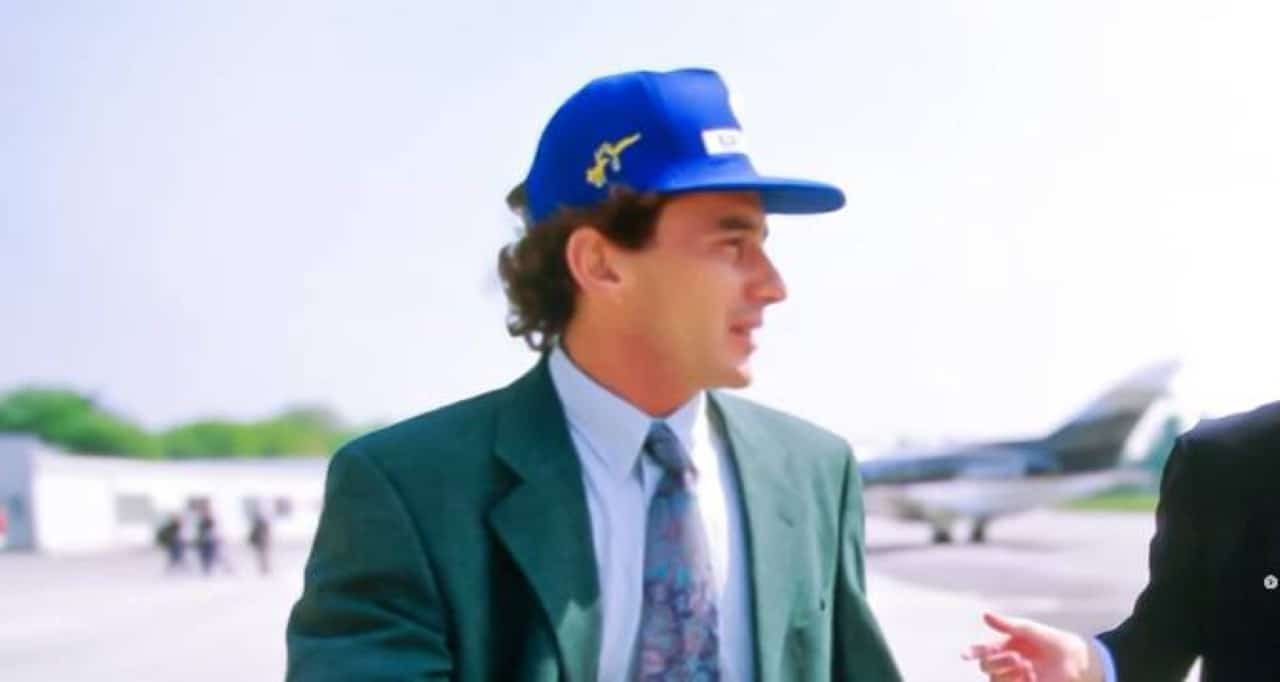
The central narrative focuses on Senna’s obsession with proving that Benetton, Michael Schumacher’s team, used electronic devices prohibited by that year’s regulations. Durante the GP of Pacífico, in Ayrton was convinced that the modulation of the sound of the Ford engine indicated the use of traction control, a technology that had been banned by the FIA for the 1994 season to increase competitiveness and safety.
Technical disadvantage and psychological pressure
The start of the 1994 championship was dramatic for Senna. Enquanto Schumacher accumulated victories and scored 30 points in the first stages, the Brazilian, driving an Williams FW16 that was unstable and difficult to drive, had not yet scored any points. The instability of the car, designed by the renowned Adrian Newey, was a constant source of frustration. The model suffered from the removal of active suspension, a feature that the Williams had mastered in previous years, making the vehicle unpredictable in high-speed curves and placing the driver in a position of physical and mental vulnerability.
For Senna, the dispute was not just technical, but a question of sporting justice. Ele felt that he was fighting with unequal weapons against an opponent who, in his opinion, was breaking the rules. Betise Assumpção reports that this perception of injustice consumed the pilot, who incessantly searched for ways to expose the rival team’s supposed irregularity. The rivalry with Schumacher began to take on a shape that was reminiscent of the historical clashes with Alain Prost, but with a more obscure and dangerous technical component.
The dark weekend in Ímola
The arrival at the circuit of Ímola marked the peak of tension. The atmosphere in the paddock quickly deteriorated with a sequence of tragic events that shook the confidence of all competitors. The serious accident of Rubens Barrichello on Friday, followed by the death of Austrian Roland Ratzenberger on Saturday, turned Grande Prêmio into a scene of mourning and fear. Relatos indicate that Senna was deeply disturbed and reluctant to compete, questioning the safety conditions of Fórmula 1 at that critical moment.
The management of Senna’s public image, coordinated by Assumpção, faced one of its biggest challenges. Era necessary to balance the figure of the national hero and global idol with the reality of a man shaken by the loss of colleagues and technical insecurity. Abaixo, the main points that culminated in the pressure on the driver that weekend stand out:
– The aerodynamic instability of the Williams FW16, which required extreme physical effort.
– A 30-point disadvantage in the championship compared to Michael Schumacher.
– Personal conviction that the Benetton used illegal traction control.
– The emotional impact of the serious accidents of Barrichello and Ratzenberger.
Legacy and crisis management
After the fatal accident at the Tamburello curve, the work of Betise Assumpção and the Senna team turned into preserving a legacy. The pilot’s death did not end that year’s controversies; Months later, the FIA found evidence of suspicious software in Benetton’s systems, although the team was never severely punished, claiming the code was not active. Para many experts and for Senna’s inner circle, the Brazilian’s suspicions were well founded, posthumously validating his anguish during the first tests in 1994.
The story of that season remains a complex chapter of Fórmula 1, where technology, politics and tragedy intertwined. The memories brought back by the advisor reinforce the image of a pilot who, in addition to fighting against the clock, was fighting an internal and external battle for transparency and safety, elements that would become central to the category only after his departure.