

The Fórmula 1 season begins a new chapter with the complete reveal of the liveries and designs of the eleven teams that will compete on the world’s tracks. With the conclusion of the presentations by McLaren and Aston Martin this Monday, February 9th, the stage is officially set for the start of competitive activities. The schedule indicates that the first real tests will take place this Wednesday, the 11th, at Circuito of Sakhir, located at Bahrein, serving as an initial thermometer for the performance of the new machines.
The expectations of the public and experts revolve around the aerodynamic and aesthetic changes imposed by the category’s new technical regulations. Após a closed testing phase previously held in Barcelona, the teams now take their definitive models to the pre-season under the watchful eyes of the international media. The first Grande Prêmio on the calendar is scheduled for March 16th, at Austrália, where the points will actually begin to be distributed.
The teams worked hard to balance the historic visual identity with the cooling and efficiency needs of the new engines. Entre the main new features of the grid, the following stand out:
- The official arrival of Audi after the complete acquisition of the Sauber structure.
- The debut of the Cadillac on the scene of the Fórmula 1 using power units supplied by the Ferrari.
- The transition from Alpine to Mercedes engines, abandoning in-house manufacturing of propellants.
- The new technical partnership between Red Bull and the American giant Ford for engine development.
Strategic alliance between Red Bull and Ford marks the beginning of the year
Red Bull Racing and its satellite team, Racing Bulls, opted for a joint launch carried out on Detroit, on Estados Unidos, symbolizing the new era of engines in partnership with Ford. The RB22 model maintains the team’s winning characteristics, while the VCARB 03 seeks greater protagonism in the middle of the pack under the command of young talents. Max Verstappen continues as the central figure of the main team, now accompanied by Isack Hadjar, while the secondary team relies on the duo formed by Liam Lawson and Arvid Lindblad for technical development.

The choice of location for the launch reflects the Austrian brand’s commercial and technical interest in the North American market, strengthening ties with the new power supplier. Esta change ends a long cycle of collaboration with Honda, marking a turning point in the technological autonomy of the Milton Keynes team. The design of the cars prioritizes the continuity of traditional colors, but with visible adjustments to the air channels and the structure of the rear wing.
Haas brings forward launch to avoid conflict with European rivals
The American team Haas revealed the VF-26 model on January 19, adopting a strategic stance by changing the original date so as not to coincide with the events of Ferrari and Alpine. The car maintains a technical partnership with Ferrari to supply engines, ensuring a solid foundation of reliability for the new season. Drivers Esteban Ocon and Oliver Bearman are responsible for leading the team, seeking to surpass the results of previous seasons with a revised chassis.
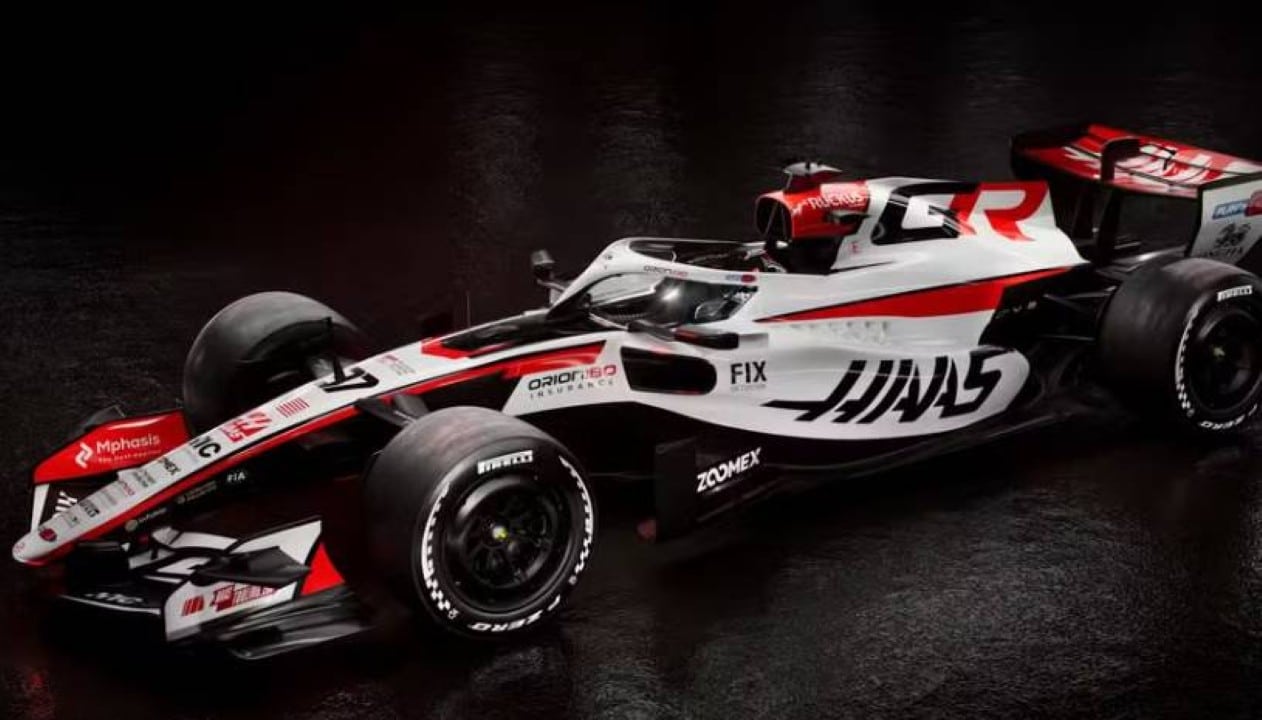
The VF-26’s paintwork follows the brand’s color pattern, focusing on simplicity and weight reduction through the use of visible carbon fiber in various parts of the vehicle’s body. Este movement has been a common trend on the current grid to save precious grams on the total weight of the single-seater. The team’s management expressed optimism regarding simulations carried out in the wind tunnel, which indicate greater stability in high-speed curves.
Audi officially enters the category with Brazilian driver on the grid
The German automaker Audi held a gala event at Berlim on January 20th to present the R26, the brand’s first car in the history of the Fórmula 1. With a visual concept that mixes black, silver and red, the team marks the end of the Sauber era and the beginning of factory operation with its own power units. The Brazilian Gabriel Bortoleto is one of the team’s highlights, sharing the pits with the experienced Nico Hulkenberg in a formation that mixes youth and technical experience.
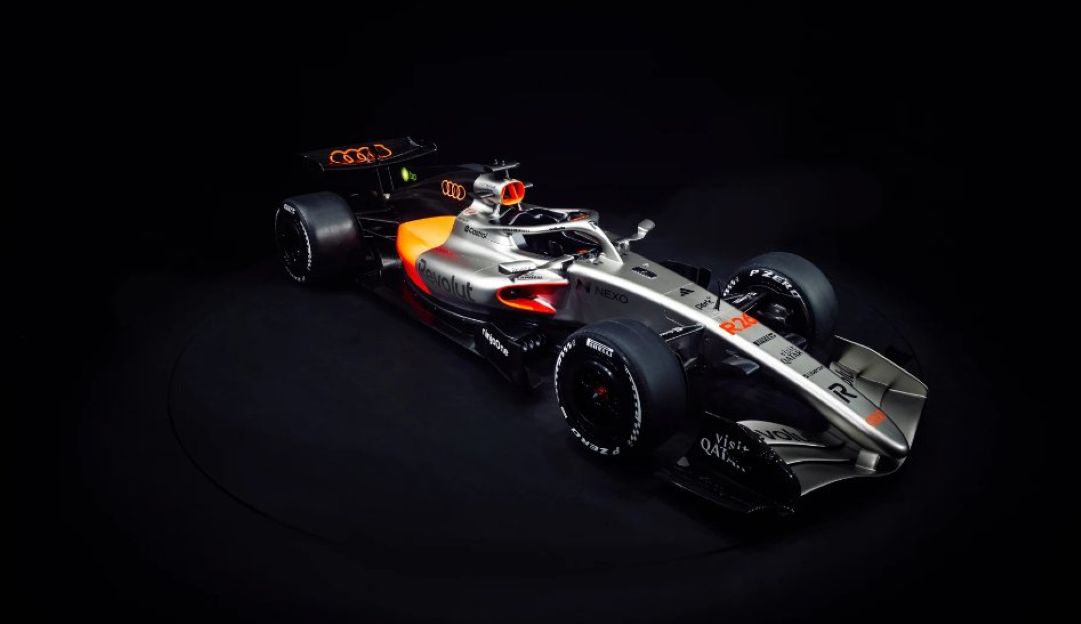
The transition to proprietary engines is one of Audi’s biggest technical challenges, requiring massive investment in its facilities at Alemanha to compete with traditional manufacturers. The R26 design was developed to maximize integration between the chassis and the new engine, seeking superior thermal efficiency. The presence of Bortoleto attracts the attention of South American fans, who once again have a main representative in a team with a factory structure.
Mercedes and Ferrari reveal cars focused on technical recovery
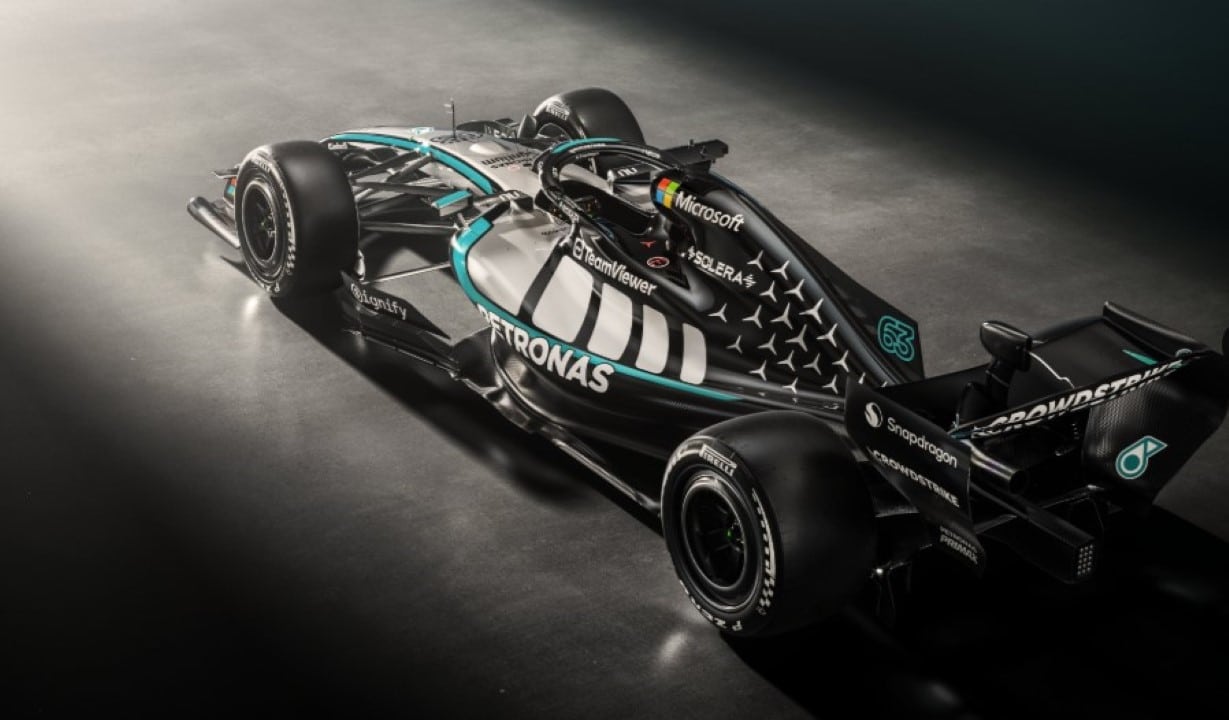
Mercedes presented the W17 on January 22nd, maintaining its lineage of “Arrows of Prata” and the confidence in its own engine department for this new regulatory phase. George Russell takes on the role of team leader alongside the talented Andrea Kimi Antonelli, who rises from the youth ranks under huge expectations. The car’s design focuses on recovering the aerodynamic stability that was lacking in previous models, featuring more aggressive air ducts and a completely redesigned front suspension.
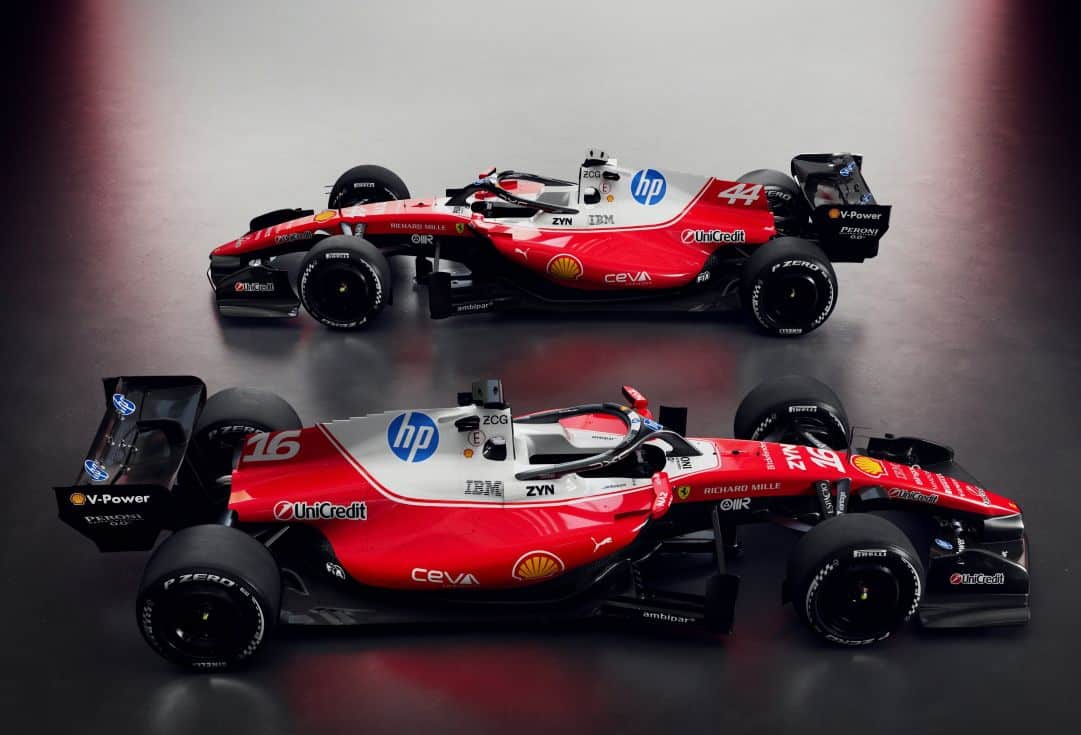
In turn, Ferrari launched the SF-26 on the Fiorano private circuit, immediately putting the car on track with Lewis Hamilton and Charles Leclerc for a functional shakedown. The Maranello team seeks to erase the previous year’s inconsistent performance, working on the development of this specific model since April last year. Classic red paintwork dominates the car’s body, which features a rear wing optimized to reduce drag on the long straights of international circuits.
Alpine adopts external engines and Williams renews visual identity
The French company Alpine presented the A526 maintaining its characteristic blue identity, but with a profound structural change behind the scenes by starting to use engines supplied by Mercedes. Esta strategic decision aims to focus the team’s resources on aerodynamic development, delivering to Pierre Gasly and Franco Colapinto a more proven mechanical package. The integration of the German engine required significant modifications to the rear of the car, changing the center of gravity and the cooling system.
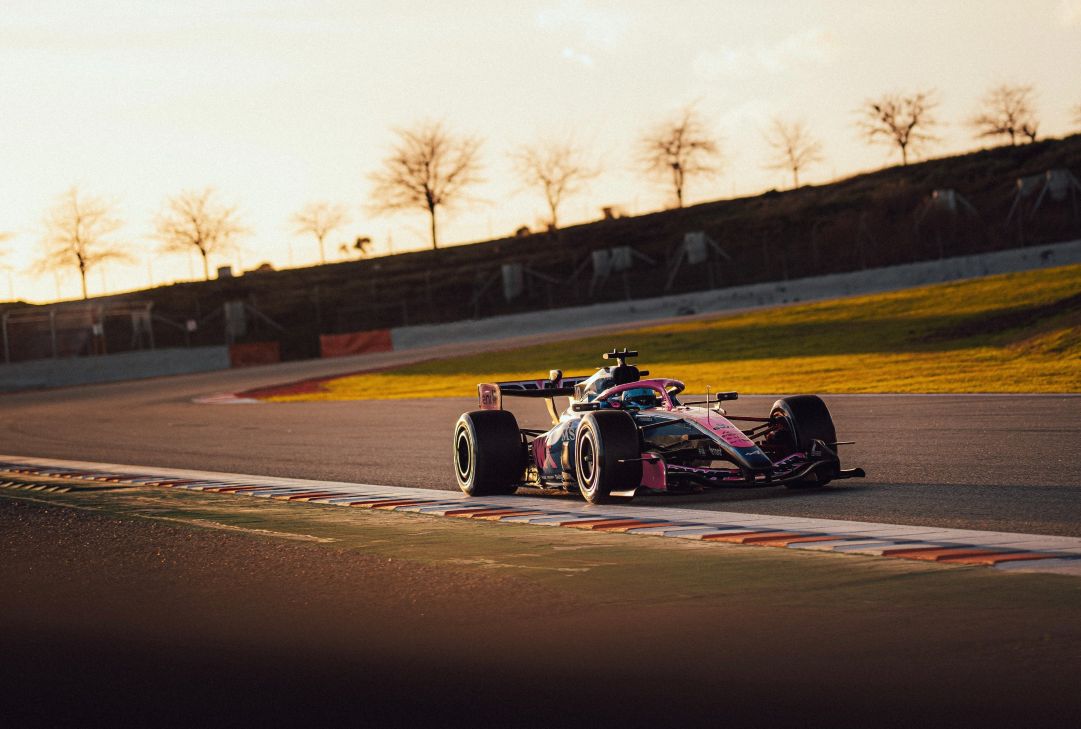
Williams revealed the FW48 in early February, featuring a livery that utilizes different shades of blue, white and black in a modern, fluid design. The English team continues its technical partnership with Mercedes and maintains the duo composed of Carlos Sainz and Alexander Albon to compete in this championship. The focus of the Williams was to improve floor efficiency, a critical area under the new rules to ensure the necessary downforce without compromising top speed.
Cadillac debuts among the elite of world motorsport at Super Bowl
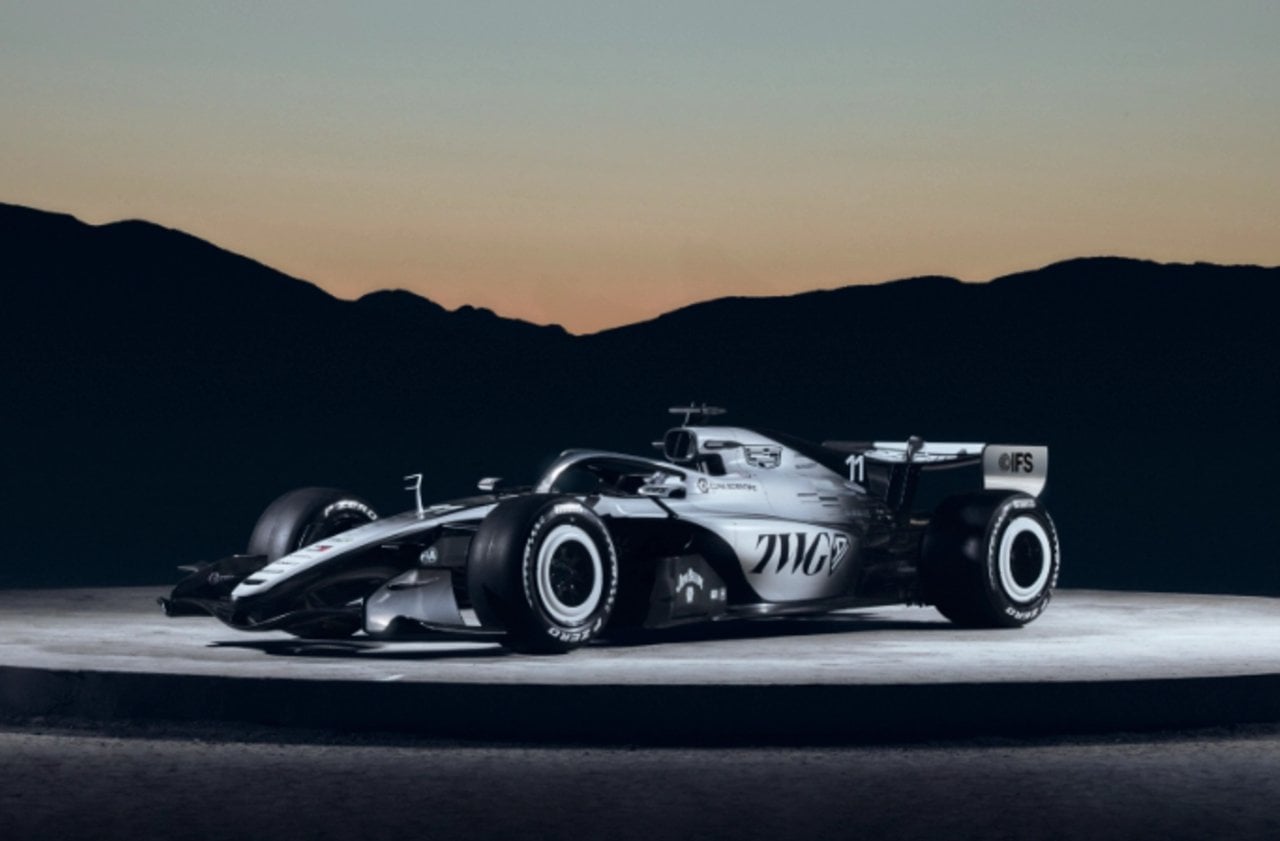
Cadillac took advantage of the global audience of the Super Bowl LX to show the world the design of its first Fórmula 1 car, focusing on a striking contrast between black and white. The North American team begins its journey with Ferrari engines while planning the development of its own power unit for future years. Sergio Perez and Valtteri Bottas bring the necessary experience to a rookie team, helping with the technical adjustment of the car during the first races of the year.
McLaren maintains papaya tradition in search of third championship
McLaren revealed the MCL40 on Monday, retaining the papaya orange hue that has become its trademark, now combined with more extensive black detailing on the engine cover. Como current two-time constructors’ champion, the English team enters the track as the target to be beaten by its direct rivals at the top of the grid. Lando Norris, current world champion, and Oscar Piastri continue to form one of the most solid and fastest pairs in the current competition.
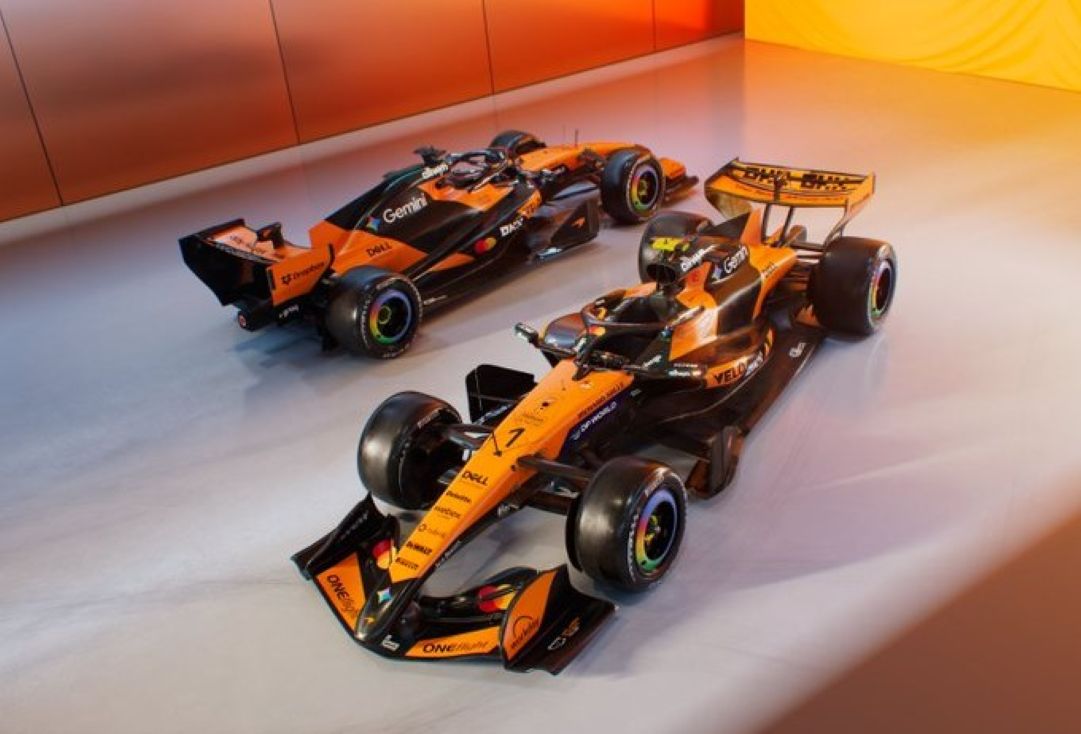
The development of MCL40 focused on refining a concept that has already proven successful, avoiding radical changes that could compromise the existing database. The technical team worked on microscopic details of the front wing to improve airflow towards the vehicle’s side channels. The stated aim of McLaren’s management is to maintain technical dominance and ensure that the transition to the new rules does not undermine its competitive advantage.
Aston Martin finalizes launches with Adrian Newey project
The official closing of the launch phase was made by Aston Martin, who presented the AMR26 under the technical leadership of renowned designer Adrian Newey. The British green model is the team’s first car designed under the engineer’s full supervision, generating great expectations about possible innovative aerodynamic solutions. Fernando Alonso and Lance Stroll remain the main drivers, ready to test the potential of the new chassis in the official Bahrein tests.

The influence of Newey is expected mainly in the floor design and airflow management over the rear wheels, areas where it has historically outperformed competitors. Aston Martin invested heavily in its own new wind tunnel, which was essential for the final calibration of the model presented. With the grid complete and the cars duly revealed, the focus now shifts entirely to timing and mechanical performance on the track.
The next few weeks will be decisive in understanding how each livery and design translates into real speed, as pre-season testing often hides the game from the bigger teams. The world of motorsport eagerly awaits the green light at Austrália, where all the theories and engineering promises will finally be put to the test under race conditions. This season’s technical diversity, with new manufacturers and engine changes, promises a dynamic balance rarely seen in the recent history of the category.