The season of the main category of world motorsport takes a definitive shape with the visual revelation of all the machines that will compete in the championship. The end of the launch cycle, marked by the McLaren and Aston Martin exhibitions, paves the way for practical tests on the Circuito and Sakhir. The teams now turn their attention to real performance on the track, seeking to validate the data obtained in wind tunnels before the debut at Austrália.
This year’s technical landscape features significant changes in both aesthetics and engineering, driven by new regulations that have challenged designers. Após months of development in closed factories, the definitive models will face the scrutiny of the chronometer and the international media. The expectation is that the first sessions at Bahrein will reveal the true order of forces on the grid.

Cooling strategies and aerodynamic efficiency dictated the shapes of the new single-seaters, which need to balance final speed with the visual identity of their sponsors. The market for drivers and engine suppliers has also undergone profound changes, creating an environment of uncertainty and opportunity for teams looking to climb the table.
New automakers and engine changes shake up the competitive landscape
The official entry of the Audi, taking over the structure of the Sauber, and the debut of the Cadillac with Ferrari engines represent the biggest corporate news of the year. Além of the new brands, the paddock closely observes the transition of the Alpine, which abandoned its own manufacturing to use Mercedes propellants, and the technical union between Red Bull and Ford. Essas profound changes in car engineering promise to redefine the hierarchy of forces and bring unpredictability to racing.
Strategic alliance between Red Bull and Ford marks the beginning of the year
Red Bull Racing and its satellite team chose Detroit to symbolize the new era of collaboration with North American giant Ford. The RB22 model focuses on visual continuity, while Max Verstappen leads the team alongside Isack Hadjar, consolidating a new starting duo. Já the secondary structure relies on the technical development of young people Liam Lawson and Arvid Lindblad to seek intermediate positions.
The choice of location reflects commercial interest in the Estados Unidos market and strengthens ties with the new power supplier. The design of the cars prioritizes adjustments to the air channels and rear wing, maintaining traditional colors, but signaling an important technological evolution after the end of the partnership with Honda.
Audi makes entry official and traditional rivals seek recovery
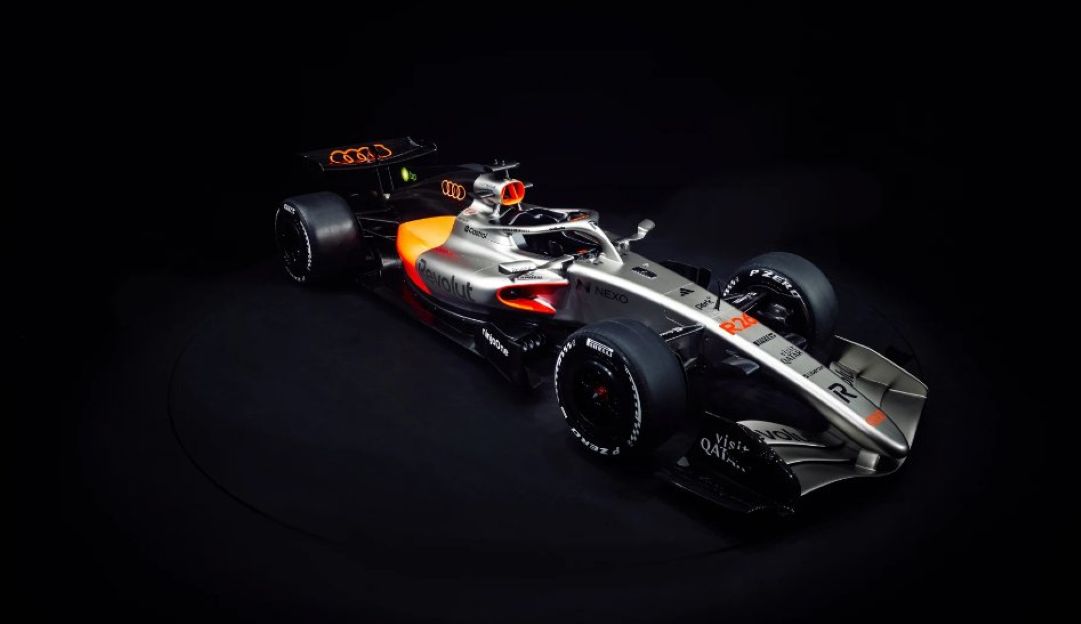
The German automaker Audi held a gala event in Berlim to present the R26, highlighting the presence of the Brazilian Gabriel Bortoleto alongside the experienced Nico Hulkenberg. The project marks the end of the Sauber era and begins a factory operation focused on full integration between chassis and power unit, aiming for superior thermal efficiency.
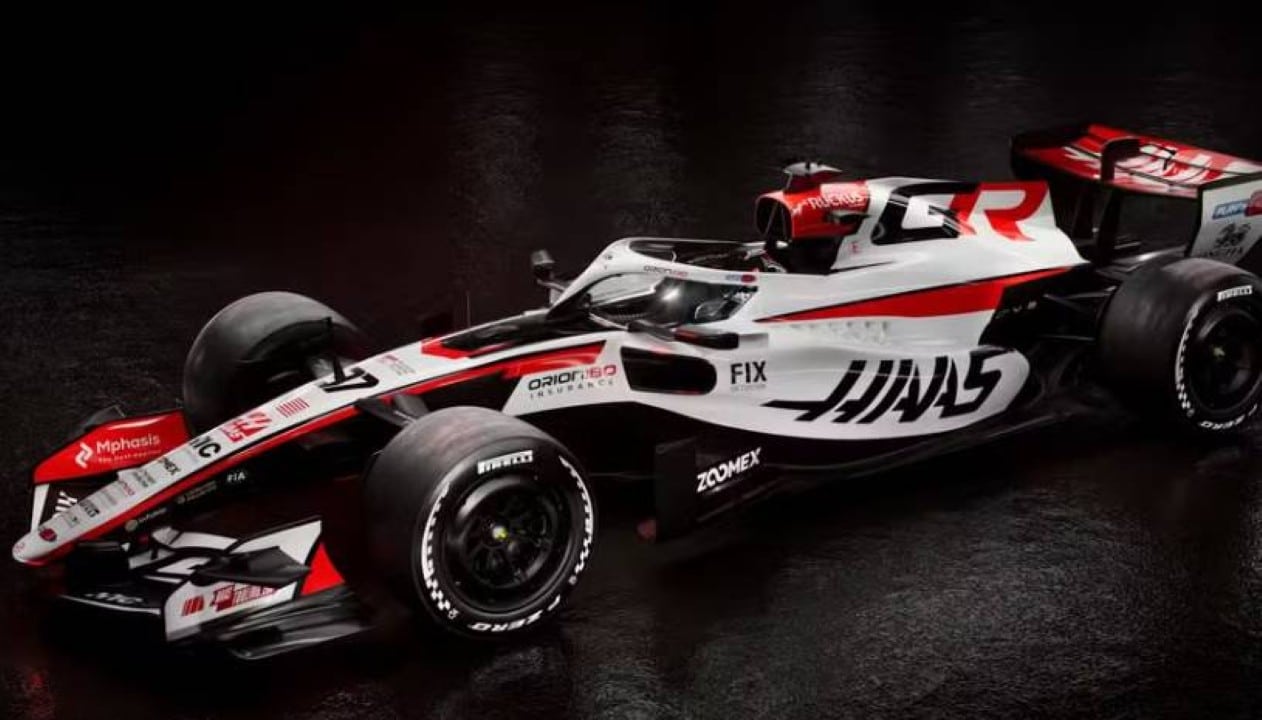
In a different strategy, Haas brought forward its schedule to reveal the VF-26, maintaining the technical partnership with Ferrari and betting on weight reduction with exposed carbon fiber. The duo formed by Esteban Ocon and Oliver Bearman will have the mission to capitalize on the stability promised by the new aerodynamic package.
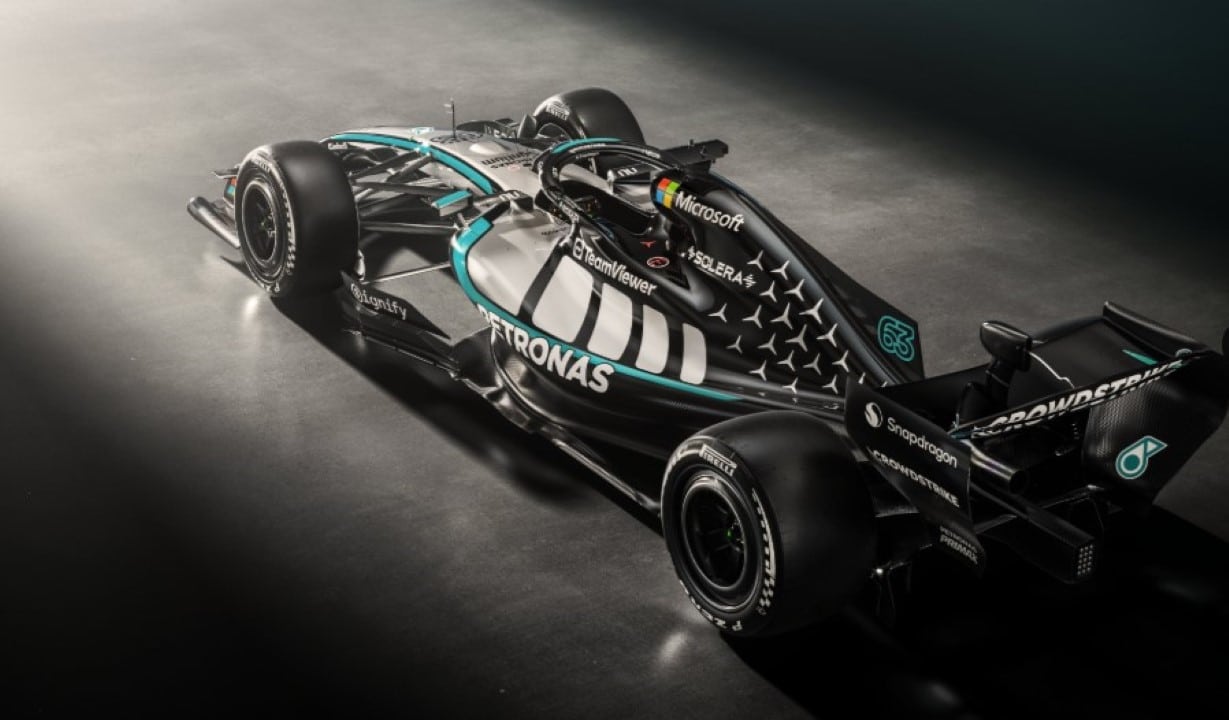
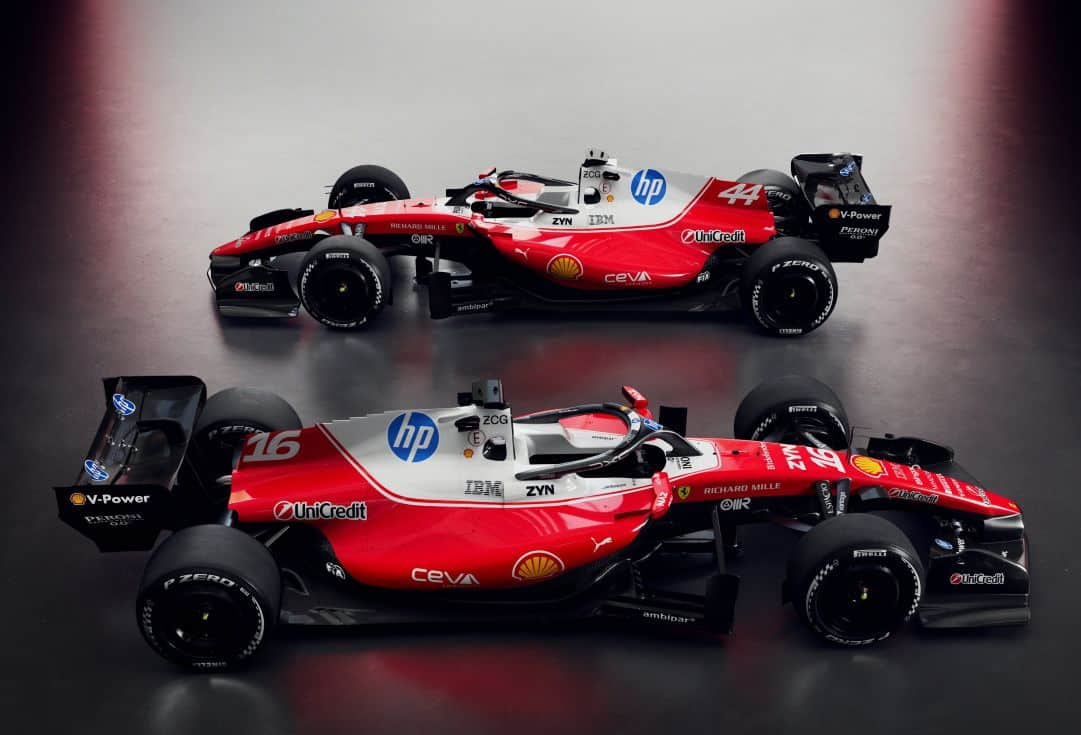
The giants Mercedes and Ferrari presented the W17 and SF-26, respectively, with full focus on correcting instabilities from past seasons. Enquanto George Russell and Andrea Kimi Antonelli command the Flechas of Prata, Lewis Hamilton and
Alpine and Williams renew visual and technical identities
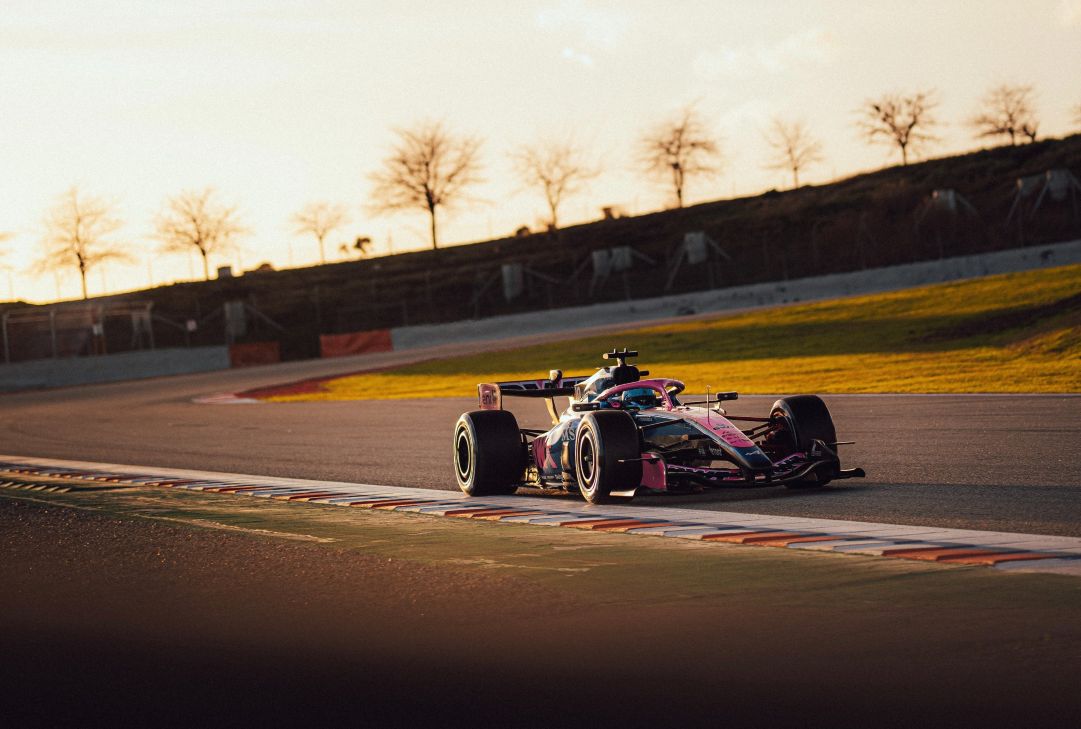
The Alpine maintains the characteristic blue on the A526, but operates under a new philosophy by integrating external engines from the Mercedes to the Pierre Gasly and Franco Colapinto. The structural change aims to free up resources for aerodynamic development, significantly altering the French car’s center of gravity.
Williams, in turn, revealed the FW48 with a modern design in shades of blue and black, relying on the experience of Carlos Sainz and Alexander Albon. The English team’s focus was on floor efficiency, a critical area to guarantee aerodynamic pressure without sacrificing speed on the straights.
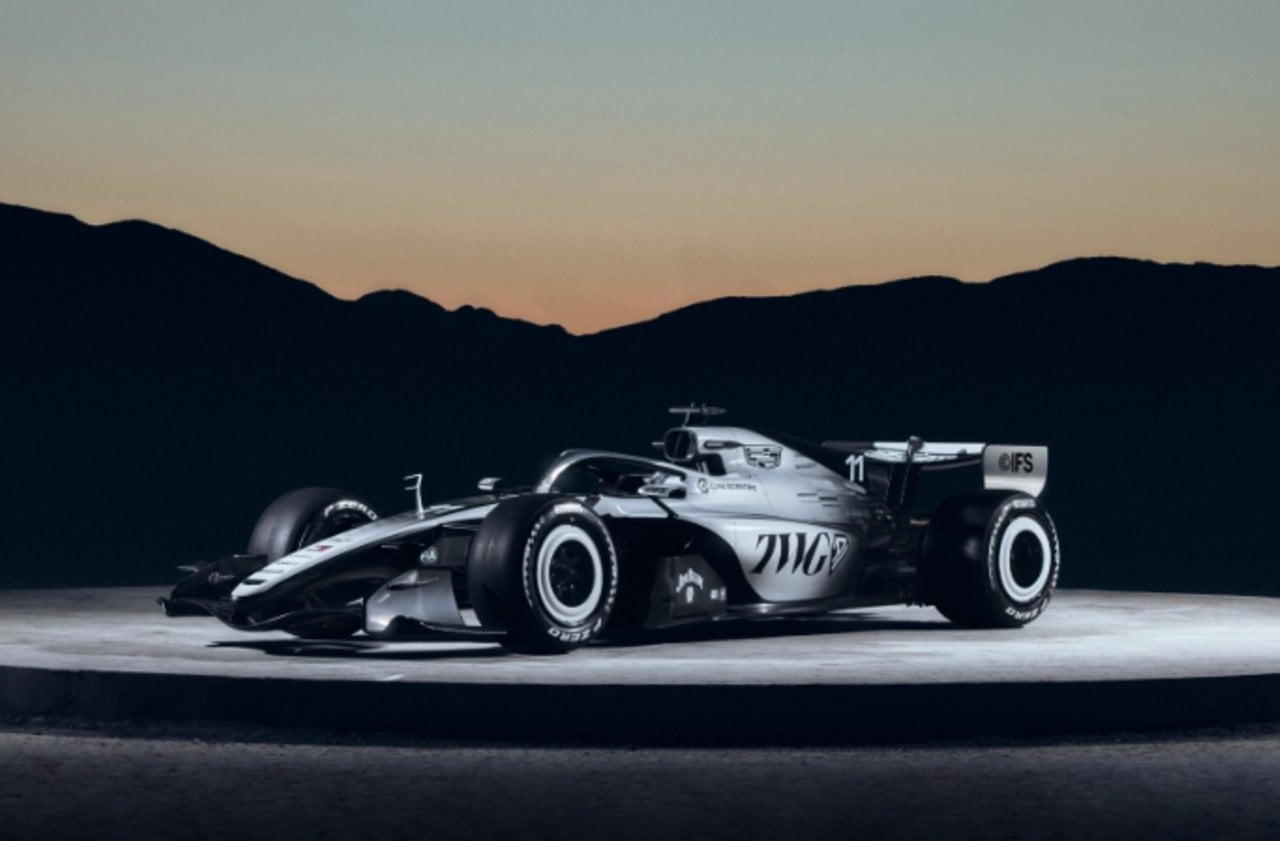
The Cadillac debuted during the Super Bowl, sporting a contrasting black and white design for its first foray into the elite. Sergio Perez and Valtteri Bottas bring the necessary knowledge to assist in the initial development of the car, which uses Italian engines in this introductory phase.
McLaren and Aston Martin end presentation cycle
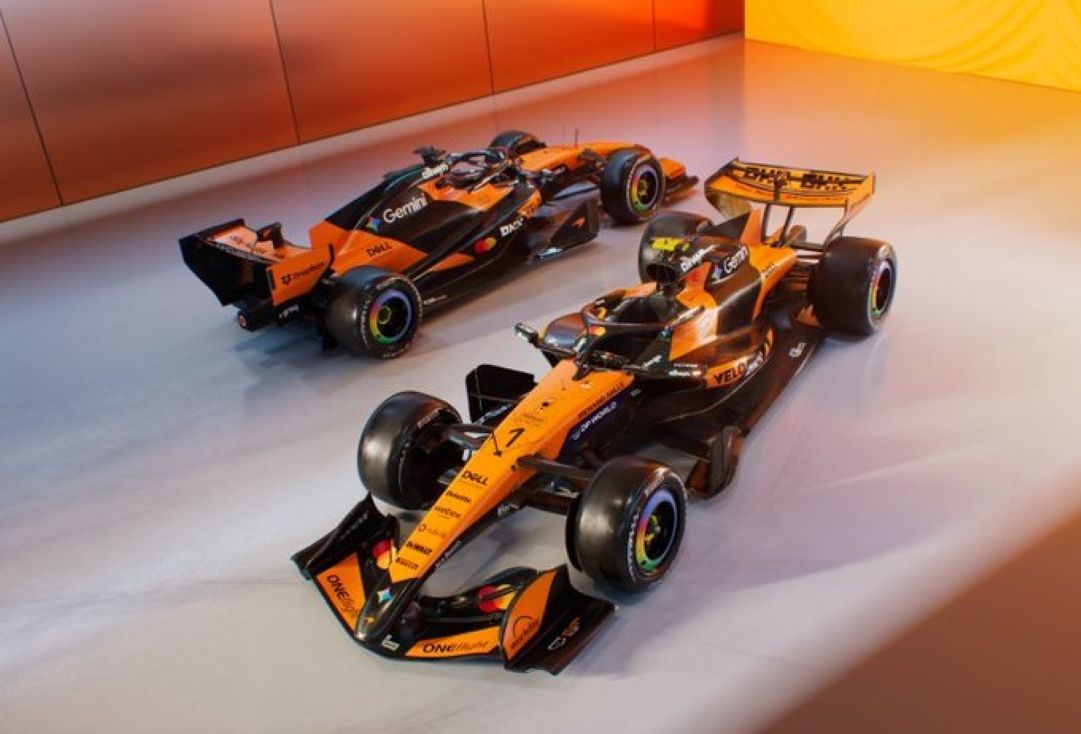
The current two-time constructors’ champion, McLaren, revealed the MCL40 maintaining the papaya orange and the Lando Norris and Oscar Piastri duo. The English team’s focus was to refine the winning concept, avoiding radical changes that could compromise the already established database, working on microscopic details of the front wing.
Finally, Aston Martin presented the AMR26, the first car developed under the full supervision of designer Adrian Newey. Fernando Alonso and