
HyperOS 3 global update brings system and AI improvements to more than twenty smartphones

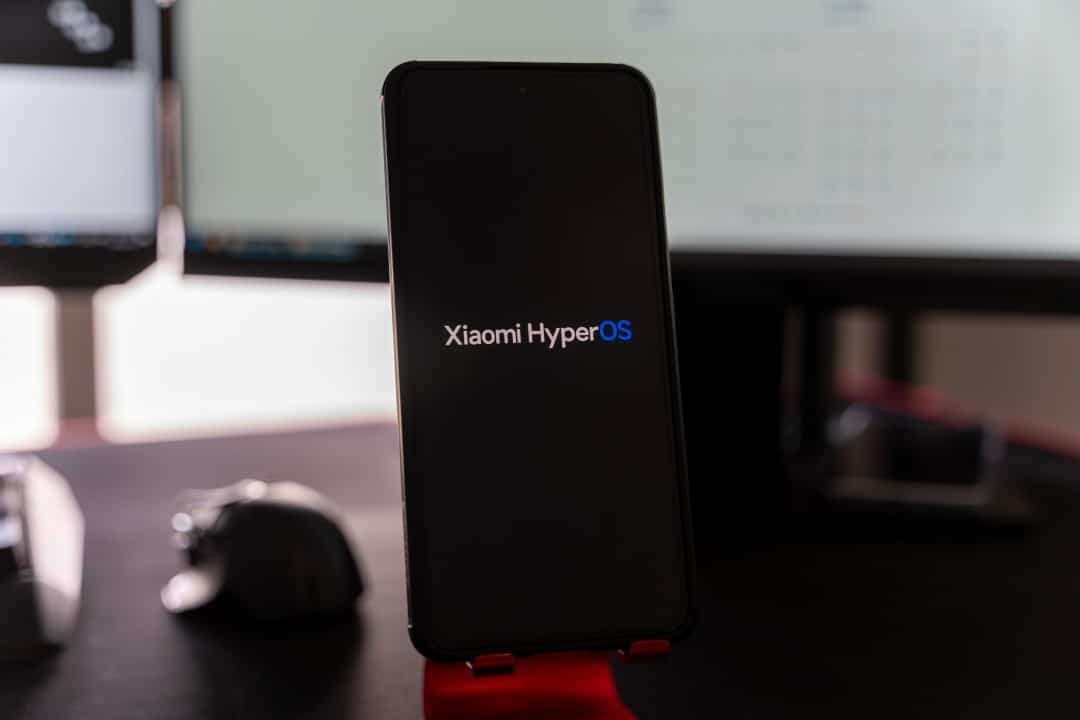
The Chinese technology giant has started the massive distribution of its latest user interface, focused on optimization and artificial intelligence. The new software arrives to redefine the user experience on a wide range of mobile devices, ranging from the most sophisticated models to high-volume intermediaries. Esta strategic update aims to not only modernize the operating system based on the latest Android architectures, but also extend the life of devices through more efficient resource management.
The system release process occurs gradually and staggered, ensuring stability for millions of users around the world. Proprietários of compatible devices have already started receiving download notifications via OTA, signaling the immediate availability of installation packages. The Brazilian market is included in this global route, ensuring that local consumers have access to news at the same time as other important regions, without significant delays in the manufacturer’s official schedule.

The new version of the operating system stands out for deeply integrating advanced neural processing and machine learning tools. The central proposal is to transform the cell phone into a proactive assistant, capable of anticipating needs and automating complex tasks that previously required constant manual intervention. Além Additionally, the software architecture has been refined to be lighter, taking up less storage space and requiring less processing power for day-to-day operations.
Technical evolution and intelligence resources
The development of HyperOS 3 focused heavily on the fluidity of animations and the haptic feedback of the interface, providing more visually pleasing navigation. Testes internal tests carried out by the brand’s engineering point to considerable energy optimization, with results indicating battery savings of up to 15% in mixed use scenarios. Esse Gain in autonomy is a direct result of a new background process management system, which freezes unnecessary activities more aggressively without compromising important notifications.
In the field of artificial intelligence, the system introduces the concept of “Xiaomi AI Brain”, a hybrid engine that operates both locally on the device and in the cloud. Essa technology enables impressive features, such as a native image editor capable of removing unwanted objects and reconstructing backgrounds with just a tap on the screen. The photo gallery can now identify people and elements for instant sticker creation, while the voice recorder offers high-accuracy transcriptions and automatic meeting summaries.
Contextual personalization also received special attention in this update, adapting the device’s behavior to the user’s habits. The system learns daily routines to suggest relevant applications at specific times or adjust sound and brightness settings depending on location, such as automatically activating silent mode when arriving at the work environment. Essas small automations add up to create a more organic and less intrusive user experience throughout the day.
Comprehensive list of eligible models
The manufacturer has confirmed an extensive list of devices that will receive the new software, demonstrating a commitment to long-term support. The top-of-the-line series is the first to benefit, encompassing all variants of the Xiaomi 15 family, including the models Ultra, Pro and the standard version. The previous generation was also fully covered, ensuring that users of the Xiaomi 14 Ultra, 14 Pro and 14, as well as the 14T series, have access to the same software innovations.
Models that marked an era due to their photographic performance and robust processing remain on the company’s list of priorities. Aparelhos as well as Xiaomi 13 Ultra, 13 Pro and the base version of Essa strategy reinforces the company’s policy of keeping its flagships updated for several Android cycles, valuing the investment made by consumers in high-performance hardware.
In the intermediate and premium segment, the Redmi sub-brand has a massive presence in the distribution of the new system. The update will arrive for the recent Redmi K80 Pro and K80, in addition to covering the popular Note line with the models Redmi Note 15 The Pro and the Redmi Note 14 are also guaranteed in the schedule, as well as the POCO F6 Pro and the tablet Xiaomi Pad 7.
Connectivity and integrated ecosystem
One of the fundamental pillars of this version is the improvement of the HyperConnect protocol, designed to eliminate barriers between different brand devices. The new structure allows for an almost magical interaction between smartphones, tablets and notebooks, facilitating the transfer of files through simple drag and drop gestures. Latency in communication between devices has been drastically reduced, making screen mirroring more stable and responsive for productivity or entertainment.
The integration extends to wearables, improving the synchronization of health data and notifications with smart watches and bracelets. The objective is to create an environment where the user can move between different screens without interruptions, answering cell phone calls directly on the laptop or continuing to read a document on the tablet exactly where they left off on the smartphone.
Safety recommendations for installation
To ensure that the migration to the new system occurs without incident, experts recommend a series of basic precautions before starting the process. It is mandatory to carry out a complete backup of all sensitive data, including photos, videos, contacts and documents, preferably in the cloud or on an external storage device. Essa preventive measure protects user information against any eventuality during firmware rewriting.
In addition to safeguarding data, it is crucial to check the physical condition of the device before accepting the update. The download of the data package, which is usually large, must be done over a stable and secure Wi-Fi network to avoid file corruption. The manufacturer also advises that the device has at least a 50% battery charge or connected to the charger throughout the installation procedure, avoiding sudden shutdowns that could compromise the system’s functioning.
Keywords and search
HyperOS 3, Xiaomi, update, Android 16
list of compatible cell phones



