
New generation of Nissan Serena bets on a hybrid system and bold look to lead the minivan segment By Carolina Costa
4 min read
 |
The Japanese automotive industry is preparing to receive one of the most anticipated launches of the year, with the official arrival of the sixth generation of the minivan that promises to redefine standards of comfort and efficiency in the family segment. The model, which has already accumulated significant pre-sale numbers, has its commercial debut scheduled for the first months of the year, bringing a strategic combination of bold design and mechanical innovations. The automaker’s bet is clear: to offer a vehicle that balances the versatility necessary for everyday life with the cutting-edge technology demanded by modern consumers.
This launch is not just an aesthetic update, but a direct and aggressive response to the main competitors on the market, such as the Toyota Noah and the Honda Stepwgn. Desenvolvida under the concept of “Big Easy Fun”, the new minivan seeks to maximize interior space while delivering a more intuitive and connected driving experience. The brand’s strategy involves providing a complete safety and driver assistance package, aiming to attract families who prioritize protection and ease of use in urban and road travel.
Aesthetic evolution and generous dimensions
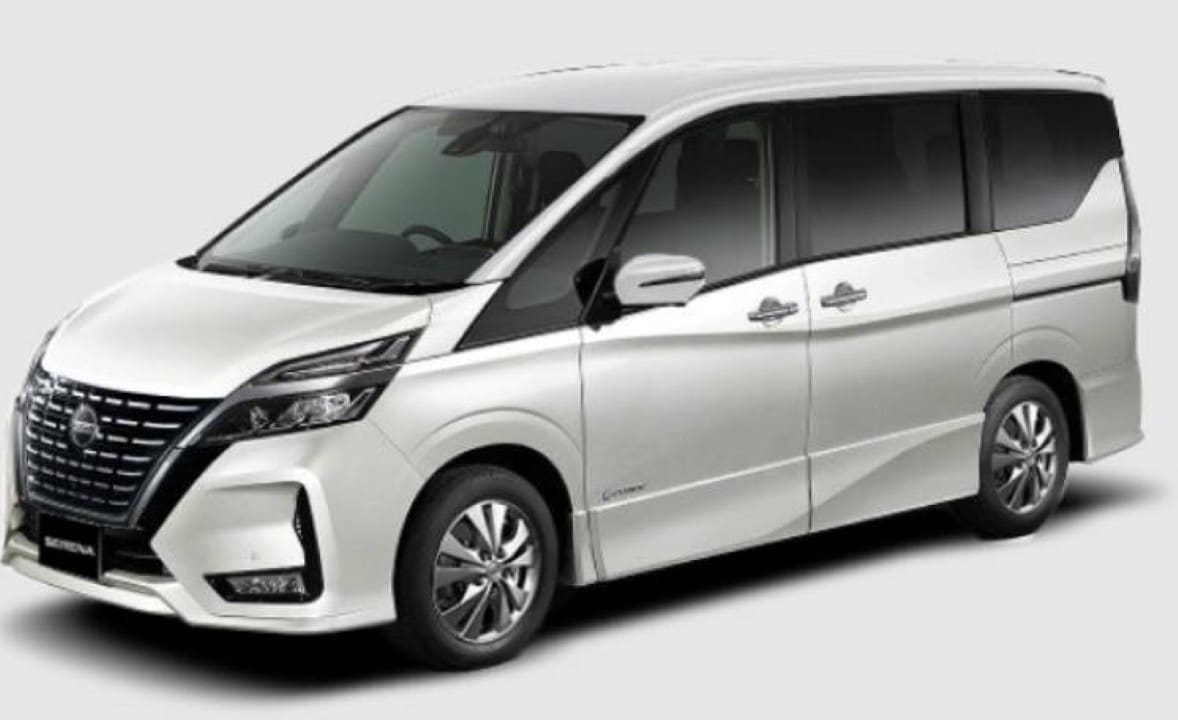
The vehicle’s external appearance has undergone a significant transformation, adopting a more sophisticated and futuristic design language. The highlight at the front is the new “V-Motion” grille, which harmoniously integrates the LED headlights, creating a unique and imposing light signature. The side lines were sculpted to reduce the perception of volume, adding dynamism to the traditionally square silhouette of minivans, while the rear received vertical lights that reinforce the feeling of stability and width.
In terms of dimensions, engineering focused on millimetric optimization to ensure maximum use of the cabin:
– Comprimento total of 4,765 mm, facilitating maneuvers in urban spaces.
– Distância wheelbase of 2,870 mm, providing ample legroom.
– Largura optimized to maintain agility in traffic without compromising shoulder comfort.
The internal configuration was designed to accommodate seven or eight passengers with superior comfort, using high quality materials that elevate the perception of luxury on board. Acoustic insulation has been reinforced, and the suspension has been recalibrated to minimize body roll, a crucial factor in reducing motion sickness on long journeys, especially for children.
Connectivity and embedded technology
The instrument panel has been fully digitized, featuring a modern interface that integrates two 12.3-inch screens into a single continuous frame. The NissanConnect infotainment system now offers native integration with Google services, including Mapas and Assistente, allowing the driver to control multiple functions via voice command and access real-time traffic information without distractions.
To make maneuvering easier, the model has an intelligent peripheral vision monitor, which offers a 360-degree view of the vehicle’s surroundings, essential for parking in tight spaces. Além In addition, the inclusion of USB ports in all rows and Wi-Fi onboard connectivity ensures all occupants remain connected throughout the journey.
Efficient motorization with e-POWER technology
Under the hood, the new generation offers two distinct engine options to suit different consumer profiles. The entry-level version maintains the 2.0-liter gasoline engine, available with front or all-wheel drive, focused on traditional cost-benefit. However, the big star of the line is the second generation hybrid system.
The improved e-POWER system uses a 1.4-liter gasoline engine that works exclusively as a power generator, while the wheels are driven 100% by a high-performance electric motor. Este set delivers 163 horsepower and 315 Nm of torque, providing linear and silent acceleration, similar to that of fully electric vehicles, but without the need for external recharging. The e-Pedal Step technology allows you to drive using only the accelerator most of the time, simplifying operation in heavy traffic.
Exclusive versions and advanced security
The range of versions was designed to cover different price ranges and needs. The Highway Star V configuration stands out for its sporty appeal, with exclusive bumpers and alloy wheels, making it one of the favorites of the young public. Já the top of the line version, called Luxion, raises the technological bar by incorporating the ProPilot 2.0 system, which allows hands-free driving on highways under certain conditions, in addition to offering a premium finish in synthetic leather and chrome details.
Safety is reinforced by the e-4ORCE system in all-wheel drive versions, which manages braking force and four-wheel drive independently. Isso results in greater stability on curves and slippery surfaces, ensuring peace of mind for the driver on rainy or snowy days.
Competitive prices and high demand
The market positioning of the new minivan is aggressive, with prices ranging from approximately 2.78 million yen for the entry-level gasoline versions, to around 4.99 million yen for the sophisticated Luxion version with e-POWER technology. Essa pricing strategy aims to capture both rational customers and those looking for the most in technology.
Reception from the Japanese public has been extremely positive, generating long waiting lines that can last up to a year for specific configurations. The immediate success reflects consumer confidence in the model’s renewal and pent-up demand for family vehicles that offer real energy efficiency without sacrificing interior space.



