
Railway in Japan operated remote station for years to ensure student travel to local school By Luís Henrique Costa
4 min read
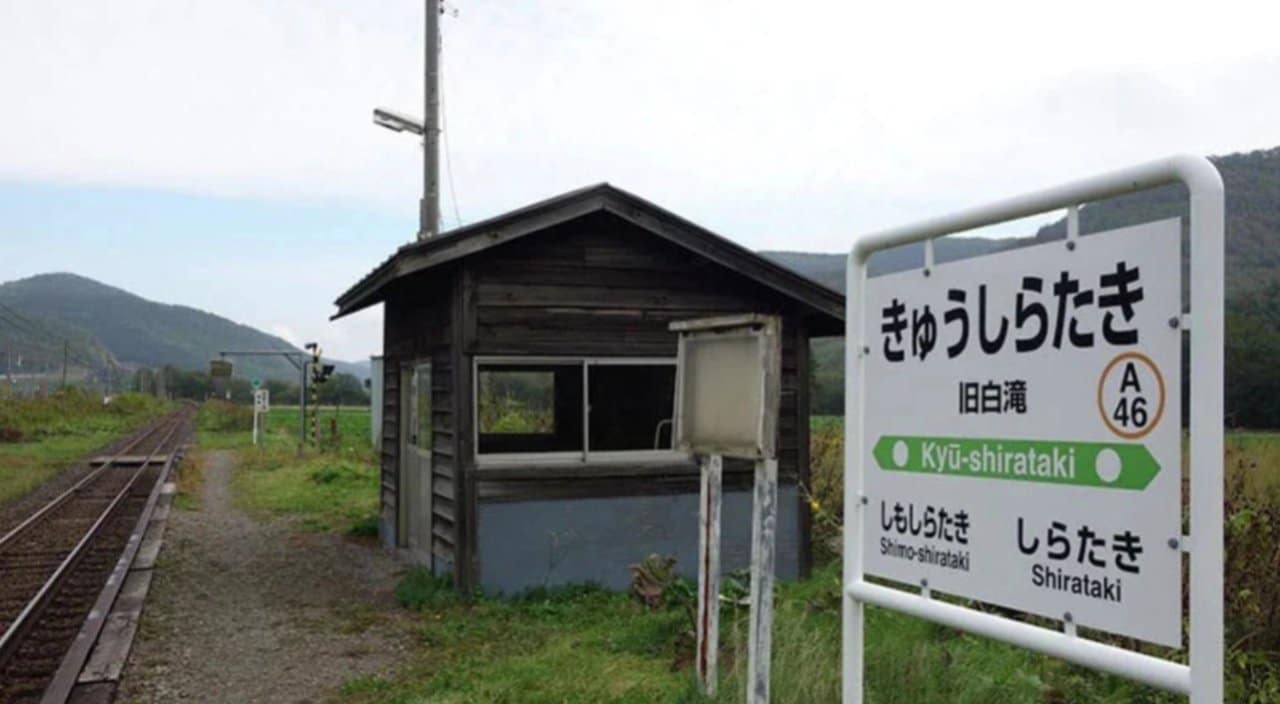 |
An administrative measure adopted by the operator JR Hokkaido, on the island of Hokkaido, became a case study on the social responsibility of public transport companies in areas with low population density. The company maintained the Kyū-Shirataki station, located in the municipality of Engaru, in operation, despite economic indicators that suggested the need for its immediate closure due to chronic underutilization. The decision was supported by the identification of an essential demand: the daily commute of a high school student who depended exclusively on that stop to attend classes, which led the corporation to postpone the closure of activities at the location until the completion of the young woman’s school cycle.
The direct beneficiary of the action was Kana Harada, whose educational routine was intrinsically linked to the operation of the railway line. Maintaining the service allowed the student to complete her basic training without the need for unfeasible travel or residential changes forced by the lack of infrastructure.
The definitive closure of the station only occurred in March 2016, a date that coincided with the student’s graduation ceremony. The episode gained notoriety for illustrating how essential services can be adapted to meet individual needs in regions affected by demographic decline.
Demographic context and restructuring of the road network
At the beginning of the 2010s, JR Hokkaido began a broad review process of its rural operations, motivated by the sharp population decline in the northern region of The technical analysis pointed to the financial unviability of several secondary stations, which recorded a passenger flow close to zero. Dentro of this restructuring plan, terminals such as Kami-Shirataki and Shimo-Shirataki were also listed for deactivation, reflecting a scenario of contracting demand for mass transport in dispersed communities.
The identification of the school need arose during the collection of data on the remaining users of the threatened lines. The company found that, although the overall volume of traffic was insufficient to justify operational costs from a purely commercial perspective, the interruption of service would have a disproportionate impact on access to education for young people living in those areas. Essa evaluation led to the temporary preservation of the stop used by Harada, prioritizing the railway’s social function over immediate efficiency metrics.
The persistence of service on Kyū-Shirataki required the operator to temporarily ignore economic pressures affecting the island’s entire rail system. Infrastructure maintenance, even if minimal, involves fixed security, track maintenance and personnel costs, which were absorbed by the company to guarantee the continuity of student transport during the necessary period.
Operational adjustments and schedule routine
To make the operation viable without generating excessive waste, the station’s timetable was adjusted to specifically meet the student’s needs. The synchronization of trains not only followed the circulation logic of the main line, but also considered the entry and exit times of the high school attended by the young woman. Essa logistical customization transformed the stop into an almost dedicated service point, although the trains continued to serve other locations along the route.
The routine imposed by the scarcity of timetables required absolute precision on the part of users and railway operations. Missing a trip could mean being unable to return home or missing classes, given the lack of alternative modes of transport in the rural region of Engaru. Key aspects of this operation included:
- Strict synchronization with the local school calendar.
- Limitation of stops only to necessary embarkation and disembarkation times.
- Monitoring demand to confirm continued use by the student population.
- Maintaining the platform’s safety conditions for regular use.
Despite the external perception of an “exclusive train”, the Sekihoku Main Line line continued to operate regularly, transporting other passengers between larger destinations. The exclusivity referred to the stop at Kyū-Shirataki station, which occurred practically only to meet the demand for Harada, while at other times the trains passed directly through the location without boarding or disembarking.
Clarifications on the operation and repercussions
The disclosure of the case generated varied interpretations about the extent of the service provided. It is essential to clarify that JR Hokkaido did not create a new line, but rather kept a pre-existing station active within a commercial route. The administrative decision focused on not removing the stop from the operational grid, which differs from making an entire train available to just one person, although the practical effect for the student was to guarantee vital transport.
The episode served to illuminate the difficulties faced by Japanese rural areas, where the aging population and the migration of young people to large urban centers make maintaining public services a constant challenge. The history of Kyū-Shirataki remains a documentary record of attempts to adapt legacy 20th century infrastructures to the new demographic realities of the 21st century.