
Rising global prices due to AI favors the expansion of Chinese memory brands with lower prices

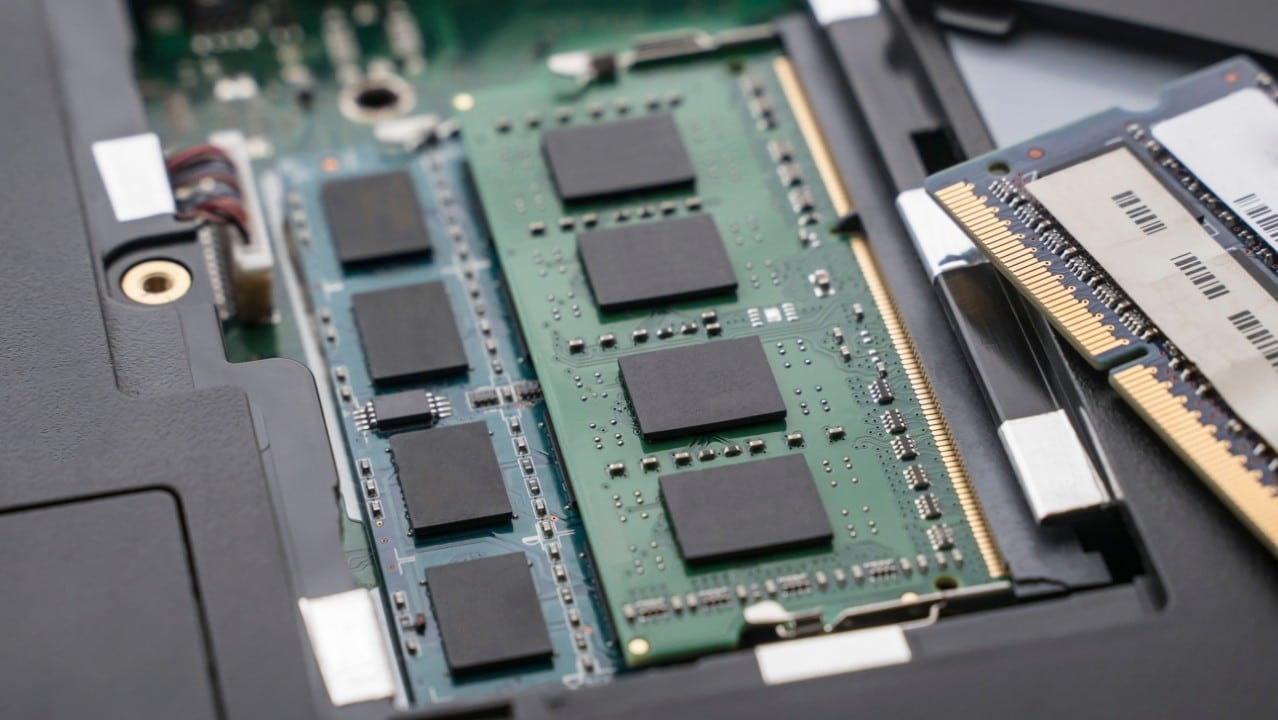
The technological scenario of 2026 presents a striking paradox in the electronic components industry, dividing the world into two distinct consumer realities. Enquanto the international market faces an abrupt escalation in hardware costs driven by the artificial intelligence fever, China is taking the opposite path with greater product availability. Fabricantes locations take advantage of the vacuum left by large corporations to consolidate their presence and offer economically viable alternatives to consumers.
The disparity in prices and supply is a direct result of the priorities adopted by the giants in the sector, which turned their assembly lines to serve data centers. Essa strategic move generated a shortage of components for traditional retail outside of Ásia, creating a unique opportunity for companies like CXMT and YMTC. Essas companies accelerate their production to fill the domestic demand gap, keeping prices affordable while the rest of the world deals with component inflation.

Impact of artificial intelligence on costs
The first quarter of 2026 saw an increase of approximately 90% in DRAM memory prices on the global market, a direct reflection of the competition for advanced computing resources. The massive need for HBM components for training complex language models has forced market leaders, such as Samsung, SK Hynix and Micron, to reallocate their production capabilities almost entirely to servers.
This concentration of efforts in the high-performance corporate segment drained the supply of DDR4 and DDR5 modules intended for personal computers and consumer electronics. With the forecast that 70% of global production of cutting-edge DRAM will be absorbed by data centers this year, the tendency is for values to remain under pressure, affecting everything from notebook manufacturers to end consumers looking to update their equipment.
In some Western markets, shortages are already causing critical situations, with DDR5 modules exceeding the US$900 barrier.
Strategic growth of Chinese manufacturers
Against the backdrop of the global supply crisis, ChangXin Memory Technologies (CXMT) established itself as the fourth largest DRAM producer on the planet. The company already has around 11% of global installed capacity and projects a jump to 14% by next year, supported by billion-dollar investments in new production lines and manufacturing infrastructure.
Simultaneously, Yangtze Memory Technologies Corp (YMTC) moves aggressively into the NAND flash storage sector. The company’s goal is to conquer 15% of the global market by 2028, relying on the development of domestic equipment to reduce dependence on foreign technologies and guarantee productive autonomy.
Both corporations benefit directly from their international competitors’ focus on high-bandwidth memory. By maintaining the production of conventional chips at a rapid pace, they are able to meet pent-up demand and expand their commercial influence, offering essential products that big brands have left in the background.
Competitive advantage in the domestic market
The volume strategy adopted by Chinese companies resulted in a substantial difference in prices charged within the country compared to abroad. Enquanto global consumers face high premiums, a 32 GB DDR4 memory kit can be found at China for values close to US$138, ensuring continuous access to performance hardware.
Reports from shopping centers in Shenzhen indicate stable and diversified stocks of local memories, contrasting with the supply constraints observed in regions that rely exclusively on imports. Essa availability reinforces local consumer loyalty and validates the quality of national products compared to more expensive foreign options.
Global testing and future prospects
Faced with the difficulty in obtaining components from traditional suppliers, large international computer manufacturers began to look at the China as a viable solution. HP-sized Empresas, Dell, Acer and Asus began qualification and testing processes with CXMT chips, evaluating the integration of these components into their global supply chains.
Technical approval of these products could mean a tectonic shift in the semiconductor industry’s balance of power. If compatibility and performance tests confirm the viability of Chinese memories, the historical dominance of South Korean and American brands could be diluted, offering the market a necessary diversification of suppliers.
To sustain this growth, CXMT plans to go public at Xangai and expand its factories at Hefei. Plans include not only increasing DDR5 production for the common consumer, but also the development of proprietary HBM technologies and partnerships with local suppliers, aiming to also compete in the premium segment in the long term.



