
Sakhir Autodrome hosts Formula 1 tests focusing on new engines and aerodynamic changes By Thiago Lemos
4 min read
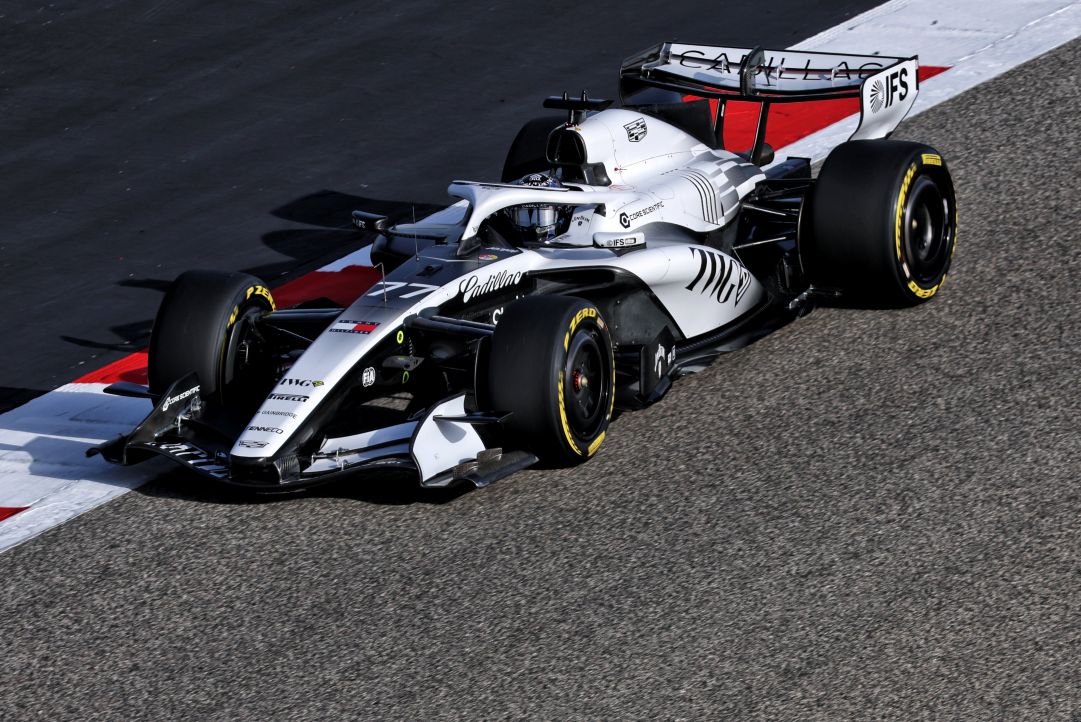 |
The 2026 Fórmula 1 season begins its decisive phase with the confirmation of track activities at the Bahrein, marking the introduction of a new regulatory cycle in the category. Entre on the 11th and 20th of February, the Circuito of Sakhir will be the stage for two windows of intensive testing, where the teams will put new aerodynamic concepts and hybrid power units to the test. Federação Internacional of Automobilismo validated the schedule, establishing this period as the final test before the championship opens at Austrália.
This year’s technical scenario presents unique challenges, with single-seaters that have undergone weight reduction and simplified active aerodynamics. Validating data obtained in simulators during the European winter becomes crucial, as each kilometer driven on real asphalt will provide vital information about the cars’ behavior.
Back. On. Track. 😤
This week, we’re putting the class of 2026 through their paces at Testing in Bahrain!#F1 #F1Testing pic.twitter.com/UBvYLIJ4HJ
—Formula 1 (@F1)February 9, 2026
The desert’s high temperatures will serve as the first major test for energy recovery and refrigeration systems. Engenheiros and mechanics will work under pressure to ensure the reliability of the new electronic components withstands the demands of the upcoming competition on March 8th.
Preliminary results and absences in Espanha
Before the trip to Oriente Médio, the teams carried out a shakedown on the Barcelona route between January 26th and 30th, focusing on basic systems checks. The activity at Catalunha highlighted the performance of Lewis Hamilton, who recorded the fastest times driving his new Ferrari car, generating positive expectations about the Italian team’s performance.
The Mercedes demonstrated robustness in its design, completing the highest accumulated mileage during the testing days on the Espanha, with a total of 500 laps without serious failures. On the other hand, Williams did not participate in the activities due to delays in chassis production, which will force Alexander Albon and Carlos Sainz to maximize the track time available on Bahrein to compensate for their absence.
- Lewis Hamilton topped the timesheets during the shakedown in Barcelona.
- The Mercedes team accumulated 500 laps, standing out for its initial reliability.
- Audi and Cadillac focused on software integration during their time at Espanha.
- Red Bull carried out calibrations on the new engines developed in partnership with Ford.
Session dynamics and official schedule
The schedule at The morning activities will begin at 4am local time, followed by a break for adjustments, with the cars returning to the track between 1pm and 5pm. Essa division allows you to evaluate tire wear and mechanical behavior both under intense sunlight and in milder temperatures at dusk.
The second week of testing, scheduled for February 18-20, will shift the focus to full race simulations and full-tank performance evaluations. The interval between the two sets of tests will be used by the factories at Europa to produce spare parts and updates based on data collected in the first few days, aiming to correct faults before final approval.
New partnerships and market movements
The grid features unprecedented configurations with the entry of Audi as a factory team and the debut of Cadillac as the 11th force in the championship. Gabriel Bortoleto takes ownership of the Audi alongside Nico Hulkenberg, having responsibility for developing the car in its debut season. Cadillac relies on the experience of Sergio Pérez and Valtteri Bottas to lead its initial project in the highest category of motorsport.
Other significant changes include Honda’s exclusive partnership with Aston Martin, now under the technical direction of Adrian Newey, and the promotion of Andrea Kimi Antonelli into Mercedes. The young Italian driver will form a pair with George Russell, occupying the vacancy left by Hamilton, and will have in the Bahrein tests the essential opportunity to adapt to the starting procedures and communicate with the team.
Technical aspects and data collection
Cars will enter the track equipped with downforce sensors, known as aero rakes, to compare real airflow with wind tunnel simulations. The use of flow vis paint will be constant to visually map the efficiency of the new wings and floor, ensuring that the solutions adopted for the 2026 regulations work as planned.
Data correlation is the main objective, allowing teams to early identify problems such as instability at high speeds or cooling system failures. The use of the extra power mode and the overtaking button will also be extensively tested to define the most efficient engine strategies for the first stage of the world championship.