
Using ChatGPT to create portraits goes viral on social networks and raises ethical questions about digital art and anime By Luís Henrique Costa
4 min read
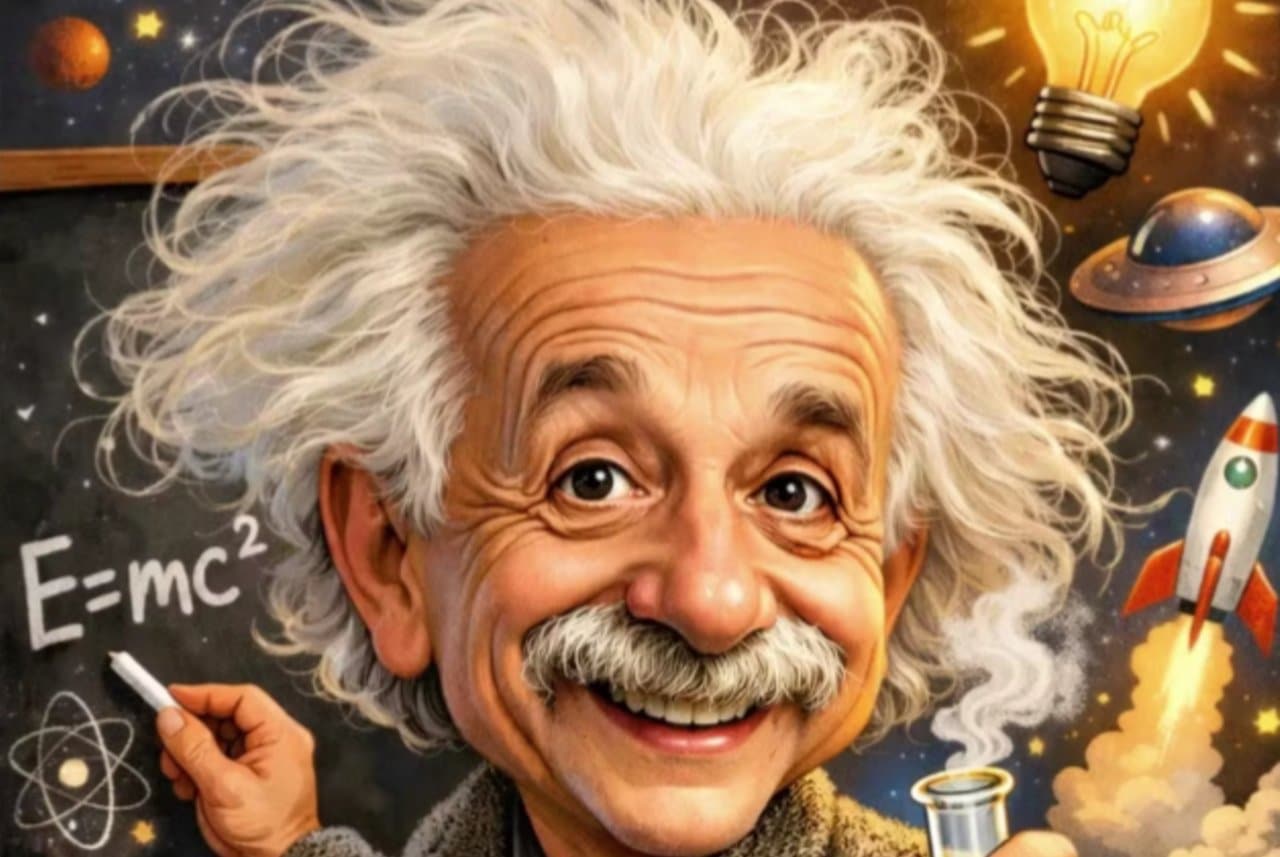 |
Social networks have recently consolidated a new dynamic of digital interaction where users use artificial intelligence to transform ordinary selfies into highly stylized illustrations. The movement goes far beyond traditional photo app filters, employing complex generative algorithms that interpret facial features and recontextualize them in different artistic schools. Essa ease of access to advanced design tools has democratized the creation of personalized avatars, allowing anyone with a smartphone to recreate their digital image in seconds.
Integrating visual capabilities into text platforms, like OpenAI’s latest updates, has allowed the process to become intuitive. By uploading a photograph and providing specific textual instructions, the system analyzes the face’s geometry, lighting and expressions to generate a new image that maintains the user’s identity but completely alters the visual aesthetic.

Technology experts point out that this trend reflects a change in consumer behavior, which increasingly seeks hyperpersonalization in the virtual environment. The ability to see yourself represented in styles that would previously require hours of work from a human artist has generated massive engagement, driving the sharing of these images across all major social media platforms.
The phenomenon of anime aesthetics and the controversy with studios
One of the highlights of this wave of viralization involved the transformation of real photos into characters that simulate the unmistakable trait of Studio Ghibli. Milhares of users flooded the internet with versions of themselves that looked like they came straight out of acclaimed films like “The Viagem of Chihiro” or “My Amigo Totoro”. The nostalgia evoked by this specific style served as a catalyst for the massive popularization of the tool, attracting even those who do not follow the technical development of AIs.
However, this appropriation of established artistic styles did not occur without resistance from the creative community and copyright holders. The ease with which artificial intelligence mimics decades of artistic refinement has sparked heated debates about intellectual property and the originality of machine-generated works. Artistas argue that models are trained on billions of images without proper consent or compensation to the original creators.
The discussion took on a more serious tone with positions from legendary figures in the industry. Hayao Miyazaki, co-founder of Studio Ghibli and one of the most respected voices in global animation, has publicly expressed his discomfort with AI-generated art. In previous statements that resonate strongly in the current scenario, the director classified the attempt by machines to emulate human emotion as something that repulses him, arguing that art should be an intrinsic expression of the soul and life experience, something unattainable for an algorithm.
Essential commands and how the tool works
To obtain satisfactory results, users have learned to refine the way they communicate with artificial intelligence. The secret to a faithful caricature is not just in the photo sent, but in the precision of the “prompt” or text command that accompanies the image. The detailed description works as a guide for the neural network to understand which elements should be prioritized and which atmosphere should be applied to the final composition.
Among the most effective instructions shared on technology forums are requests that contextualize the image. Solicitações like “analyze my features and recreate me as a 90s Japanese animation protagonist” or “turn this photo into a renaissance oil painting while maintaining the original expression” tend to generate the most impressive results. The specificity in the description of lighting, scenery and line style is crucial to the quality of the final product.
Diversification of imaging platforms
While ChatGPT has captured some of this attention due to its accessible conversational interface, it is not the only tool shaping this market. Plataformas dedicated exclusively to visual generation, like Midjourney, DALL-E and Stable Diffusion, continue to evolve, offering even more granular controls for digital artists and enthusiasts. Competition between these technologies has accelerated the development of features that allow partial edits and merging of styles with a precision that was unimaginable just a few years ago.
The future of these applications points to an even greater integration with everyday life, where the line between real photography and digital artistic interpretation will become increasingly blurred. Enquanto legal and ethical issues continue to be debated in courts and studios around the world, the general public continues to experience the infinite possibilities of visual reinvention provided by artificial intelligence.



