
Formula 1 teams begin decisive tests at the Sakhir circuit ahead of season debut By Carolina Costa
4 min read
 |
The countdown to one of the most anticipated seasons in the history of motorsport entered its critical phase with the arrival of the teams at Bahrein. Circuito Internacional of Este period is fundamental for the validation of the new aerodynamic concepts and power units that define the current technical regulations, marking a significant break with the previous era of the category.
The track work at Sakhir represents the first real opportunity for engineers and pilots to compare data obtained in simulators with the reality of abrasive desert asphalt. Diferente of the shakedowns held at the end of January at Barcelona, where the focus was on basic systems checks and promotional shoots, the sessions at The elevated track temperature and variable wind conditions provide the ideal setting to test the resistance of new tire compounds and the efficiency of redesigned cooling systems.
戻る。の上。追跡。 😤
2026 年卒業生のペースを試させます。#F1 #F1テスト pic.twitter.com/UBvYLIJ4HJ
— フォーミュラ 1 (@F1)2026 年 2 月 9 日
The movement in the pits reveals the natural tension of a year of great changes. With the championship’s debut scheduled for March 8th at Austrália, time for corrections is scarce. The teams divided the schedule into two blocks of intense activities, seeking to accumulate as much mileage as possible to avoid reliability surprises that could compromise the start of the dispute for points.
Hamilton and the new dynamics of Ferrari
One of the central focuses of international coverage is the integration of Lewis Hamilton into Scuderia Ferrari. Após the bombastic transfer that ended his long cycle at Mercedes, the seven-time British champion has already completed his first laps in the red jumpsuit during the preliminary tests at Espanha. The partnership with Charles Leclerc promises to be one of the highlights of the competition, requiring the Italian team to provide balanced management between two elite drivers.
During the initial phase in Barcelona, Ferrari focused its efforts on validating the aerodynamic correlation of the new chassis. The Maranello team, like its rivals, needs to ensure that the numbers seen in the wind tunnel translate into lap times. The Mercedes, in turn, demonstrated solidity by completing around 500 laps with its new model, focusing extensively on the durability of components under continuous stress, an indication that reliability will be a valuable currency in this new cycle.
The Aston Martin also attracts curious looks, now relying on the technical genius of the Adrian Newey. The arrival of the designer, known for interpreting regulations like no one else, puts the British team in a position of potential technical surprise. The adaptation of Fernando Alonso to the new car and the design solutions implemented by Newey are eagerly awaited by the technical analysts present in the pit lane.
Challenges of active aerodynamics and hybrid engines
The 2026 regulations introduced radical changes to the architecture of the cars, which are now approximately 30 kilos lighter and have a reduced wheelbase. However, the biggest revolution is in active aerodynamics. The system, which replaces the old DRS with more complex drag management, allows drivers to switch between high downforce modes for corners and low drag modes for straights, aiming to maximize energy efficiency.
The power units have also undergone a complete redesign, with a power split of 50% coming from the internal combustion engine and 50% from the electrical system. Essa parity required suppliers such as Honda, now an exclusive partner of Managing this energy throughout a fast lap will be crucial for overtaking and position defense.
Another point of attention is the behavior of cars in turbulence situations. With the introduction of new floors and the elimination of certain aerodynamic appendages, there is concern about the return of “porpoising” (vertical jumps at high speed). The teams will use the days at Bahrein to adjust the height of the cars and the stiffness of the suspensions, trying to find the perfect balance between performance and comfort for the drivers.
The arrival of new powers on the grid
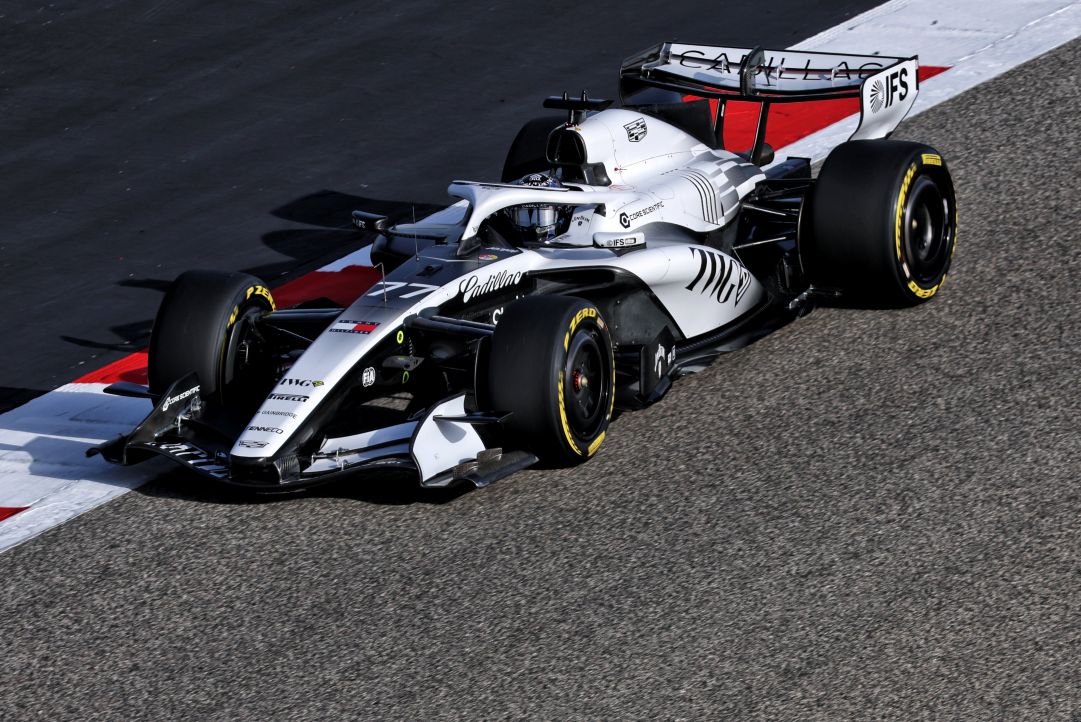
The season marks the official entry of two automotive giants onto the grid: Audi and Cadillac. The German automaker, taking over the operation of the Sauber, brings its experience in endurance and rally competitions to the pinnacle of motorsport. Já to Cadillac, representing the strength of
For these new teams, testing in Sakhir is even more crucial. Sem the historical data that veteran teams have, each lap completed is vital for understanding the behavior of the Pirelli tires and fuel consumption. The learning curve is steep, and the ability to react quickly to initial problems will define whether they start the year fighting in the midfield or closing down the grid.
The logistics for transporting all the equipment from Bahrein to Austrália immediately after the end of the tests is a complex operation. Teams have less than two weeks to dismantle their structures, perform extensive maintenance on the cars and send them to Melbourne. Qualquer serious damage sustained during the final days of testing could compromise participation or performance in the opening race, adding an extra layer of pressure on drivers and mechanics.
The scenario designed for 2026 is one of uncertainty and expectation. With all teams starting from a blank slate in terms of regulations, the hierarchy of forces established in recent years could be completely rewritten. The tests in Bahrein not only prepare the cars, but begin to reveal who interpreted the rules best and who will have to make up for the losses even before the red lights go out in Austrália.