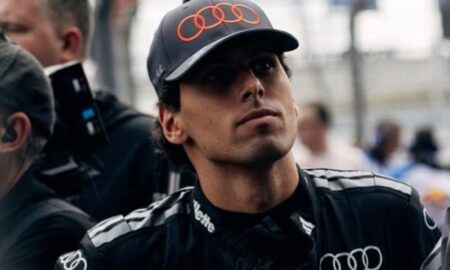
Bortoleto anticipates driving challenges and predicts more human errors in the new era of Formula 1


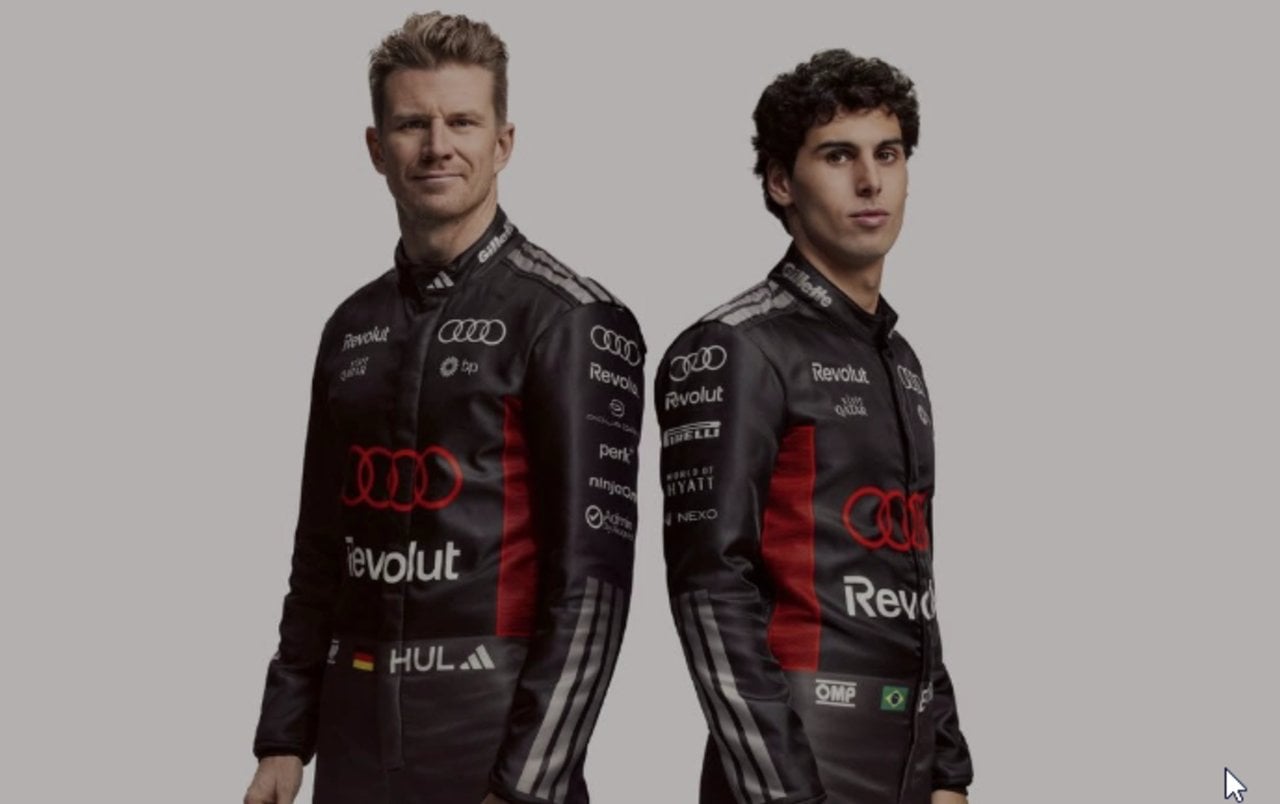
The global motorsport scene is preparing for one of the most radical transformations in its recent history, with the technical guidelines that will come into effect soon profoundly altering the dynamics of the tracks. Gabriel Bortoleto, a key player in the development of the Audi project for the maximum category, shared detailed impressions about the behavior of future single-seaters after intensive simulator sessions. Segundo the Brazilian driver, the stability that marked the current generation of cars will give way to much more skittish machines, requiring brutal adaptation on the part of competitors and increasing the probability of errors during the races.
The perception of Bortoleto points to a significant increase in driving complexity, driven mainly by new power unit configurations. The driver highlights that the power delivery will be much more aggressive, transforming corner exit and tire management into Herculean tasks, comparable to basic categories, but with exponentially greater power. Essa paradigm shift aims not only at sustainability, but also at increasing the spectacle, forcing drivers to deal with vehicles that “samba” more on the track and are less forgiving of slips.
Impact of torque and changes to the power unit
The restructuring of engines for the new regulatory cycle imposes a practically equal division of power between the internal combustion engine and the electrical system. Essa technical change results in a distinct mechanical behavior, where immediate torque becomes the protagonist. Diferente of the current models, which have a more linear and controlled acceleration curve, the new prototypes will require much more accurate sensitivity on the accelerator pedal to avoid loss of traction.
Behind the scenes at Hinwil and Neuburg, where Audi develops its equipment, virtual tests indicate that energy management will no longer be just an automatic adjustment but will become a tactical tool actively controlled by the pilot. The need to recharge the hybrid system during the ride, without wasting excessive time, will add an extra layer of mental processing for whoever is behind the wheel. Bortoleto emphasizes that this feature will make the car appear heavier in certain situations, despite the general weight reduction stipulated by the rules, creating a constant physical and cognitive challenge.
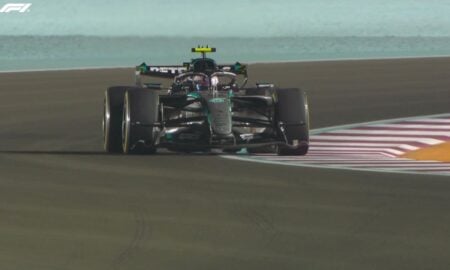
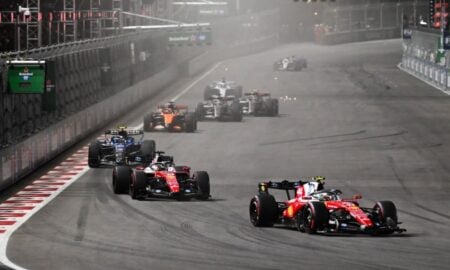
In addition to brute force, active aerodynamics will play a crucial role in performance, altering the car’s balance in real time. The Brazilian observes that the combination of less fixed aerodynamic pressure with a monstrous torque engine will make straight speeds very high, but braking and low-speed contours will become critical zones of instability. Isso should provide more overtaking opportunities, but it will also increase the risk of wheel locks and solitary spins, severely punishing a lack of precision.
Similarities with the Fórmula 2 and adaptation of pilots
One of the most interesting comparisons brought by the Brazilian driver is the similarity of the dynamic behavior of the new cars with the models used in the Fórmula 2, the elite access category. Embora the final speed and technology on board are incomparably superior in F1, the way the chassis reacts to mass transfer and the need to “fight” with the steering wheel are reminiscent of the experience in the junior categories. Para Bortoleto, this could level the playing field initially, favoring drivers with the ability to quickly adapt to cars with a looser rear end.
The prediction is that the “on rails” style of riding, very common in the current ground effect era, will have to be discarded. Competitors will need to rediscover skid control and brake modulation techniques that were less of a priority in recent years. The Brazilian emphasizes that, visually, fans will be able to see the cars moving much more, with constant steering wheel corrections being necessary not only in qualifying laps, but during all racing stints, which should increase the physical wear and tear on the athletes.
Reliability will be the first major obstacle
For the Audi, which fully assumes the operation of the Sauber, the challenge goes beyond driving: the reliability of the new powertrain is the absolute priority. Developing an Fórmula 1 engine from scratch is a monumental engineering task, and the German team is working around the clock to ensure that their cars are not only fast, but can complete Grande Prêmio distances without catastrophic failures. The complexity of the new electronic systems and the integration with the chassis are points of maximum attention.
- The energy recovery system will need to operate in extreme temperatures without compromising the integrity of the combustion engine.
- The calibration of the software that manages the delivery of electrical power and combustion must be perfect to avoid “holes” during acceleration.
- The resistance of the new transmission components, which will handle much higher torque, is being exhaustively tested on the test benches.
- Cooling the battery packs, which are now larger and more powerful, requires aerodynamic solutions that do not harm the car’s drag.
Bortoleto warns that, at the beginning of this new phase, we are likely to see an abandonment rate higher than the recent historical average. Teams that manage to find the balance between aggressive performance and component durability will have a decisive strategic advantage in the first stages of the championship. The technology race has already begun in the factories, and feedback from drivers in the simulator is the only compass available before the cars hit the real asphalt for pre-season.
Indexação keywords
Technical regulations motorsport, Audi F1 Team, Unidade hybrid power, Gabriel Bortoleto Sauber.
Riding Fórmula 1 new generation.
Sources of Pesquisa:
The information is based on recent reports on the development of the 2026 cars, statements by Gabriel Bortoleto to the international specialized press and technical analyzes on the FIA regulations published on portals such as Motorsport.com and Autosport.