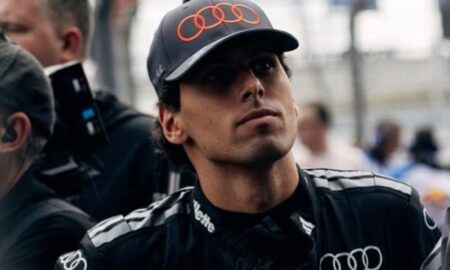
Bortoleto details adaptation to the Audi car and points out the starting system as a critical point in F1

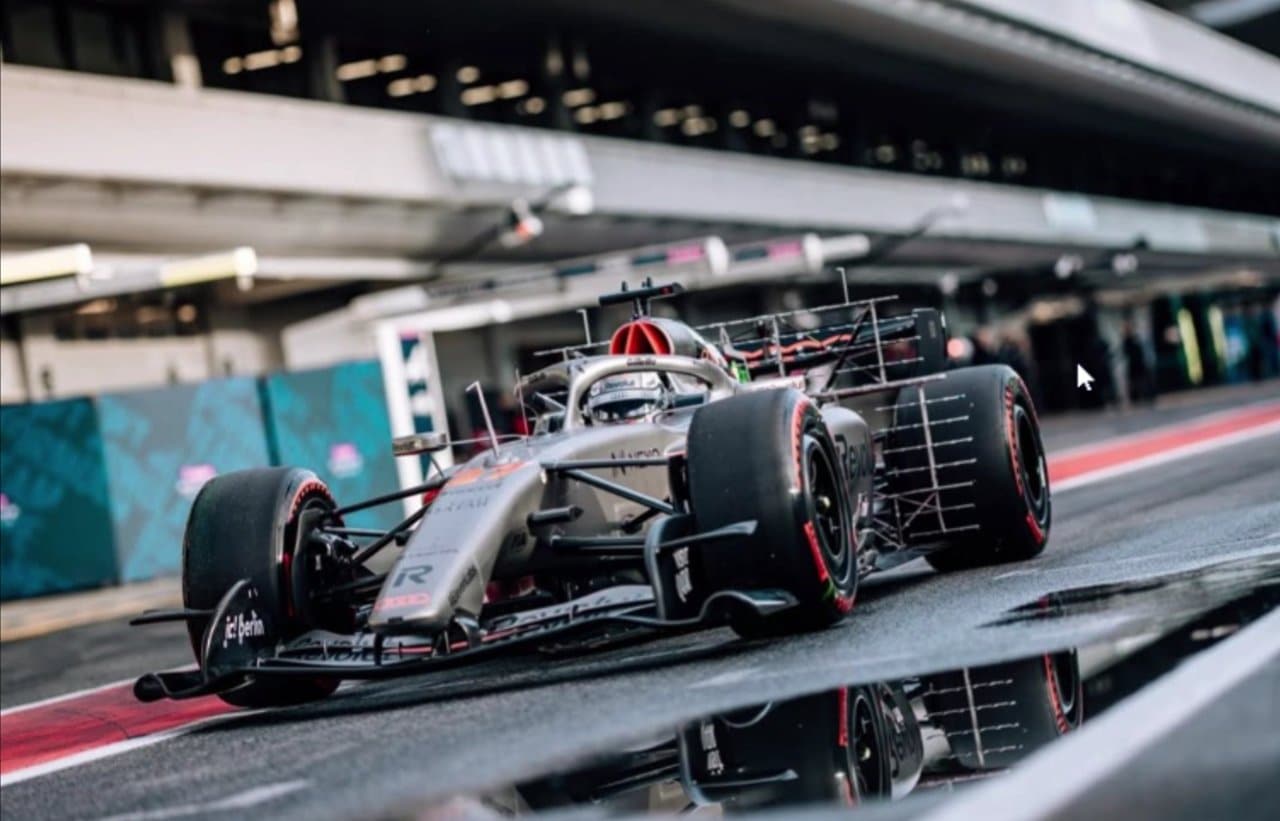
The pre-season tests carried out on the Sakhir circuit, at Bahrein, brought the first real impressions of the new era of the top category of motorsport. Gabriel Bortoleto, now a member of the Audi team, directly faced the radical changes imposed by the current technical regulations. During the sessions, it became clear that the transition to the new cars requires a much steeper learning curve than usual, especially when it comes to energy management.
The German team, which took over operations of the Sauber, used the track time to validate the fundamental systems of the new chassis. The complexity of the controls on the steering wheel and the response of the power unit were the main focuses of attention for the Brazilian driver, who described the initial experience as a process of discovery full of technical challenges.
トラック上でのテストが進行中#audif1 #バーレイン pic.twitter.com/Lay5l5pZTm
— アウディ F1 レーシング チーム (@audi_f1stars)2026 年 2 月 11 日
Difficulties with the new starting system and software
One of the most critical points raised by Bortoleto refers to the starting procedure and the electronic management of the car. Segundo the pilot, the current system creates significant “confusion” for those in the cockpit, requiring a series of simultaneous manual commands that were not necessary in previous generations. The dependence on software to manage power delivery made riding less intuitive in the first few kilometers.
The Brazilian explained that, unlike past models where acceleration was more linear, the 2026 car demands constant intervention from the driver on the steering wheel selectors. Isso occurs to ensure that the hybrid system and the combustion engine work in harmony, avoiding loss of traction or failures in torque delivery during critical moments, such as leaving the pits or turning off the red lights.
Among the main changes felt in driving, the following stand out:
– The need for constant fine adjustments to the brake balance during the lap;
– The behavior of active aerodynamics on high-speed straights and curves;
– The immediate, but complex, response of increasing the engine’s electrical capacity;
– The feeling of extra weight due to new batteries and safety systems.
Performance comparison and team adaptation
The perception of initial instability is not exclusive to Audi, but reflects the grid’s global challenge with the new FIA guidelines. Bortoleto noted that, although cars are more technologically advanced, the physical sensation of driving refers to a certain mechanical “brutality”, where human error can be more frequent due to the overload of tasks inside the cockpit. The engineering team is now working to refine the software and make the interface more user-friendly before the first race.
Continued development will be crucial in the coming weeks. Audi identified that the correlation between simulator data and the real track still needs adjustments, especially with regard to tire behavior with the new instantaneous torque. Para Bortoleto, the secret to a good debut season will be the ability to quickly adapt to these electronic variables that now dominate the car’s performance.