
Cupra Tavascan escapes surcharge in Europe after Volkswagen accepts minimum imported sales price By Luís Henrique Costa
4 min read
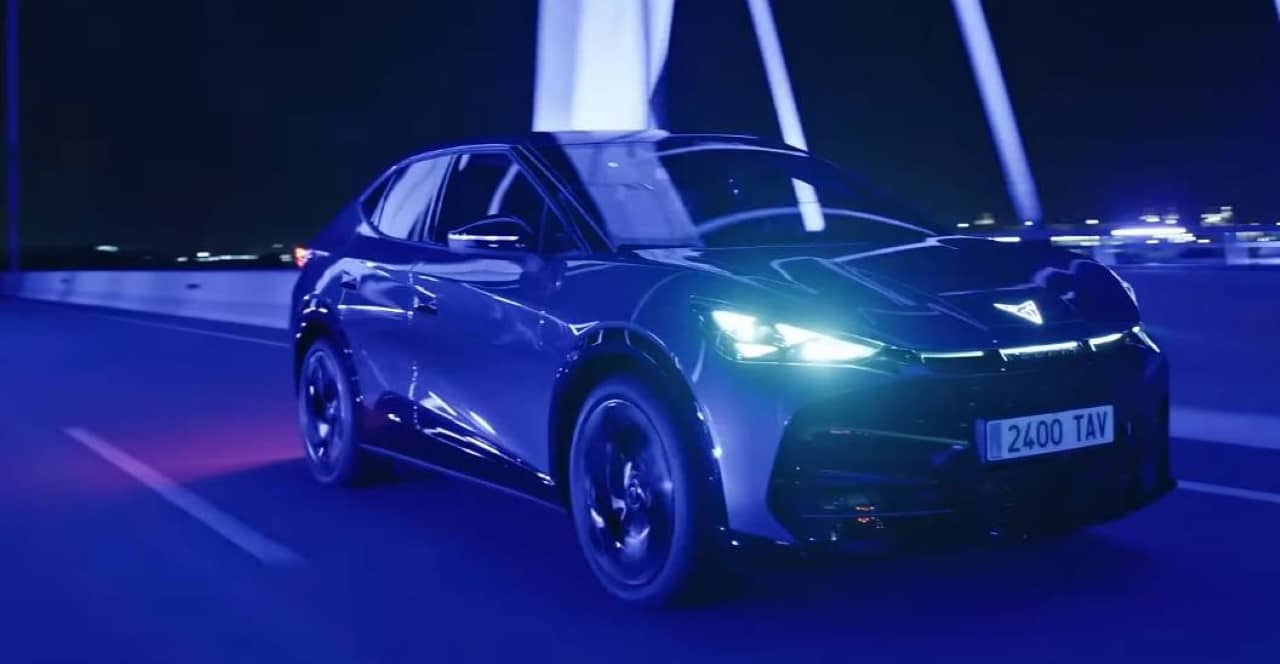 |
Comissão Europeia formalized a strategic agreement with Grupo Volkswagen that changes the import scenario for the Cupra Tavascan electric SUV, manufactured at China. The decision allows the vehicle to avoid the punitive anti-subsidy tariffs that have affected several automakers that produce in Chinese territory. With the validation of this commitment, the model will only be subject to the standard 10% rate applied to imported cars, eliminating additional surcharges that could compromise its competitiveness in the European market. The agreement is based on the acceptance, by the German automaker, of a minimum sales price for the vehicle in the economic bloc.
Price agreement and commercial strategy
The central mechanism that allowed this tariff exemption is known as price commitment. Para to avoid extra fees, which can reach 45.3% for other manufacturers who did not cooperate or who receive state subsidies considered unfair, Volkswagen agreed not to sell Tavascan below a stipulated value. The model, which is produced in the province of Anhui through a joint venture between Volkswagen and JAC Motors, will have its price monitored to ensure that it does not cause distortions in the local market.
Automotive sector analysts indicate that this strategic move aims to protect the profit margins of the Spanish brand Cupra, positioning the vehicle in a premium segment. The stipulation of a price floor, estimated between 50,000 and 65,000 euros depending on the version and options, is in line with the brand’s strategy of offering products with high added value. By accepting these conditions, Volkswagen is able to maintain the commercial viability of Tavascan, ensuring that it continues to be a fundamental part in the expansion of the group’s electric mobility, without suffering the devastating financial impact of the new commercial barriers imposed by
Technical specifications and model performance
The Cupra Tavascan is not only a milestone in commercial negotiations, but also an example of the shared engineering of the Grupo Volkswagen. Construído on the MEB modular platform, the same used by other vehicles in the ID family, the SUV stands out for its sporting performance. The model is equipped with a 77 kWh battery, capable of delivering a range of up to 568 kilometers in the WLTP cycle, meeting the demand of European consumers for vehicles capable of undertaking long journeys on a single charge.
The top-of-the-line version, called VZ, demonstrates the sporting DNA of the Cupra brand. Esta configuration uses two electric motors to provide all-wheel drive and a combined output of 340 horsepower. Acceleration from 0 to 100 km/h takes just 5.5 seconds, figures that place the Tavascan in direct competition with other electric performance SUVs. Além of power, recharging efficiency was also prioritized, with a system that supports up to 135 kW in direct current, allowing it to recover from 10% to 80% of the battery charge in approximately 30 minutes, optimizing the owners’ routine.
Interior design and embedded technology
The interior of the Tavascan reflects the aggressive and emotional approach that Cupra seeks to convey in its vehicles. The cabin is dominated by a central spine that divides the driver and passenger space, creating an environment focused on the driving experience. Technology is one of the highlights, with the infotainment system being managed through a 15-inch screen, the largest ever installed in a model from the brand to date. Este display centralizes the vehicle’s connectivity and adjustment functions, offering a modern and intuitive interface.
Comfort and sound experience also received special attention. The audio system was developed in partnership with Sennheiser, ensuring high sound fidelity for all occupants. The sports bucket seats, which are standard in some versions, reinforce the car’s dynamic proposal, offering adequate lateral support for more vigorous driving, without sacrificing comfort on urban journeys. In terms of safety and assistance, the vehicle incorporates level 2 semi-autonomous driving technologies, such as adaptive cruise control and lane keeping, essential for the demands of the current market.
Context of the trade war and competition
The exemption guaranteed by Tavascan occurs at a time of commercial tension between União Europeia and China. The anti-subsidy investigation conducted by Comissão Europeia resulted in hefty tariffs for major Chinese conglomerates such as BYD, SAIC and Geely, who face total tariffs of up to 45.3%. Volkswagen’s ability to negotiate an individual deal demonstrates the flexibility that European manufacturers with production in China can have, as long as they can prove they are not unfairly benefiting from state aid or accept strict pricing rules.
This scenario creates a temporary competitive advantage for Cupra. Enquanto direct competitors imported from China will have to absorb the costs of the tariffs or pass them on to consumers, making their products more expensive. Isso is vital to the brand’s growth ambitions. In 2025, Cupra projects a significant increase in its global sales, driven by the reception of its electric models. The success of the Tavascan is a central pillar for the company’s goal of becoming a 100% electric brand by 2030, consolidating its position in the global market and preventing geopolitical barriers from holding back its expansion.



