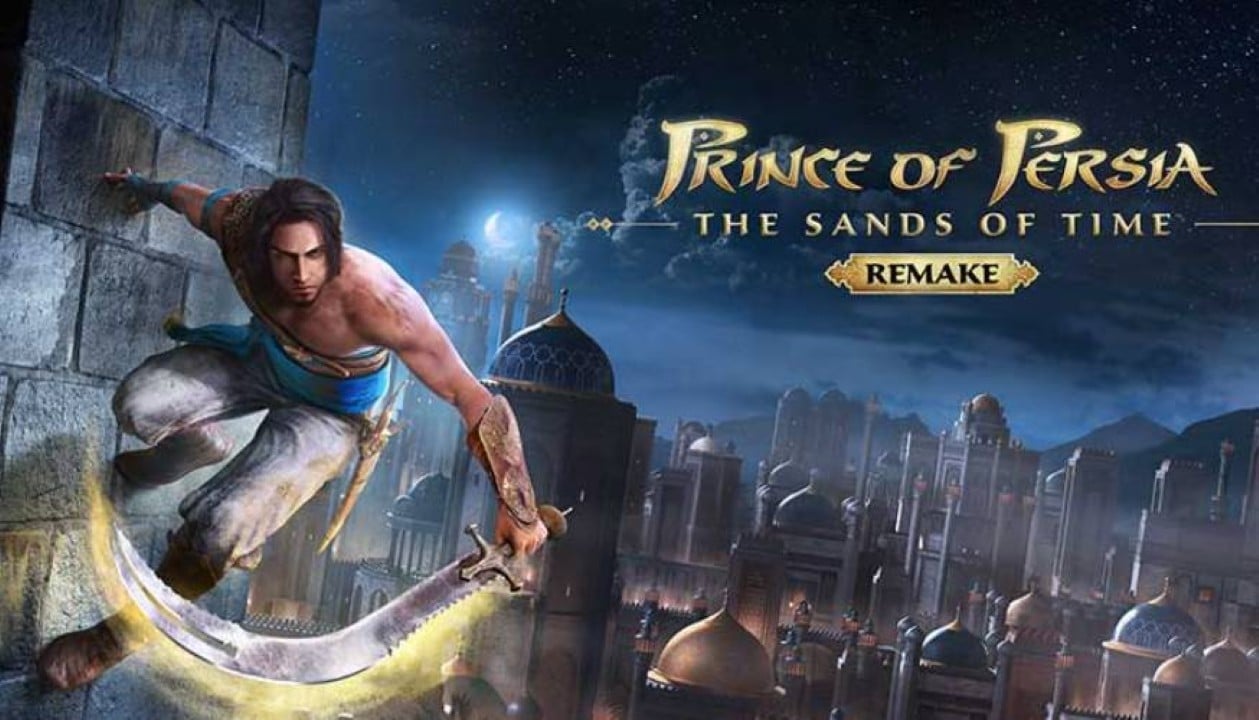
The confirmation of the definitive closure of the development of Prince of Persia: As Areias of Tempo marks the end of a troubled cycle for one of the most anticipated projects by fans of the franchise. Ubisoft made the decision official as part of a broad internal restructuring that began in January 2026, which aims to optimize resources and focus on intellectual properties with high financial returns. The title, which went through several studio changes and postponements since its original announcement, was discarded along with other unannounced projects, surprising the market.
Informações behind-the-scenes footage points out that the game was in an extremely advanced stage of production at the time of cancellation. Relatos indicate that the development team on
The release of visual materials by unofficial sources brought to light the renewed look that the game would have, generating intense debates on social media about the graphic quality and the artistic direction adopted. The contrast between the expectation of an imminent launch and the abrupt news of cancellation created a scenario of frustration for both the gaming community and the professionals involved in production.
Behind the scenes of restructuring and cuts
The decision to cancel the remake was not an isolated event, but rather a part of a larger strategic movement by Ubisoft to regain financial and operational stability. The company confirmed the cancellation of six games in total, in addition to postponing another seven titles to ensure they meet the quality standards required by the current market. Essas Drastic measures also include the closure of two studios and the reorganization of the remaining teams into five distinct creative groups.
The French giant’s focus now turns primarily to established franchises with a proven track record of massive sales, such as Assassin’s Creed, Far Cry and Rainbow Six. The “immersive worlds” division, where the Prince of Persia franchise was located alongside brands like Anno, suffered the biggest impacts from this portfolio review. The administration thus seeks to avoid additional investments in projects that, although loved by the public, might not justify the final marketing and distribution costs.
Analistas from the sector note that the movement reflects a period of volatility in the games industry, where large publishers are averse to risks. The reallocation of human and financial resources to service games and guaranteed sequels demonstrates an attempt to shield the company against market fluctuations, even if this comes at the cost of sacrificing almost finished titles.
Technical and visual details revealed
The dataminer known as j0nathan was responsible for bringing to the public the evidence that the remake was practically ready. Segundo the leaked information, the game was 99.99% completed, only requiring final adjustments. The images shared show a protagonist with a significantly changed design compared to the 2003 game and the initial 2020 trailer, featuring high-definition textures and more realistic facial modeling.
Entre the main elements highlighted in the leaked material are:
– Trajes redesigned with modern textures and superior detailing on Príncipe’s clothing.
– Animações motion capture-based facials for greater dramatic expressiveness.
– Manutenção of the classic acrobatic stance and parkour mechanics, but with updated fluidity.
– Preservação of iconic items such as the dagger of time and the headband, maintaining visual fidelity.
The initial reception of these images was mixed, with part of the community praising the technical evolution while others questioned the mischaracterization of the original artistic style. The dataminer himself, initially critical, revised his opinion after having access to higher quality images, suggesting that the final product would have a competent visual polish, which makes the cancellation even more controversial for series enthusiasts.
History of problematic development
The trajectory of the As Areias remake of Tempo is a clear example of the challenges of large-scale production. Anunciado in September 2020, the project was initially under the responsibility of the Ubisoft studios at Pune and Mumbai, at Índia. Após the negative reception of the first trailer, which was criticized for graphics considered dated, the company decided to postpone the release and transfer development to Ubisoft Montreal in 2022, the studio responsible for the original trilogy.
Essa change of leadership aimed to leverage the expertise of the Canadian team to raise the level of quality and incorporate newer technologies. Durante the event Ubisoft Forward, the company even stipulated a launch window for 2026, indicating that the project had gotten on track. Atualizações periodicals suggested that work on remaking the classic was progressing well, with a focus on modernizing the temporal manipulation mechanics that established the original game.
However, the sudden change of direction in January 2026 wiped out years of work. The Montreal team, which had absorbed the lessons of the Indian splits and remade much of the game, saw its efforts shelved. The resources and talents previously dedicated to Príncipe from Pérsia were reallocated to accelerate the production of the house’s other priority titles.
Repercussion and legacy of the franchise
The impact of the cancellation reverberated beyond the financial reports, hitting the production team emotionally. The actress who lent her voice and performance to the project publicly expressed her frustration upon discovering the cancellation online, lamenting the loss of years of dedication. Esse type of situation exposes the fragility of careers in AAA game development, where long projects can be suddenly discarded.
Para fans, the legacy of the original 2003 game remains, which sold more than 14 million copies and redefined the action-adventure genre. Ubisoft reiterated that the Prince of Persia franchise continues to be important to the company, citing the recent success of “The Lost Crown” as proof of the brand’s vitality. Contudo, the cancellation of As Areias’s remake of Tempo leaves a gaping hole as to when and how the series will return to the big-budget 3D format.
Preservation of the classic now depends on digital initiatives and backwards compatibility, as the industry watches closely how Ubisoft will manage its future catalog. The episode serves as a stark reminder that, in today’s corporate gaming landscape, not even nostalgia or near-completed development guarantee a product launch.