Max Verstappen criticizes 2026 regulations and refuses simulator tests due to lack of fun

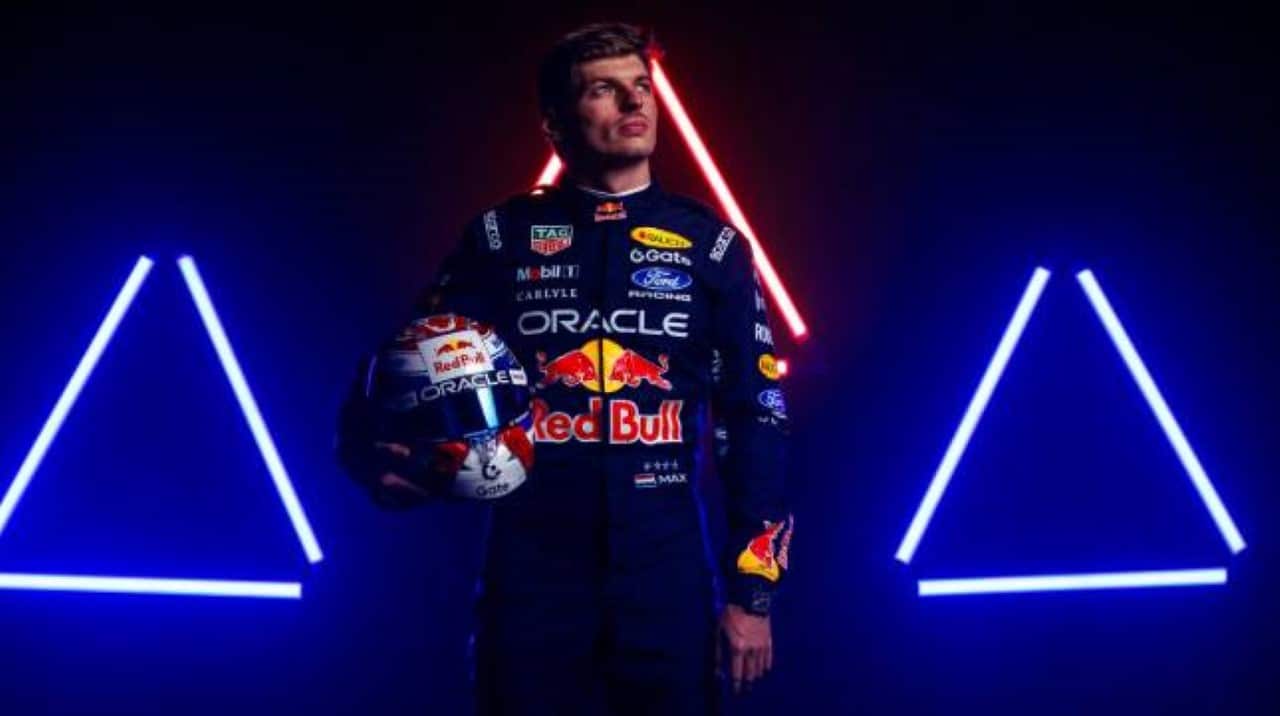
Max Verstappen expressed strong dissatisfaction with the new Fórmula 1 rules for 2026 during pre-season testing at Bahrein. The four-time world champion revealed that, last year, he asked Red Bull to stop driving the 2026 concept car in the simulator. The negative experience led him to conclude that the changes do not contribute to his motivation to remain in the category in the long term.
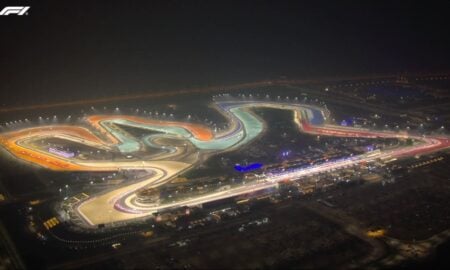
The statements took place at press conferences at Circuito Internacional of Bahrein, where teams are carrying out preparations for the 2026 season. Verstappen highlighted that the car’s behavior in the simulator seemed inferior to that of current models. Ele emphasized that excessive focus on energy management reduces riding pleasure.
The Dutch driver, contracted with Red Bull until 2028, reinforced that his continuity depends mainly on competitiveness and fun when driving. The new regulations, which increase electrical power and change aerodynamics, have generated intense debates between drivers and teams.

Controversial statements in Bahrain
Verstappen detailed his experience with the Red Bull simulator during the initial development of the project for 2026. Ele said that, at a certain point in the previous year, he informed the team of his decision not to continue the sessions. The driving sensation, according to him, was significantly worse compared to cars from recent generations.
The four-time champion explained that the concept car required constant energy management, which limited aggressiveness on the track. Essa characteristic, for Verstappen, distances the Fórmula 1 from its traditional pure racing essence. Ele compared the experience to something close to categories with greater electrical dependence, but without the same competitive appeal.
Main changes to the 2026 regulation
The new Fórmula 1 rules for 2026 introduce profound changes to the power units and aerodynamics of the cars. The power division becomes 50% electrical and 50% thermal, with a significant increase in the energy recovered during braking. The engines maintain the V6 turbo format, but incorporate sustainable fuels throughout.
Other modifications include reducing the weight of the cars by around 30 kilos and introducing active aerodynamics in the front and rear wings. The system replaces traditional DRS, allowing automatic adjustments to optimize downforce or reduce drag. Essas changes aim for greater energy efficiency and closer races.
- Increase of 350 kW in deployable electrical power;
- Elimination of the MGU-H to simplify the engines;
- Introduction of manual overtaking mode for overtaking;
- Narrower tires at the front to reduce resistance.
Reactions from other riders
McLaren’s Lando Norris responded to Verstappen’s criticism with a light tone during the same tests on the Bahrein. The Brit said the cars’ new features offer interesting challenges and the potential for close racing. Ele joked that if Verstappen doesn’t appreciate the changes, he might consider early retirement.
Other competitors had divided opinions about the regulations. Alguns highlight that strategic energy management adds a tactical layer to the tests. Já more experienced riders share similar concerns to Verstappen regarding the reduction of pure riding in high-speed sections.
George Russell, from Mercedes, mentioned that teams are still tweaking initial concepts in simulators. Ele believes that future optimizations can better balance performance between electrical and thermal power. The diversity of views reflects the transition period the category is going through.
Red Bull’s position in development
Red Bull is working intensively on its own power unit in partnership with Ford for 2026. The team faces the challenge of competing with established manufacturers such as Mercedes and Ferrari in this new scenario. Executivos from the team state that initial progress on the engine itself follows the planned schedule.
Helmut Marko, former consultant at Red Bull, recently emphasized the importance of delivering competitive power units. Ele indicated that the performance of the new engine will be a decisive factor in keeping Verstappen motivated in the team. The organization invests significant resources in the new powertrain division in Milton Keynes.
Context of new teams in 2026
The 2026 season will mark the entry of new manufacturers into the Fórmula 1 grid. Audi takes full control of the Sauber, bringing expertise in hybrid engines. Cadillac, through a partnership with Andretti, also plans to debut with its own power unit project.
These arrivals increase technical competition in the category. Traditional Equipes like Red Bull need to accelerate developments to maintain prominent positions. The regulation attracts foreign investment by promoting sustainable technologies applicable to the automotive industry.
The expansion of the grid to eleven teams changes market dynamics and revenue distribution. Novas entries require rapid adaptation to budget ceiling rules and joint development of chassis and engines. Esse scenario expands strategic options for drivers in the transfer market.
Impact on racing strategies
The increase in electrical dependence fundamentally changes strategies during races from 2026 onwards. Pilotos will need to manage energy deployment in crucial moments of overtaking or defense. Esse element introduces additional variables into pit decisions and race pace.
Teams simulate extensive scenarios to optimize energy recovery during braking and cornering. Manual overtaking mode allows temporary boost to facilitate maneuvers. Especialistas predict that races won or lost will increasingly depend on precision in this management.
Verstappen argues that such an approach reduces the importance of pure high-speed driving skill. Ele argues that Fórmula 1 should prioritize characteristics that highlight differences between competitors. Suas criticism opens debate about the balance between technological innovation and sporting spectacle.
Final team preparations
The pre-season sessions at Bahrein serve as the last extensive testing opportunity before the official start of the season. Equipes collect valuable reliability data on new hybrid components. The Red Bull focused efforts on validating active aerodynamic concepts.
Mercedes and Ferrari demonstrated consistent pace on long runs during track days. McLaren also presented developments in full race simulations. Esses initial indicators suggest a more balanced grid with the new rules implemented.
Drivers accumulate essential mileage to adapt to the cars’ different behaviors. Engenheiros adjust engine maps and power strategies in real time. The data obtained guides final refinements before the first stage of the championship.
Perspectives for the 2026 championship
The combination of new technical rules and manufacturer input promises a highly competitive season. Red Bull seeks to maintain recent dominance despite the transition to its own engine. Verstappen remains a reference on the grid for its consistency in classifications and races.
Other teams invest heavily to explore opportunities created by the reset regulations. The balance of forces can vary significantly throughout the year as developments evolve. Fatores how reliability of new power units will influence positions in the championship.
The Fórmula 1 continues to appeal to a global audience with promises of more unpredictable races. Mudanças sustainable products align the category with contemporary environmental demands. The success of the transition will depend on the teams’ ability to interpret and optimize new technical possibilities.