
New game in the Mario Tennis franchise debuts on Switch 2 with an unprecedented rackets system and record-breaking cast By Carolina Costa
4 min read
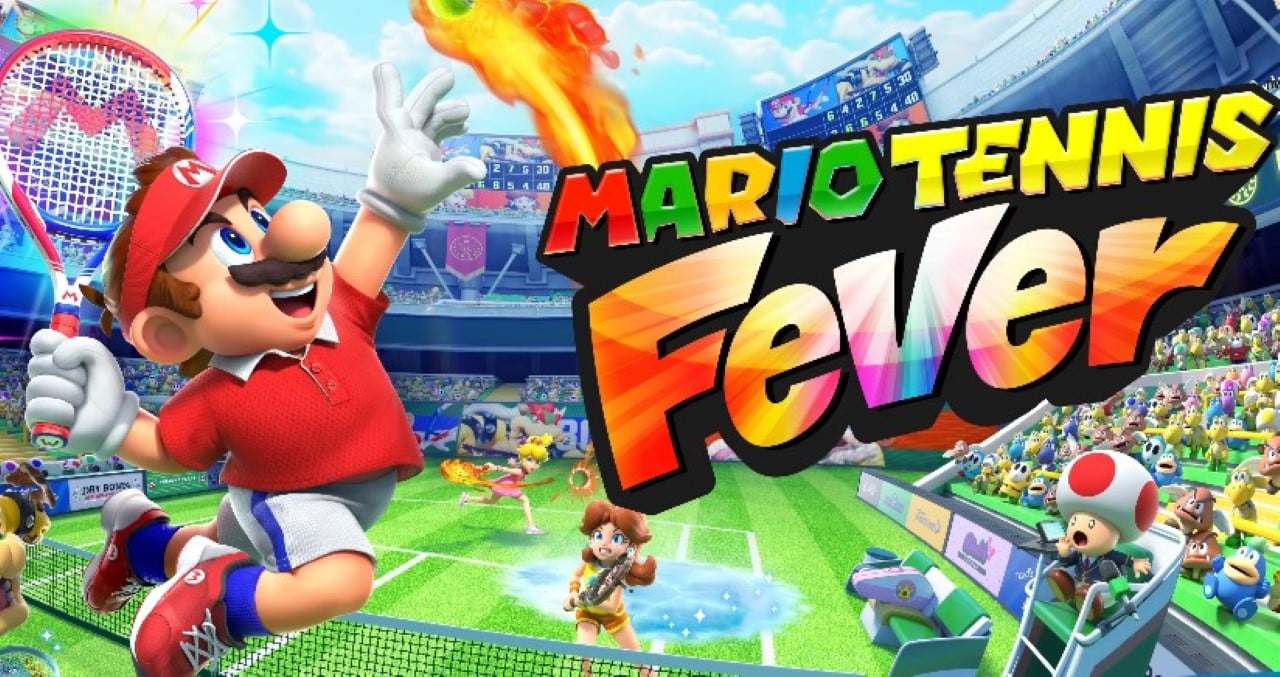 |
Nintendo confirmed the official launch of Mario Tennis Fever for February 12, 2026, marking the franchise’s debut on the Switch 2 console. The proposal aims to balance traditional arcade gameplay with new layers of strategy.
The game features the largest cast ever seen in the series’ history, totaling 38 playable characters at launch. Além of iconic figures such as Mario, Peach and Bowser, the title includes variations of costumes and secondary characters that had never taken to the court before. Essa expansion gives players a wide range of speed, strength, and technique stats to explore.
Industry experts point out that the stability of online mode is one of the highlights of production. The new console’s network infrastructure allows for fluid gameplay, reducing the latency that affected previous versions in times of unstable connection. The focus on competitive multiplayer seems to be the priority of this edition.
Initial reception highlights the visual quality and control response, but raises reservations about the single-player content. Enquanto group disputes shine, the solo campaign is described as functional but brief, serving more as an extended tutorial than a deep adventure.
Dynamics of fever rackets and gameplay
The great innovation of Mario Tennis Fever lies in the “Fever Rackets” system. Diferente from past titles that focused only on the characters’ “Power Shots”, now the choice of equipment defines the special abilities available during the game. Existem 30 racket options, each providing a distinct tactical advantage when the player’s energy bar is full.
The effects vary drastically between the available models. Algumas rackets allow you to create fire barriers on the opponent’s court, making movement difficult, while others scatter banana peels to cause slips. Há also defensive options that generate temporary clones of the tennis player to cover larger areas of the court or equipment that applies curve effects to the ball for a limited time.
This mechanic forces competitors to adapt their strategies constantly, reading the opponent’s equipment even before serving. A well-executed strike with the right racket can block an opponent’s vision with paint or alter the physics of the ball, intensifying the mental games and unpredictability of each point played.
Multiplayer structure and game modes
The multiplayer component was designed to support up to four simultaneous players, whether on a local network or online. Integration with Switch 2’s hardware allows matches to maintain a stable frame rate even with multiple particle visual effects occurring at the same time on screen. The precision of the controls makes it easy to execute lobs, slices and topspins.
To ensure the longevity of the title, the developer included several options for customizing rules and dispute formats. Players can organize everything from quick matches to more elaborate championships. The mode’s main features include:
- Support for custom tournaments with adjustable elimination brackets;
- Option to use motion controls for greater casual immersion;
- Dynamic comments from a “Talking Flower” during competitions;
- Quick matches optimized for short gaming sessions.
Adventure mode challenges and solo content
The single player mode returns with a campaign structure, where the player progresses through themed courts completing sequential challenges. Embora offers a logical progression, the duration of the adventure is considered short by specialized critics. Missions often boil down to variations on standard matches, without a complex narrative or great depth of exploration.
A recurring point of criticism is the absence of a random rackets selection system in this mode, which reduces forced experimentation. Repetition of objectives can limit the replay factor for those who prefer to play alone, although there are additional modes such as “Trial Towers”, which impose specific victory conditions and progressive difficulty to test the user’s skills.
Technical and visual aspects of the new hardware
Graphically, Mario Tennis Fever utilizes the processing power of Switch 2 to deliver detailed textures and fluid animations. The effects of “Fever Shots” are visually striking, filling the court with lights and environmental elements without compromising the performance. The themed courts have interactive elements, such as moving platforms, which physically interfere with the ball’s trajectory.
The soundtrack follows the frenetic pace of the matches, mixing remixes of classic Nintendo themes with high-energy original compositions. Sound design plays a crucial role, providing clear auditory feedback on the power of strikes and the activation of special abilities, helping players react quickly to opponent attacks.
Perspectives and comparison with predecessors
Compared to Mario Tennis Aces, the new title hits the market with a more robust content package from day one, avoiding the “incomplete game” feeling that marked the previous release. Camelot seems to have rescued the chaotic and fun essence of GameCube era games, focusing on the immediate fun of couch multiplayer.
The community awaits announcements regarding post-launch support. The expectation is that future updates may bring new characters and courts via DLC, as well as balance corrections. One of the most frequent requests from early players is the implementation of an option to randomize rackets, which would increase variety and chaos in casual matches.



