
Volkswagen accepts minimum price to free Cupra Tavascan from surcharge on imports from China into Europe By Luís Henrique Costa
3 min read
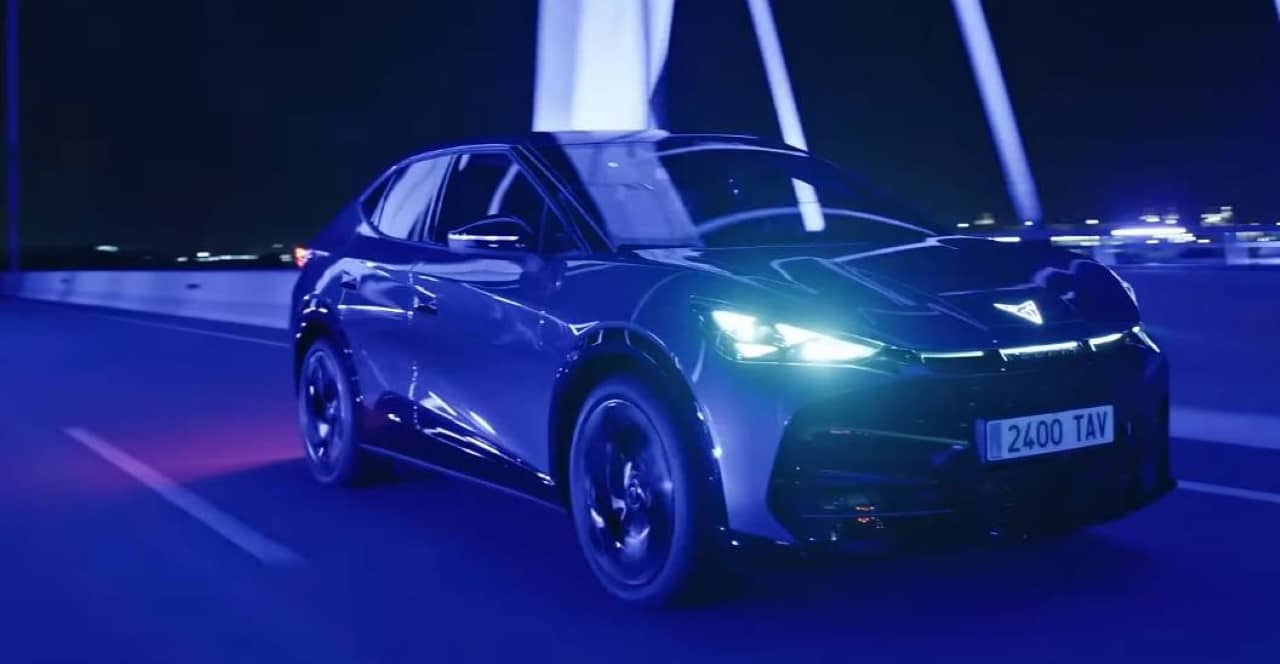 |
Volkswagen secured a strategic victory for its sports subsidiary by closing a decisive deal with Comissão Europeia. The Cupra Tavascan electric SUV, produced in Chinese territory, will be exempt from the new compensatory tariffs that affect a large part of vehicles imported from Ásia, maintaining only the standard import tax of 10% in force in the economic bloc.
To obtain this exception, the German group agreed to fulfill a minimum sales price commitment in European retail. Essa measure aims to ensure that the vehicle does not reach the market with prices considered unfair or subsidized, a practice that motivated the EU investigation against Chinese manufacturers. As a result, the model avoids surcharges that can reach an additional 35.3% for other automakers, preserving its competitiveness in an increasingly competitive segment.
Impact on the market and competition
The agreement stipulates that the Tavascan will be sold within an estimated price range of between 50,000 and 65,000 euros. By accepting these conditions, Volkswagen shields the model from sanctions applied to direct competitors manufactured in China, such as vehicles from BYD, Geely and SAIC, which face total tariffs of up to 45.3% when adding the standard rate with the new anti-subsidy penalties.
This maneuver allows Cupra to maintain its premium positioning strategy without suffering the financial impact that would make sales of the SUV at Europa unfeasible. The Comissão Europeia decision recognizes that Volkswagen, when operating with joint ventures in China, can demonstrate that it does not benefit from the same aggressive state subsidies that distort the market, as long as it respects the established price floor.
Performance and technical specifications
Built on the Grupo Volkswagen MEB platform, the Tavascan shares the architecture with other models in the ID family, but bets on a more aggressive visual identity and sports performance. The model is equipped with a 77 kWh battery, capable of delivering a range of up to 568 kilometers in the WLTP cycle, meeting the demand of European consumers for vehicles capable of undertaking long journeys on a single charge.
The top-of-the-line version, called VZ, reinforces the Spanish brand’s sporting DNA. With two electric motors that provide all-wheel drive, the SUV delivers a combined power of 340 horsepower. Essa configuration allows acceleration from 0 to 100 km/h in just 5.5 seconds, placing the model in direct competition with other high-performance electric SUVs. Além In addition, the recharge system allows you to recover from 10% to 80% of the battery in around 30 minutes in fast stations.
Technology and the future of the brand
The vehicle’s interior reflects the driver-focused approach, with a central “backbone” that separates the driver from the passenger and defines the cabin layout. Technology is a central point, highlighting a 15-inch infotainment screen, the largest ever used in a model from the brand, as well as a high-fidelity sound system developed in partnership with Sennheiser.
The tariff exemption is fundamental to the plans of Cupra, which plans to become a 100% electric brand by 2030. The commercial success of the



